Septic Inspection in Halesite, NY

Real Septic Inspections That Actually Protect You

No surprises, no overselling – just thorough septic system inspections that give you the facts you need to make smart decisions.
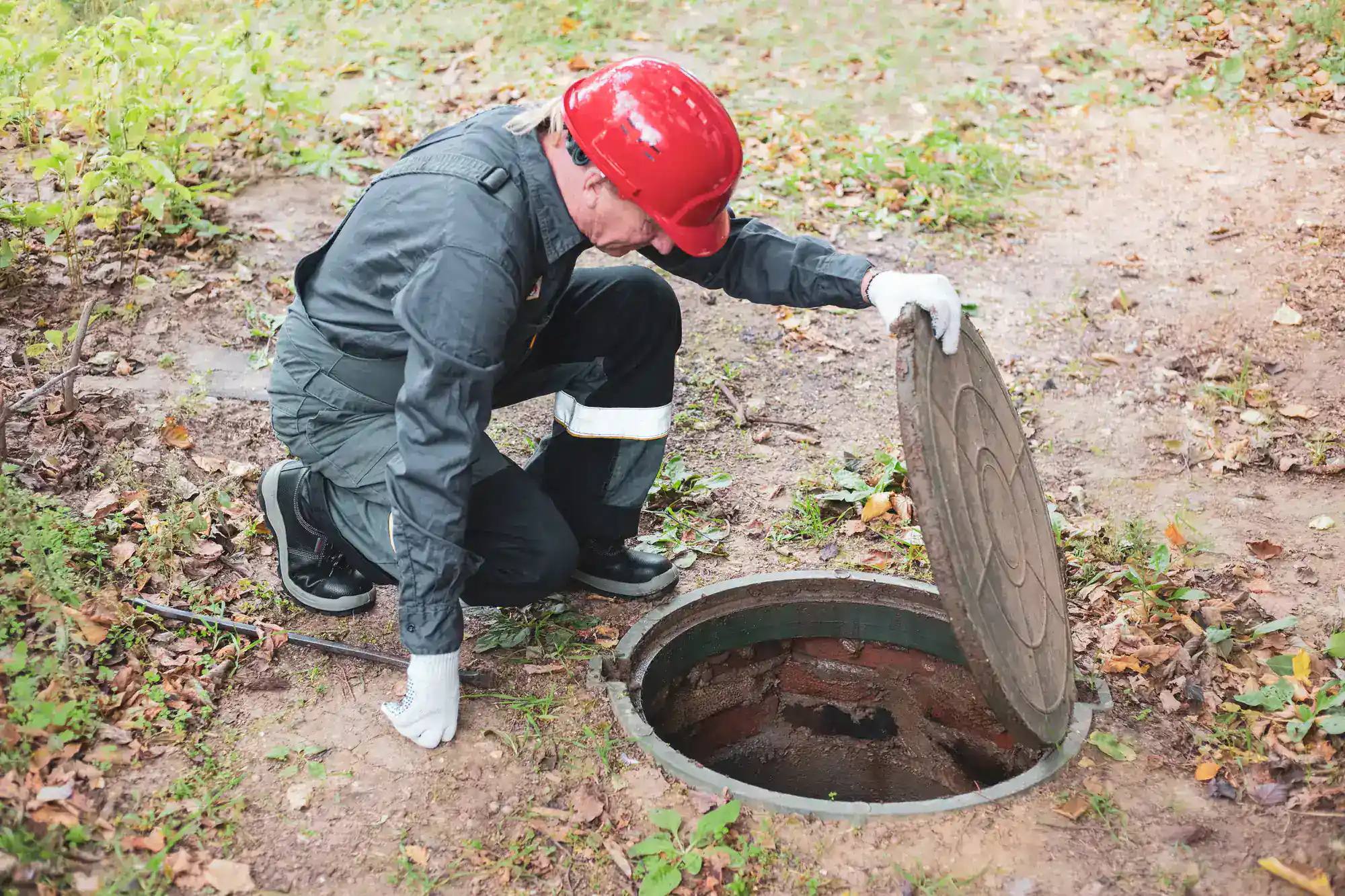
A worker in coveralls, gloves, and a red hard hat kneels outdoors, lifting the lid of a manhole to inspect the opening surrounded by grass and scattered leaves.

Hear From Our Clients

A worker wearing a red hard hat, gray overalls, and white gloves bends down to look inside an open manhole surrounded by grass, with the manhole cover lying nearby.

Certified Septic Inspector Halesite

Know What You're Buying Before You Buy It
You’re not just getting a piece of paper. You’re getting the real story about what’s underground – what works, what doesn’t, and what might need attention down the road. A proper septic inspection catches problems while they’re still manageable. A properly conducted septic inspection ensures that the system is working properly at the time of inspection and reduces the chances of a dangerous and/or costly surprise to the new homeowner. That’s the difference between a $500 repair and a $15,000 replacement. When you know exactly what you’re dealing with, you can negotiate from a position of strength. No more wondering if that “great deal” on the house comes with a septic system that’s about to fail.

Suffolk County Septic Compliance

25+ Years of Honest Septic Work
AAA Dependable Cesspool has been serving Suffolk County families since 1998. Three generations of hands-on septic work, and we’ve built our reputation on telling you the truth – even when it’s not what you want to hear. Approximately 75% of properties in Suffolk County utilize private septic systems for wastewater treatment. That means most of your neighbors deal with the same septic challenges you do. We understand Suffolk County’s soil conditions, regulations, and the specific issues that come up in Halesite properties. We’re the local company that shows up when we say we will, explains what we found in plain English, and never tries to sell you services you don’t need.
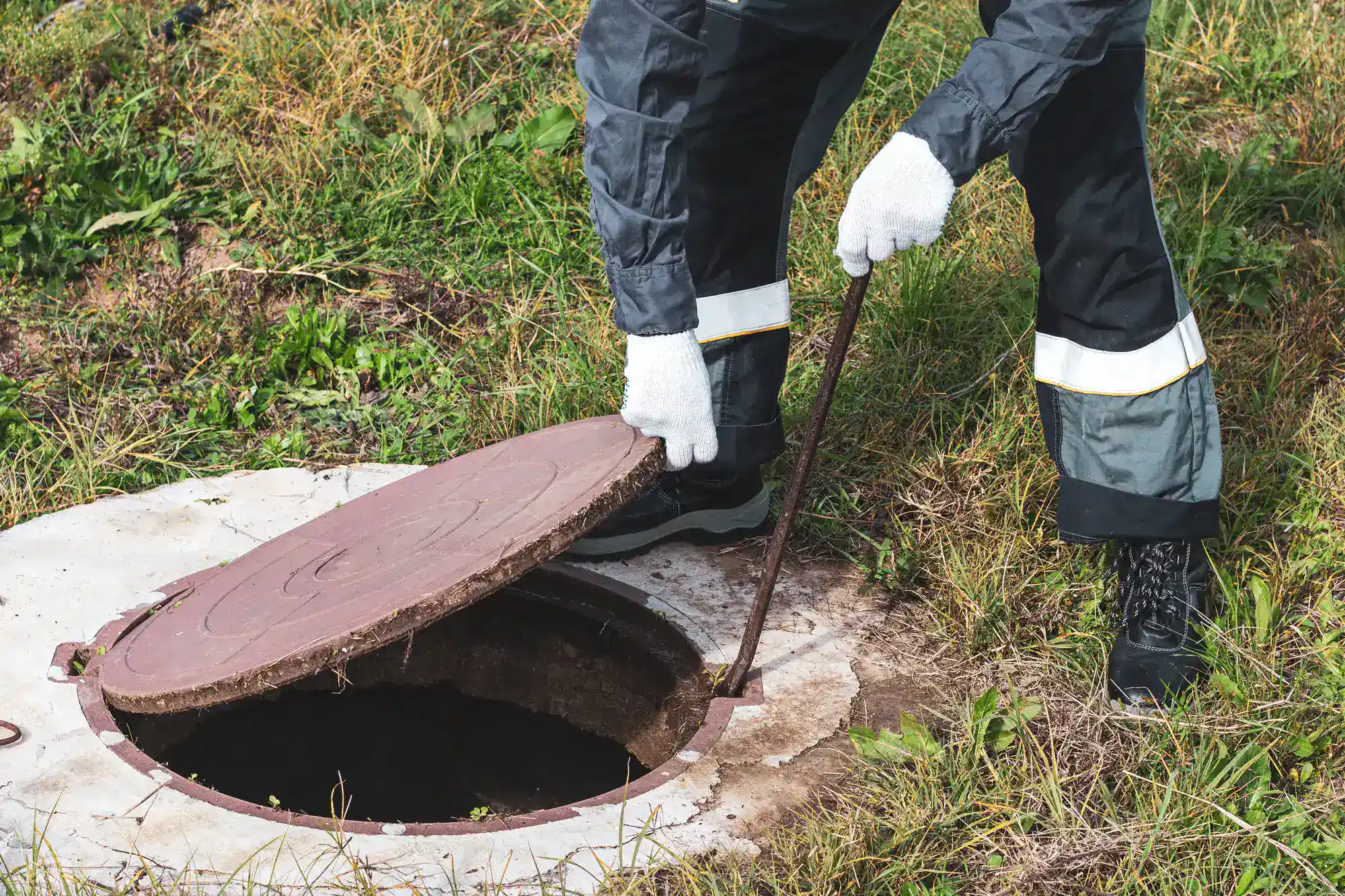
A person in protective work clothes and white gloves uses a tool to lift a round metal manhole cover, exposing an opening in the ground surrounded by grass.

Pre-Purchase Septic Inspection Process

Here's Exactly What Happens During Your Inspection
First, we locate your septic system components – tank, distribution box, and leach field. Many homeowners don’t even know where these are, but we find them without tearing up your yard. Next comes the visual inspection. We check tank integrity, look for signs of backup or overflow, and examine the leach field for soggy areas or odors. We provide a visual system inspection, check septic tank integrity, do a visual/auditory water flow inspection, a walking inspection of leach fields, septic field saturation tests and all digging as needed for our Basic Inspections. Finally, you get a clear report that explains what we found. No technical jargon – just straight talk about what’s working, what’s not, and what you should watch for in the future. If problems exist, we’ll tell you what needs fixing and what can wait.
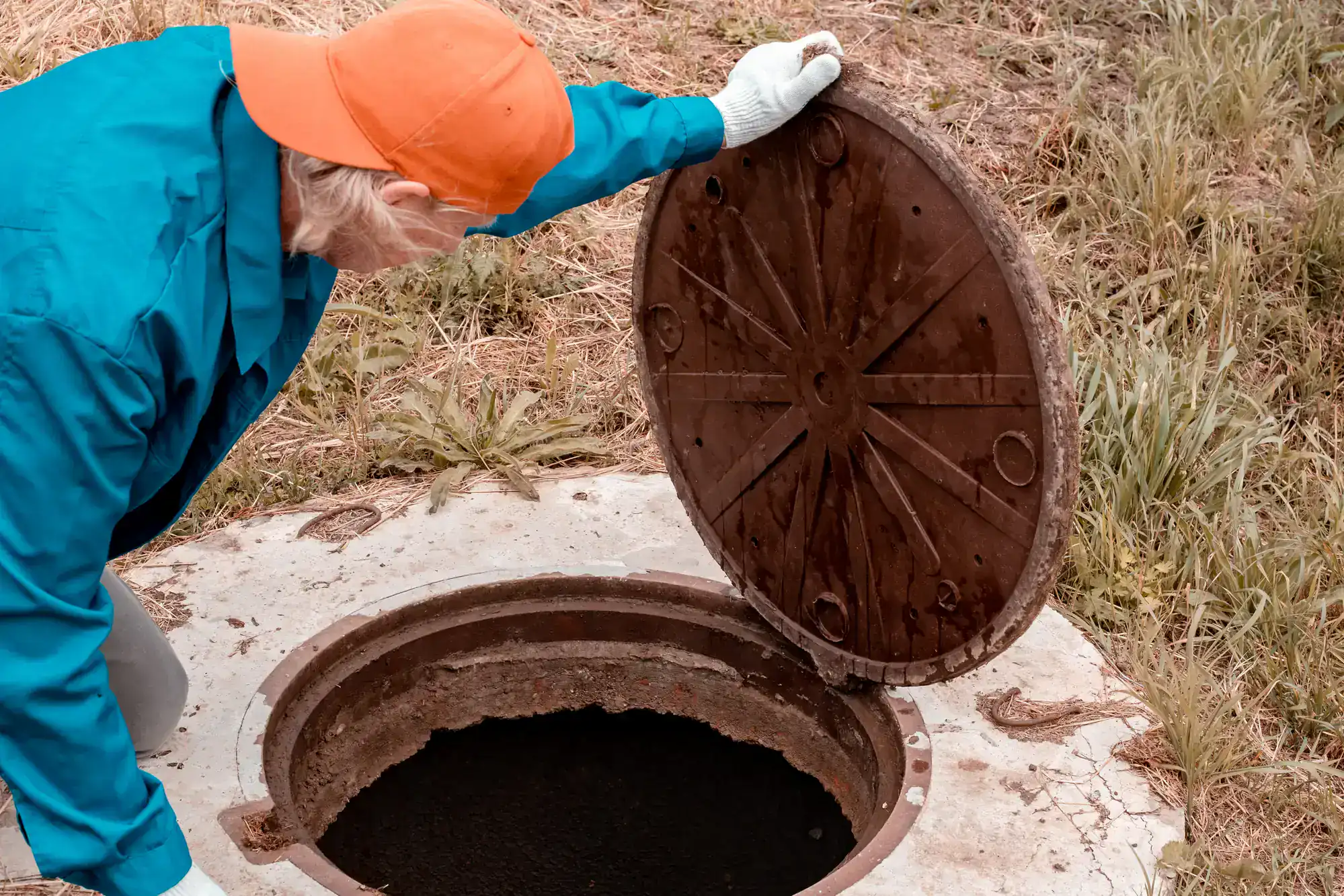
An older person in a blue jacket and orange cap lifts the heavy lid of a round manhole outdoors, revealing a dark opening surrounded by grass and concrete.

Explore More Services

About AAA Dependable Cesspool

Routine Septic Maintenance Inspection

What's Included in Your Septic Inspection
Your inspection covers everything that matters for Suffolk County compliance and your peace of mind. We check septic tank condition, measure sludge and scum levels, and inspect all accessible components. Homeowners and businesses must have their systems inspected every three years and must submit a report to the county. This helps to ensure that the systems are functioning properly and are not contributing to nitrogen pollution. We know these requirements inside and out. For Halesite properties, we pay special attention to soil conditions and groundwater levels that affect system performance. Halesite is a hamlet and census-designated place (CDP) in the Town of Huntington in Suffolk County, on the North Shore of Long Island, in New York, United States. The population was 2,498 at the 2010 census. The North Shore location means specific soil and water table considerations that impact septic system function. You’ll receive documentation that satisfies lenders, insurance companies, and Suffolk County requirements. More importantly, you’ll understand exactly what’s happening with your septic system.
A person wearing a glove lifts the lid of a green septic tank outdoors, revealing the dark interior. The tank is surrounded by soil and scattered leaves.

How often do I need a septic inspection in Suffolk County?

You should have your septic system inspected at least every three years by a professional, and have your tank pumped as necessary (generally every three to five years). Suffolk County has specific requirements that may be more frequent depending on your system type and location. For routine maintenance, every three years keeps you compliant and catches problems early. If you’re buying or selling a property, you’ll need an inspection regardless of when the last one was done. A licensed septic inspector can identify potential problems that may not be apparent during a general home inspection. The key is not waiting until you have problems. Regular inspections cost a few hundred dollars – system replacements cost tens of thousands.
It depends on what we find and how serious it is. Minor issues like a cracked baffle or worn gasket can usually be repaired quickly and inexpensively. More serious problems like a failing leach field require bigger decisions. If problems are found, buyers may be able to negotiate for repairs or credits before closing. That’s why getting an inspection early in the process matters – it gives you options instead of emergencies. We’ll explain exactly what needs immediate attention versus what you can monitor. We won’t try to scare you into unnecessary work, but we also won’t sugarcoat serious problems that need addressing.
Yes, regular inspections are smart maintenance regardless of whether you’re selling. A key reason to maintain your septic system is to save money! Failing septic systems are expensive to repair or replace, and poor maintenance is often the culprit. Think of it like getting your car inspected – you catch small problems before they become big, expensive ones. A septic system replacement in Suffolk County can cost $20,000 or more. A routine inspection costs under $500. Plus, Suffolk County regulations continue to evolve. Regular inspections keep you informed about compliance requirements and help you plan for any needed upgrades before they become mandatory.
Most residential septic inspections take 1-2 hours, depending on system complexity and accessibility. If your tank covers are buried or the system components are hard to locate, it might take longer. The buyer should make certain the evaluation was done when the system was being used normally for the previous thirty to sixty days. Inspections during the winter can be more difficult. We schedule inspections when conditions allow for the most accurate assessment. We’ll explain what we’re doing as we work, so you understand your system better. By the time we’re finished, you’ll know more about your septic system than most homeowners ever learn.
The most important thing is normal use for at least 30 days before the inspection. Don’t pump your tank right before an inspection – inspectors need to see how the system handles typical waste levels. Make sure septic tank covers are accessible. If you know where they are, clear away any debris or landscaping. If you don’t know where your system is located, don’t worry – we can locate it, but it might add time to the inspection. Have any previous inspection reports, pumping records, or system documentation ready. This helps us understand your system’s history and identify any patterns or recurring issues.
An inspection shows current condition, but predicting exact lifespan is tricky. With proper care, a septic tank can last 25 to 40 years. However, system life depends on usage, maintenance history, soil conditions, and original installation quality. What an inspection can tell you is whether your system is functioning normally now, what maintenance it needs, and what warning signs to watch for. If major components are showing wear, we can give you a realistic timeframe for planning replacements. The goal isn’t to predict the future perfectly – it’s to give you enough information to make smart decisions about maintenance, repairs, and budgeting for eventual replacement.

Other Services we provide in Halesite