Hear From Our Clients

If you’re buying a home in Southampton with a septic system, your mortgage lender isn’t approving anything without proof the system works. That’s where a real estate septic inspection comes in.
You need more than a quick look. You need camera footage showing the actual condition inside the tank. You need measurements that pinpoint problems. You need documentation that satisfies both the health department and your lender’s underwriter.
A certified septic inspector walks the property, checks tank levels, inspects the drain field, and runs a camera through the system to catch what surface checks miss. You get a full report with photos, measurements, and a compliance statement. If there’s a problem, you know about it before closing. If the system’s solid, you move forward with confidence.
Southampton’s soil doesn’t forgive shortcuts. Systems here deal with high water tables and challenging drainage conditions. An inspection tells you whether the system was installed right, maintained properly, and still has years left—or whether you’re looking at repairs before you even move in.
We’ve been inspecting septic systems and cesspools across Southampton since 1998. That’s over two decades of understanding how systems perform in Long Island soil, what fails first, and what lasts.
This is a family-owned business, not a corporate operation. You’re working with people who live here, know the local regulations, and have seen how Southampton’s unique conditions affect septic performance. We don’t oversell, don’t guess, and don’t leave you wondering what’s actually wrong.
You get straight answers. If the system needs attention, you’ll know what and why. If it’s fine, you’ll hear that too. Southampton homeowners and buyers trust us because our work is transparent, our reports are detailed, and our recommendations are honest.

The process starts with scheduling around your real estate timeline. Inspections in Southampton typically happen after the home inspection but before your mortgage commitment deadline.
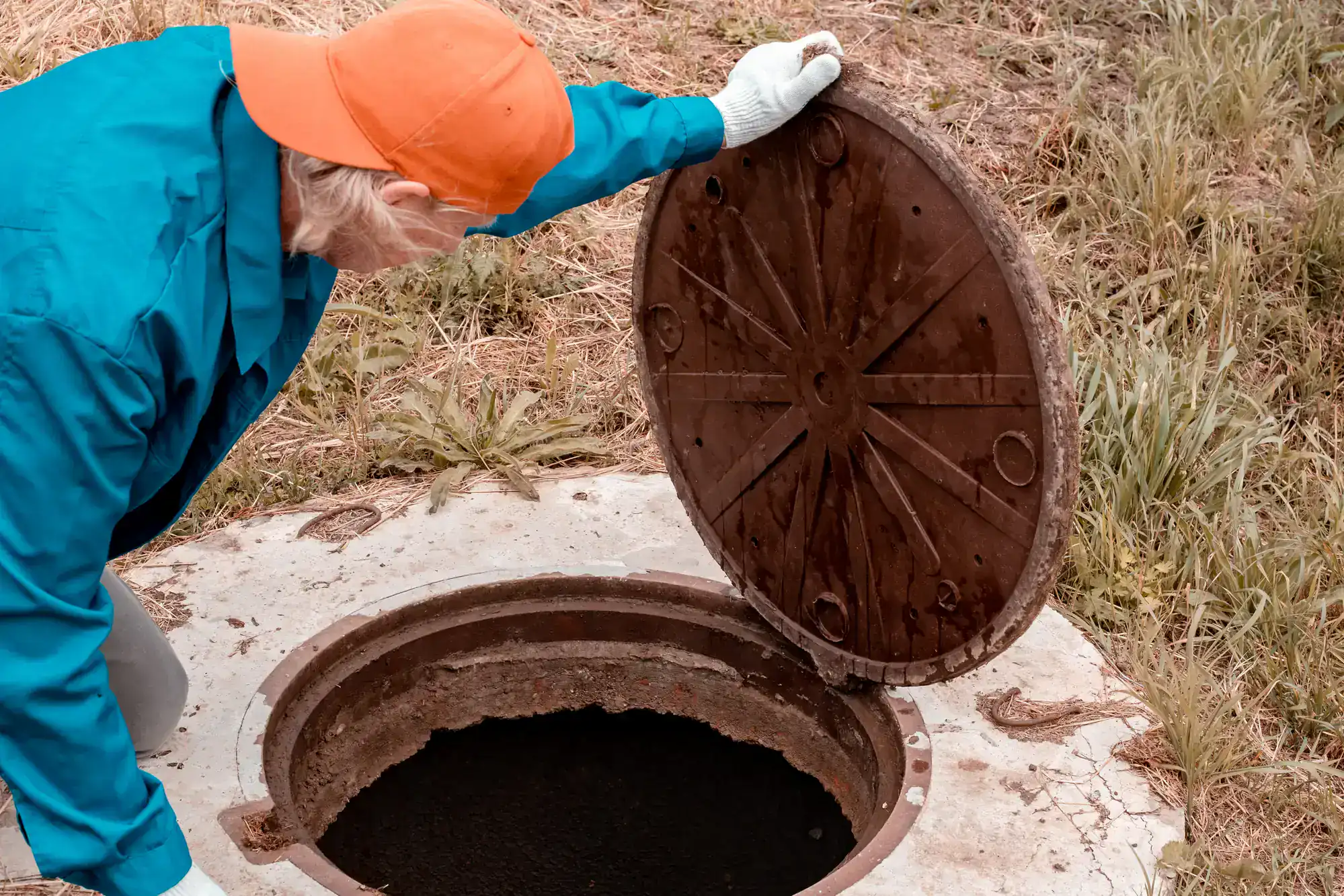
On inspection day, we locate and uncover the tank, check the current levels, and measure the system components. A camera gets fed through the lines to visually document the interior condition. The drain field gets evaluated for saturation, odors, and surface issues that indicate failure.
You’re not waiting weeks for results. The report gets delivered with photos, measurements, and clear findings. If the system passes, your lender gets the documentation they need. If issues come up, you get specific details about what’s failing and what it means for the transaction.
The inspection covers what mortgage companies and health departments actually require—not a checklist designed to upsell you. You walk away knowing whether the system works, what condition it’s in, and whether you’re looking at future maintenance or immediate problems.

Ready to get started?
Every septic inspection in Southampton includes tank location and excavation, level checks to assess how the system is handling wastewater, and a full visual inspection of accessible components. Camera inspections provide footage of the tank interior and feed lines, with measurements showing exactly where problems exist.
The drain field evaluation checks for standing water, odors, and soil saturation that signal failure. You get documentation that includes photos, a compliance statement, and detailed notes about system condition.
Southampton properties often have older cesspools that need evaluation under current Suffolk County regulations. The inspection identifies whether you’re dealing with a conventional septic system or a cesspool, what condition it’s in, and whether it meets requirements for the transaction.
This isn’t a pass/fail checklist. It’s a real assessment that gives you leverage in negotiations or confidence to move forward. Buyers use these reports to request repairs or credits. Sellers use them to prove system condition before listing. Either way, you’re making decisions based on actual data, not assumptions.
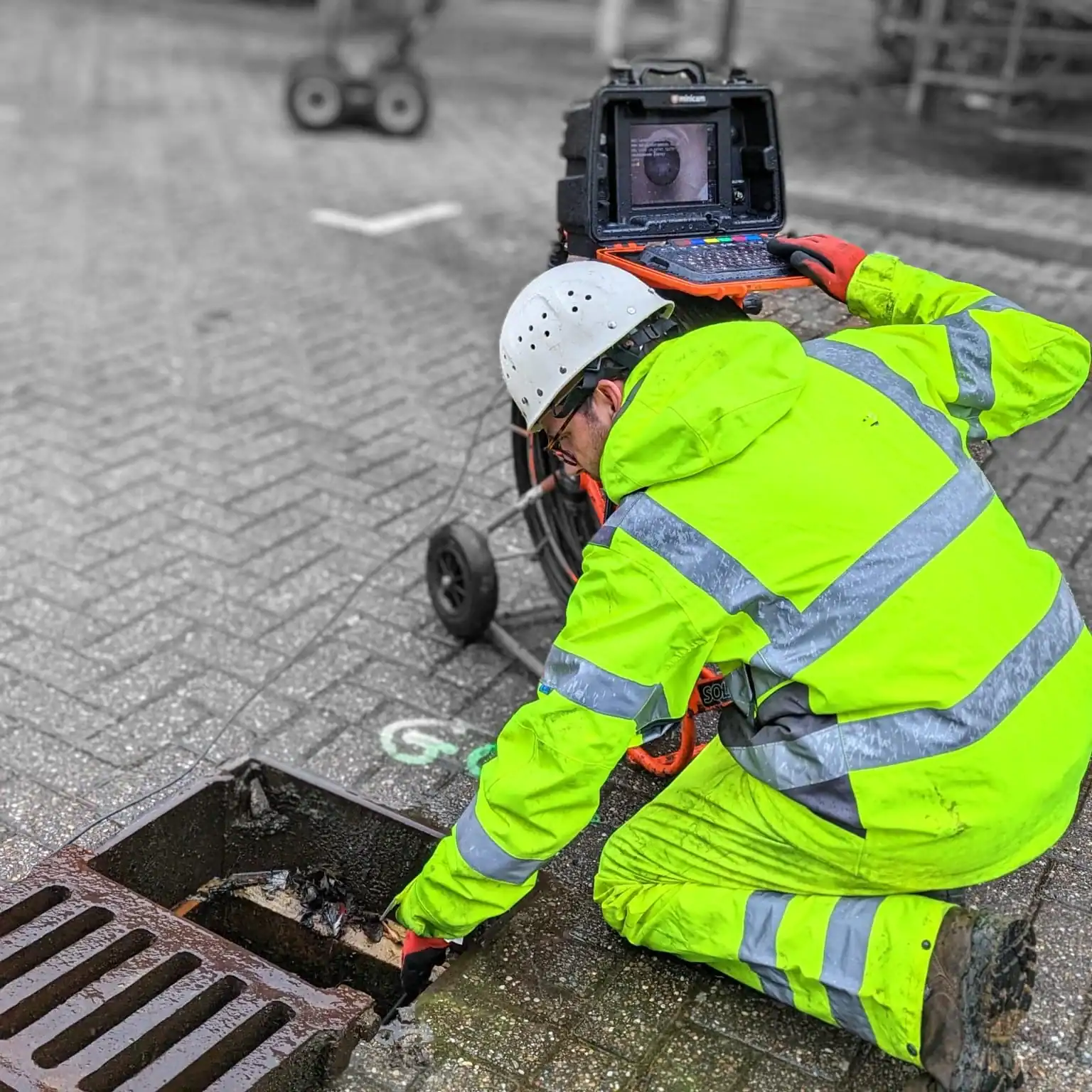
Most septic inspections in Southampton take two to three hours, depending on how easy it is to locate and access the tank. If the tank’s buried and unmarked, locating it adds time. If it’s already exposed or clearly marked, the process moves faster.
The actual inspection work—checking levels, running the camera, evaluating the drain field—doesn’t take long once access is established. What takes time is the documentation. You want photos, measurements, and detailed notes because that’s what your lender and the health department need to see.
Scheduling usually happens within a few days of your call, but during peak real estate season in Southampton, it’s smart to book as soon as your offer is accepted. Waiting until the last minute before your mortgage commitment deadline creates unnecessary stress if problems come up.
If the system fails, you get a detailed report explaining what’s wrong and why it didn’t pass. Common failures include high tank levels that indicate drain field problems, structural damage to the tank, or broken feed lines that need repair.
A failed inspection doesn’t automatically kill the deal. Most purchase contracts in Southampton include contingencies that let you negotiate repairs, request a credit, or walk away if the seller won’t address the issues. You’re protected as long as the inspection happens before you’re fully committed.
Some problems are simple fixes—a damaged baffle or a tank that needs pumping. Others, like a failed drain field, mean significant work. The report gives you enough detail to get repair estimates and decide whether to move forward, renegotiate, or pass on the property. You’re making that choice with real information, not surprises after closing.
You’re not legally required to get a septic inspection before listing, but it’s often a smart move. Buyers with financing will require one anyway, and if problems come up during their inspection, you’re negotiating from a weaker position.
Getting your own inspection before listing lets you address issues on your timeline and budget, not under pressure during contract negotiations. You can fix problems, document recent maintenance, or price the home accordingly if the system needs work.
In Southampton’s real estate market, a clean septic inspection report can speed up transactions and reduce buyer concerns. It shows you’ve maintained the property and aren’t hiding problems. Some sellers include the report with listing materials to attract serious buyers and avoid last-minute deal complications. It’s not required, but it removes uncertainty that can stall or kill offers.
A septic system treats wastewater through a tank and drain field, while a cesspool is basically a large pit that holds waste until it seeps into surrounding soil. Both get inspected, but what we look for is different.
For septic systems in Southampton, the inspection focuses on tank condition, baffle integrity, and drain field performance. The camera checks for cracks, blockages, and proper flow. The drain field gets evaluated for saturation and failure signs.
Cesspools get inspected for structural integrity and capacity, but they’re being phased out under Suffolk County regulations. If you’re buying a home with a cesspool, the inspection will note its condition and whether it’s likely to need replacement soon. Many lenders won’t finance properties with failing cesspools, so knowing the condition before you’re under contract matters. The inspection process is similar, but the regulatory context and what you’re evaluating is different.
An inspection shows current condition, not a guaranteed lifespan. A well-maintained system in good soil can last 25-30 years. A poorly maintained system in challenging Southampton soil might fail in 15.
What the inspection does is identify signs of wear that suggest how the system is holding up. Cracks in the tank, deteriorating baffles, or early drain field saturation all point to a system that’s aging and may need attention sooner than later.
You won’t get a warranty or a specific number of years, but you’ll know whether the system is performing well, showing age, or actively failing. That’s enough to make informed decisions about the property. If the system’s been maintained and the inspection shows good condition, you’re likely fine for years. If it’s struggling now, you’re looking at repairs or replacement in the near term. The inspection gives you the data to assess risk, even if it can’t predict exactly when something will fail.
If you know where the tank is, mark it or let us know. That saves time and keeps the process moving. If you don’t know, that’s fine—locating it is part of the job.
Clear access to the area where the tank and drain field are likely located. Move cars, outdoor furniture, or anything that might be in the way. If there’s a deck or patio over the tank, mention that when you schedule so we know what we’re working with.
Don’t pump the tank right before the inspection unless we specifically ask you to. Part of the inspection involves checking levels to see how the system is handling normal use. If the tank’s empty, that information gets lost. Let the system operate normally leading up to the inspection so the assessment reflects real-world performance. That’s what gives you accurate results.
Other Services we provide in Southampton