Hear From Our Clients

You’re not looking for someone to tell you everything’s fine when it isn’t. You need an honest assessment of what’s working, what’s failing, and what might become a problem down the road.
A real estate septic inspection in Springs, NY does more than check boxes for a closing. It shows you the actual condition of tanks, distribution boxes, and leach fields. It identifies cracks, blockages, saturated soil, and structural issues that surface-level checks miss entirely.
That documentation protects you during negotiations. It prevents surprises after you’ve already signed. And if you’re the seller, it gives buyers confidence that they’re not inheriting a disaster waiting to happen.
Suffolk County’s sandy soil and high water table create conditions where systems fail differently than they do elsewhere. What looks fine on the surface can be completely compromised underground. That’s why a certified septic inspector in Springs, NY uses cameras, locators, and transmitters to see what’s actually happening inside your system—not just what’s visible from the yard.
We’ve been serving Springs and the rest of Suffolk County since 1998. We’re not a franchise. We’re a family-owned cesspool inspection company in Springs, NY that understands how systems behave in Long Island’s unique soil conditions.
We know the regulatory requirements that apply to your property. We know what Suffolk County health departments expect in inspection reports. And we know the difference between a system that needs monitoring and one that needs immediate attention.
You’ll work with inspectors who’ve seen thousands of septic systems across Springs, East Hampton, and the surrounding area. That experience shows up in the thoroughness of the inspection and the clarity of the report you receive.

A home buyer septic inspection in Springs, NY starts with locating every component of your system. That includes the tank, distribution box, and leach field boundaries. We use electronic locators to map what’s underground—because you can’t inspect what you can’t find.
Next, we open access points to examine the tank’s interior condition. We’re looking at structural integrity, sludge and scum levels, baffles, and inlet/outlet pipes. We measure depths with a sludge judge to determine whether the tank needs pumping or if there’s evidence of a larger problem.
Then we inspect the distribution box and check for even flow to all leach field lines. Uneven distribution is one of the earliest signs of system failure, and it’s something most homeowners never see until the yard starts flooding.
We run cameras through accessible lines to identify cracks, root intrusion, or collapsed sections. The camera footage gets included in your report with exact measurements showing where problems exist. If the system has an alarm, pump, or advanced treatment components, those get tested and documented as well.
You receive a written report with photos, measurements, and a clear assessment of the system’s condition. That report meets Suffolk County requirements and gives you exactly what lenders and attorneys need for a real estate transaction.

Ready to get started?
A point-of-sale septic inspection in Springs, NY delivers more than a pass/fail grade. You get documentation of every component’s condition, measurements of sludge levels, photos of the tank interior, and video footage of any camera work we perform.
The report identifies current deficiencies and flags areas that may need attention in the near future. It includes recommendations for maintenance intervals based on household size and system type. And it provides the compliance statements required by Suffolk County health departments.
Springs properties often have older cesspools or conventional septic systems installed decades ago. Many of these systems were never designed for modern water usage patterns. Your inspection reveals whether the system is adequate for the property’s current use—or if it’s operating beyond its intended capacity.
If you’re dealing with a commercial septic inspection in Springs, NY, the evaluation goes deeper. We assess whether the system meets current code requirements for the property’s use type. We document pumping schedules, maintenance records, and any modifications made over the years.
For properties in sensitive environmental areas near Accabonac Harbor or other protected waters, inspections may include additional groundwater monitoring and nitrogen reduction assessments. These aren’t optional—they’re part of Suffolk County’s efforts to protect Long Island’s drinking water supply.
Suffolk County requires inspections every three years for most residential systems, with mandatory reporting for certain property types. But that’s the minimum, not necessarily what your system needs.
If you’re buying or selling property, you’ll need a pre-transaction inspection regardless of when the last one occurred. Lenders and attorneys typically require documentation dated within 90 days of closing.
For routine maintenance, annual inspections catch problems early. Long Island’s sandy soil drains quickly, which means issues develop faster here than in areas with clay or loam. An inspection that happens every three years might miss the window where a repair would’ve been simple.
If you notice slow drains, soggy areas in the yard, or sewage odors, don’t wait for your scheduled inspection. Those are signs of active problems that get worse the longer they’re ignored. An emergency septic inspection in Springs, NY can identify the source and prevent a complete system failure.
A thorough inspection examines every accessible component of your waste management system. That starts with the tank itself—checking for cracks, corrosion, or structural damage that could lead to collapse or groundwater contamination.
Inside the tank, we measure sludge and scum layers to determine if pumping is needed. We inspect baffles to make sure they’re intact and functioning. We check inlet and outlet pipes for blockages or damage. These components fail more often than most homeowners realize, and when they do, the entire system stops working properly.
The distribution box gets opened and inspected for even flow to all leach field lines. If one line is taking all the flow while others sit dry, that’s a distribution problem that will eventually cause system failure. We also look for signs of hydraulic overload—standing water, saturated soil, or effluent surfacing in the yard.
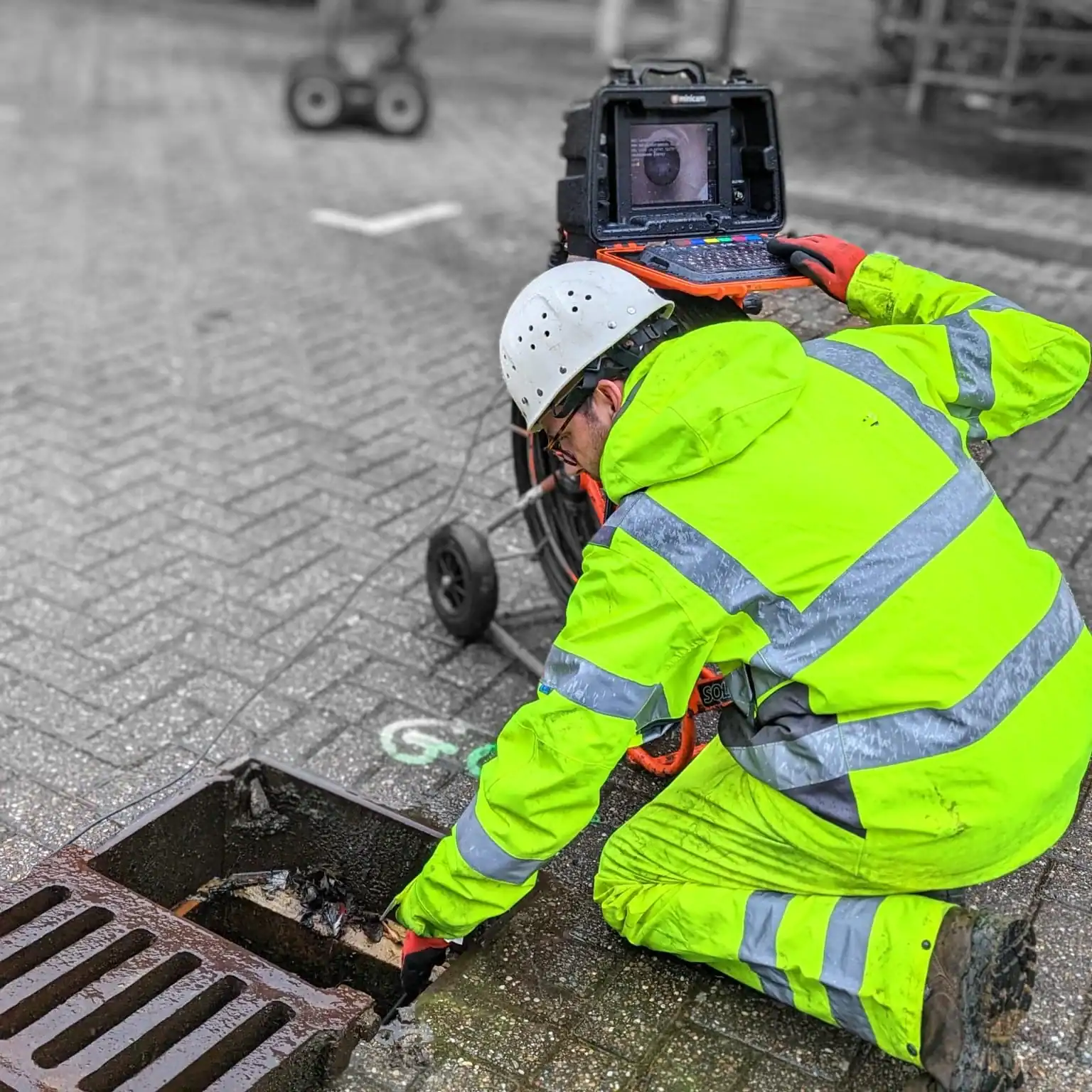
Camera inspections reveal what’s happening inside pipes and lines. We can see root intrusion, cracks, bellied sections, or complete collapses. The camera has a locator that pinpoints exactly where problems exist, which saves significant time and expense if repairs become necessary.
For advanced systems with pumps, alarms, or aerobic treatment units, we test functionality and check maintenance records. These components require regular servicing, and neglect shows up quickly during an inspection.
You absolutely need one, and here’s why: most home inspections don’t include septic system evaluation. A general home inspector might note the presence of a septic system, but they’re not equipped to assess its actual condition.
Septic system replacement runs into the tens of thousands. That’s not a repair you want to discover after closing. A pre-purchase inspection reveals whether the system is functioning properly or if you’re inheriting a problem that needs immediate attention.
Suffolk County’s regulations have changed significantly over the years. Properties with older cesspools can’t replace them with cesspools anymore—they must upgrade to full septic systems. If the existing cesspool is failing, you’re looking at a complete system installation, not a simple repair.
The inspection also gives you negotiating power. If the system needs work, you can request repairs before closing, ask for a credit, or adjust your offer accordingly. Without documentation, you have no leverage and no protection.
Many purchase agreements in Springs and throughout East Hampton now include septic inspection contingencies. Buyers are requiring proof that systems function properly before they’ll complete the transaction. If you’re selling, having a recent inspection report ready speeds up the process and prevents delays.
The inspection report will specify exactly what’s wrong and how serious it is. Some issues require immediate attention. Others can be monitored and addressed during routine maintenance. The report distinguishes between the two.
Minor problems might include a baffle that needs replacement or a distribution box that needs adjustment. These are repairs that can typically be completed quickly without major excavation or system redesign.
More significant issues—like a cracked tank, failed leach field, or collapsed distribution lines—require more extensive work. The inspection report documents the problem’s location and severity, which allows contractors to provide accurate repair estimates.
If you’re in a real estate transaction, the inspection findings become part of the negotiation. Buyers and sellers can agree on repairs, credits, or price adjustments based on the documented condition. Having clear information prevents disputes and keeps the transaction moving forward.
For existing homeowners, finding problems during a routine inspection is actually good news. It means you’re catching issues before they become emergencies. A planned repair is always less disruptive and less expensive than an emergency situation where sewage is backing up into your house or surfacing in your yard.
Suffolk County offers grants and financing programs for septic system upgrades in certain situations. If your inspection reveals that replacement is necessary, these programs can help offset the expense.
Commercial properties have different usage patterns, regulatory requirements, and system designs than residential properties. A commercial septic inspection in Springs, NY accounts for all of those differences.
Flow rates are higher in commercial settings. Restaurants, offices, retail spaces, and multi-unit properties generate more wastewater than single-family homes. The inspection verifies that the system is sized appropriately for the property’s actual use and occupancy.
Commercial systems often include grease traps, lift stations, or specialized treatment components. Each of these requires inspection and documentation. We check maintenance records to verify that required servicing has been performed on schedule.
Suffolk County has specific permitting and inspection requirements for commercial properties. The inspection report must meet health department standards and include all documentation necessary for permit renewals or occupancy certificates.
For restaurants and food service establishments, grease trap inspection is a critical component. We verify proper sizing, installation, and maintenance. A failing grease trap can destroy a leach field in months, and replacement costs are substantial.
Commercial property transactions require even more thorough documentation than residential ones. Buyers need proof that the system is compliant, adequately sized, and properly maintained. Sellers need documentation to demonstrate that they’ve met all regulatory requirements during their ownership.
Long Island’s geology creates unique challenges for septic systems. The sandy soil drains quickly, which sounds like an advantage—but it also means less time for natural filtration before wastewater reaches groundwater.
That’s a problem because Long Island’s drinking water comes entirely from underground aquifers. What goes into your septic system eventually affects the water supply. That’s why Suffolk County has stricter inspection and maintenance requirements than many other areas.
The high water table in Springs and other coastal areas means septic systems are often closer to groundwater than they should be. During heavy rain or seasonal high water, systems can become saturated. That reduces treatment effectiveness and can cause surfacing or backup issues.
Salt air and coastal conditions accelerate corrosion of tanks and components. Concrete tanks develop cracks and structural problems faster here than they do inland. Metal components rust through more quickly. These factors mean Long Island systems often need replacement sooner than the same system would in a different environment.
Older properties in Springs may have cesspools instead of septic systems. Cesspools provide almost no treatment—they’re basically holding tanks that allow wastewater to seep directly into surrounding soil. They’re no longer legal to install, and when they fail, they must be replaced with proper septic systems that meet current code requirements.
Understanding these local conditions is why working with a certified septic inspector in Springs, NY who knows the area matters. The inspection needs to account for factors that don’t exist in other parts of the country.
Other Services we provide in Springs