Hear From Our Clients

You get a complete picture of your septic system’s condition before small issues turn into major drain field replacements. Our certified inspections catch problems early, document everything thoroughly, and give you the facts you need for real estate transactions or regulatory compliance.
No guessing. No surprises. Just clear answers about whether your system is working properly or needs attention.
When you know what you’re dealing with, you can plan accordingly instead of scrambling during an emergency.
We’ve been serving West Sayville and Suffolk County since 1998. We understand the unique challenges of Long Island septic systems, from sandy soil conditions to evolving county regulations.
Our team knows what to look for in Suffolk County’s diverse septic systems. We’ve seen how systems perform in West Sayville’s specific soil conditions and understand the local compliance requirements that affect your property.
We’re not here to oversell you services you don’t need. We give you honest assessments so you can make the right decisions for your situation.

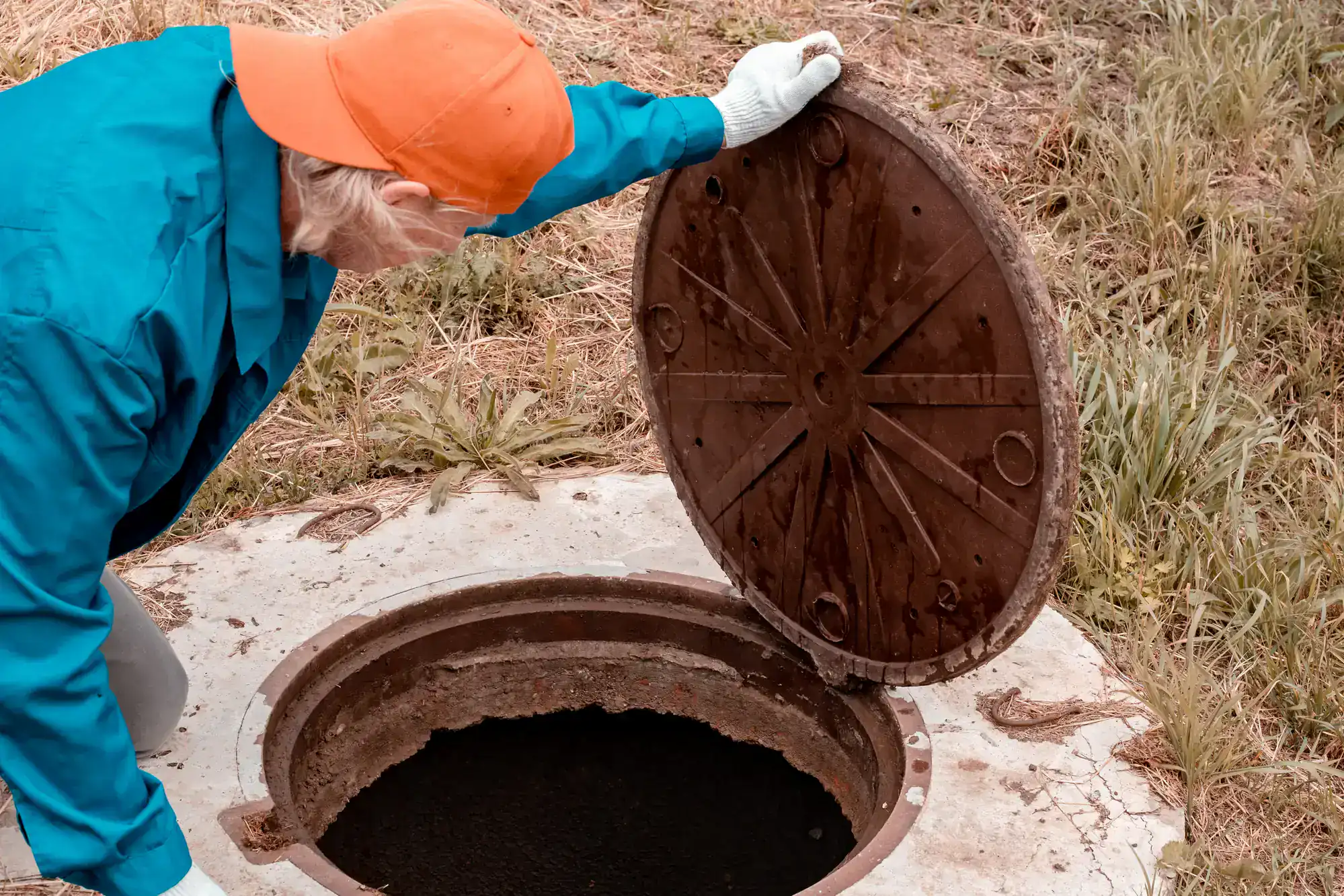
We start by locating your septic tank and accessing the system components. Our technicians inspect sludge and scum levels, check the tank’s structural condition, and assess the distribution box and drain field areas.
Next, we test the system’s functionality by running water through the house and monitoring how the system handles the flow. We look for signs of backup, slow drainage, or other performance issues.
You receive a detailed report documenting our findings, including any maintenance needs or potential problems. If we find issues, we explain what they mean and what your options are – no pressure, just facts.

Ready to get started?
Our inspections include visual assessment of all accessible components, water level checks, and system functionality testing. You get documentation that meets Suffolk County requirements and satisfies real estate transaction needs.
In West Sayville, we’re familiar with the area’s predominantly sandy soil conditions and how they affect septic system performance. We understand local groundwater patterns and seasonal variations that can impact system function.
We also know Suffolk County’s evolving regulations, including the new requirements for nitrogen-reducing systems and mandatory reporting. Our inspections help you understand where your system stands with current compliance standards.
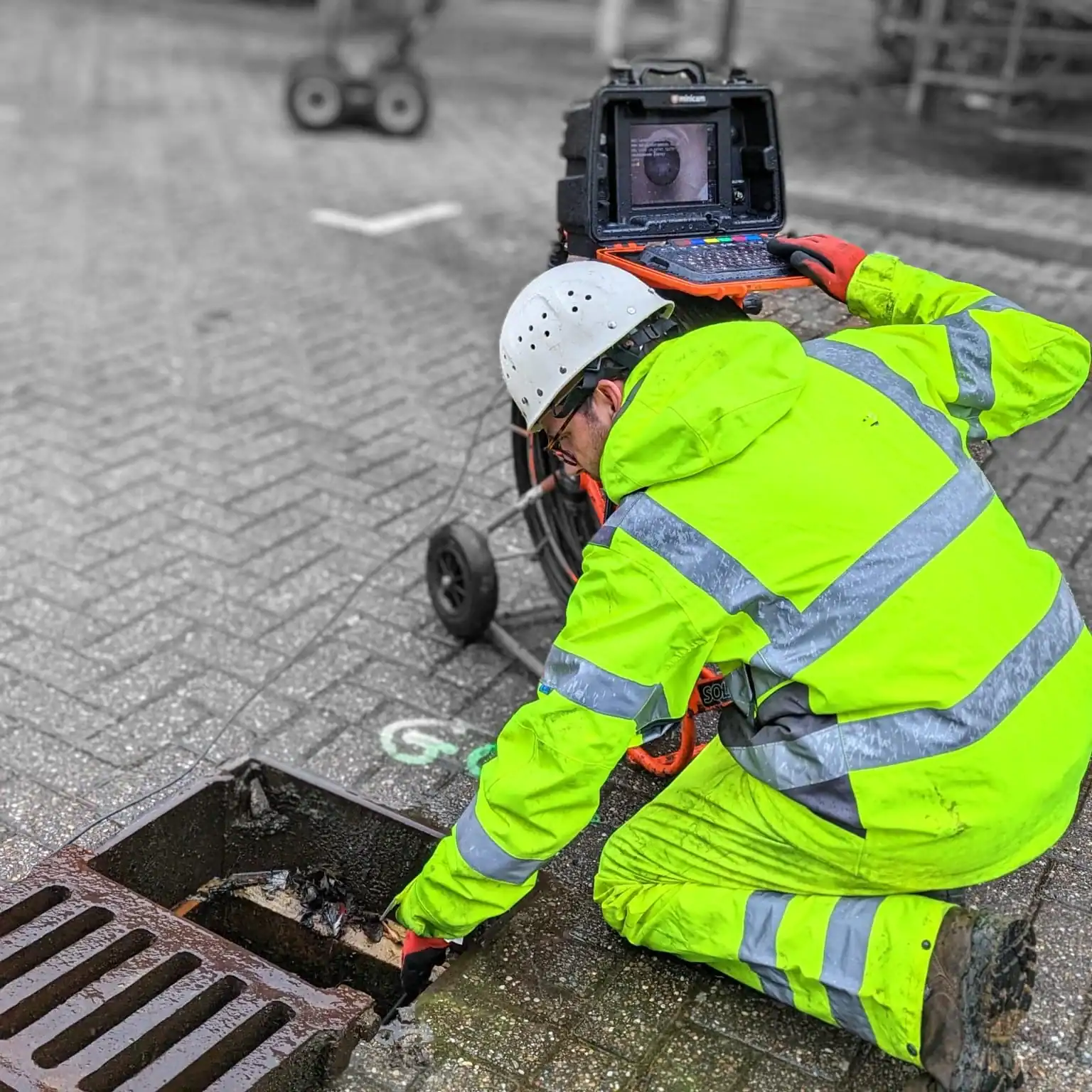
Suffolk County requires septic system inspections every three years, with reports submitted to the county. However, you should also get an inspection before any real estate transaction, when you notice performance issues, or if you’re planning property improvements.
For real estate transactions, most buyers and mortgage companies want an inspection completed within the past year. If you’re selling, having a recent inspection can speed up the process and give buyers confidence in your system’s condition.
Regular inspections catch problems early, when they’re less expensive to fix. Waiting until you have obvious problems often means costlier repairs.
A comprehensive pre-purchase inspection includes locating and accessing the septic tank, checking sludge and scum levels, inspecting the tank’s structural condition, and testing system functionality. We also examine the distribution box and assess the drain field area for signs of failure.
We run water through the house to see how the system handles flow and check for any backup or drainage issues. You receive detailed documentation of our findings, including photos and recommendations for any needed maintenance or repairs.
This inspection gives you leverage in purchase negotiations and helps you avoid buying a property with expensive septic problems. It’s much better to know about issues before you own them.
Septic inspection costs in West Sayville typically vary depending on the type of inspection and system complexity. A basic visual inspection costs less than a comprehensive inspection that includes pumping and detailed component testing.
Consider this against the potential expense of septic repairs, which can range from minor fixes to major drain field replacements, depending on the severity of the issue. An inspection is inexpensive insurance against much larger problems.
Most buyers pay for their own inspection to ensure they control the process and get unbiased results. This investment protects you from inheriting someone else’s septic problems.
Call for immediate inspection if you notice sewage backing up into your house, standing water or wet spots in your yard near the drain field, or strong odors around your septic area. Slow drains throughout the house, gurgling sounds from plumbing, or unusually green grass over the drain field also indicate problems.
These symptoms often mean your system is failing or overloaded. Continuing to use a failing system can cause environmental contamination and create health hazards for your family.
Don’t wait for problems to get worse. Early intervention usually means less expensive solutions and prevents damage to your property and the environment.
Yes, Suffolk County requires permits for septic system replacement, major repairs, and upgrades. The county also requires contractors to report all septic work, including pumping activities, to the Department of Health Services.
New regulations effective since 2019 require septic tanks (not just cesspools) for any system replacement, and nitrogen-reducing systems may be required for certain properties. These requirements help protect Long Island’s water quality but add complexity to septic projects.
We help you understand what permits you need and can guide you through the compliance process. It’s better to do things right from the start than deal with violations later.
Absolutely. Septic problems can delay or kill property sales, especially when buyers discover issues during their inspection period. Many mortgage companies won’t approve loans for properties with failing septic systems, and buyers often walk away from properties with expensive septic issues.
Having a current inspection report shows potential buyers that you’re transparent about your property’s condition. If problems exist, you can address them before listing or price them into your negotiations.
Smart sellers get their systems inspected before listing to avoid surprises during the sale process. It’s much easier to handle septic issues on your timeline rather than under pressure from a purchase contract.
Other Services we provide in West Sayville