Hear From Our Clients

Your septic system works behind the scenes until it doesn’t. When you stay ahead of maintenance, you avoid the mess, stress, and expense of emergency situations.
Regular pumping prevents sewage backups that can damage your property and create health hazards. You get predictable costs instead of surprise emergency bills that run 20-50% higher than scheduled service. Your system lasts longer, works more efficiently, and keeps your Central Islip home comfortable.
Most importantly, you’re not dealing with the nightmare of a failed system that could cost $15,000-25,000 to replace. Proper maintenance is always cheaper than waiting for problems to develop.
We’ve been serving Central Islip and Suffolk County since 1998. We understand how Long Island’s high water table and coastal conditions affect septic systems differently than inland areas.
As a family-owned business, we know that Suffolk County’s environmental regulations aren’t just bureaucracy—they’re protecting the groundwater that Central Islip residents depend on. We’ve built our reputation on straight talk, fair pricing, and showing up when we say we will.
We offer military, first responder, and senior discounts because we’re part of this community. We support local veteran organizations like Paws of War and understand that reliable service means something different when you’re dealing with your neighbors.

The process starts with locating your tank and assessing access. If your tank location isn’t marked, we use electronic detection equipment to find it without damaging your property.
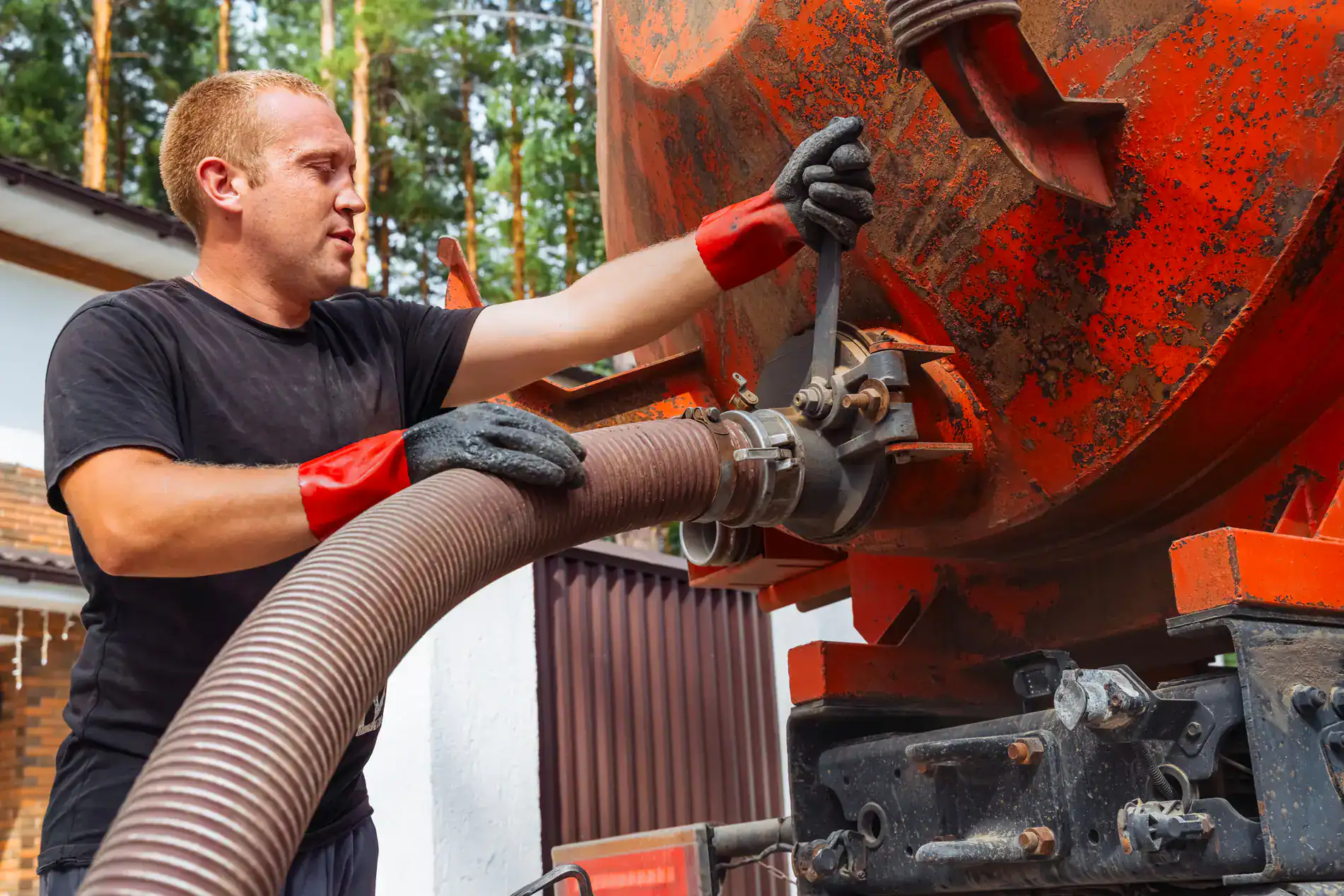
Next comes the actual pumping using commercial-grade vacuum trucks. We remove all liquid effluent, accumulated sludge, and floating solids from your tank. The waste gets transported to approved treatment facilities following all environmental regulations.
During the service, we inspect your tank condition and let you know if we spot any concerns. You get clear information about what we found and recommendations for keeping your system running properly. No pressure, no overselling—just honest assessment of what your system actually needs.

Ready to get started?
Central Islip’s location in Suffolk County means your septic system faces unique challenges. The area’s high water table and frequent storm events put more stress on systems than you’d find inland. That’s why most local systems need pumping every 3 years instead of the standard 4-5 year intervals.
Suffolk County has over 365,000 residential septic systems, with more than 252,000 consisting of cesspools only. The county’s environmental regulations have gotten stricter because nitrogen from failing systems threatens Long Island’s sole source aquifer and coastal waters.
For Central Islip homeowners, this means regular maintenance isn’t just about avoiding problems—it’s about staying compliant with regulations that protect everyone’s water supply. The good news is that Suffolk County offers grants up to $10,000 for system improvements, with additional funding available for qualifying residents.

Most Central Islip homes need septic pumping every 3 years, though this varies based on household size and water usage. A family of four with a 1,000-gallon tank typically needs service every 3-4 years.
Suffolk County’s high water table and coastal conditions stress septic systems more than inland areas. That’s why local experts recommend slightly more frequent pumping—every 3 years instead of 4-5—to account for these environmental factors. If you have a garbage disposal, do lots of laundry, or have more than four people in your household, you might need more frequent service.
Septic pumping in Central Islip typically costs $300-600 for standard residential tanks, depending on size and accessibility. Larger tanks or difficult access can increase costs, while emergency service runs 20-50% higher than scheduled maintenance.
The investment makes sense when you consider that replacing a failed septic system can cost $15,000-25,000. Emergency pumping often requires additional services beyond basic pumping, potentially adding $300-800 to your total cost. Regular maintenance is always less expensive than waiting for problems to develop.
Watch for early warning signs like toilets that take slightly longer to flush, minor gurgling sounds from drains, or grass that grows unusually green over your drain field. These signs appear weeks or months before serious problems develop.
More obvious signs include slow-draining sinks, showers, or toilets, bad smells around your septic area, or standing water over your system. If you can’t remember your last pumping or it’s been more than 3 years, you’re likely due for service. Don’t wait for sewage backups—by then you’re dealing with emergency rates and potential property damage.
Yes, Suffolk County offers significant financial assistance for septic system improvements. The county provides up to $10,000 base grants, with additional funding up to $10,000 available for certain improvements like pressurized shallow drain fields.
New York State also provides grants covering 50% of eligible costs up to $10,000, though this doesn’t include sales tax, pumping, or certain internal plumbing requirements. Some towns offer additional rebates. The grants are paid directly to approved contractors, so you must use vendors from the county’s approved list to qualify.
Suffolk County’s high water table and coastal environment create unique challenges for septic systems. Frequent storm events and sandy soils affect how systems function compared to inland locations. The area also has strict environmental regulations because septic systems directly impact Long Island’s sole source aquifer.
These conditions mean systems often need more frequent maintenance and must meet higher standards for nitrogen removal. About 75% of Suffolk County properties rely on private septic systems, making proper maintenance crucial for protecting both individual properties and the broader environment. Local expertise matters because contractors need to understand these specific conditions and regulations.
A professional service starts with locating your tank and assessing access conditions. If your tank isn’t marked, we’ll use electronic detection equipment to find it safely. We’ll explain what we found and provide upfront pricing before starting work.
The actual pumping involves using commercial-grade vacuum trucks to remove all liquids, sludge, and floating solids from your tank. We’ll inspect the tank condition during service and let you know about any concerns. The waste gets transported to approved treatment facilities following environmental regulations. You’ll get clear information about your system’s condition and recommendations for future maintenance—no pressure or overselling.
Other Services we provide in Central Islip