Hear From Our Clients

You’re not thinking about your septic system. That’s the goal.
No slow drains before guests arrive. No mystery odors creeping into the house. No panic calls on a Sunday morning because something’s backing up and you have no idea who to call.
Regular septic pumping in Central Islip means your system does what it’s supposed to do—quietly, reliably, without making itself your problem. Most Suffolk County homes need pumping every three to five years, but Long Island’s sandy soil and high water table can change that timeline. The soil drains fast, which sounds good until you realize it also means your system works harder and fills faster.
When you stay ahead of it, you’re looking at routine maintenance. When you wait too long, you’re looking at emergency service, contamination cleanup, and repairs that could’ve been avoided. Your septic tank doesn’t send reminder emails. It just stops working when it’s full.
AAA Dependable Cesspool is a family-owned operation that’s been serving Central Islip and Suffolk County for over 25 years. We’re licensed, insured, and we actually live here—so we understand how Long Island soil behaves, what the county requires, and why your neighbor’s system might need attention more often than the one three blocks over.
We’re not the biggest company you’ll find. We’re the one that shows up when we say we will, explains what’s actually happening with your system, and doesn’t try to sell you something you don’t need. Our work speaks through over 325 five-star reviews and decades of repeat customers who know what to expect when they call.
You’ll talk to people who know your street, your soil, and your system. That matters more than you’d think.

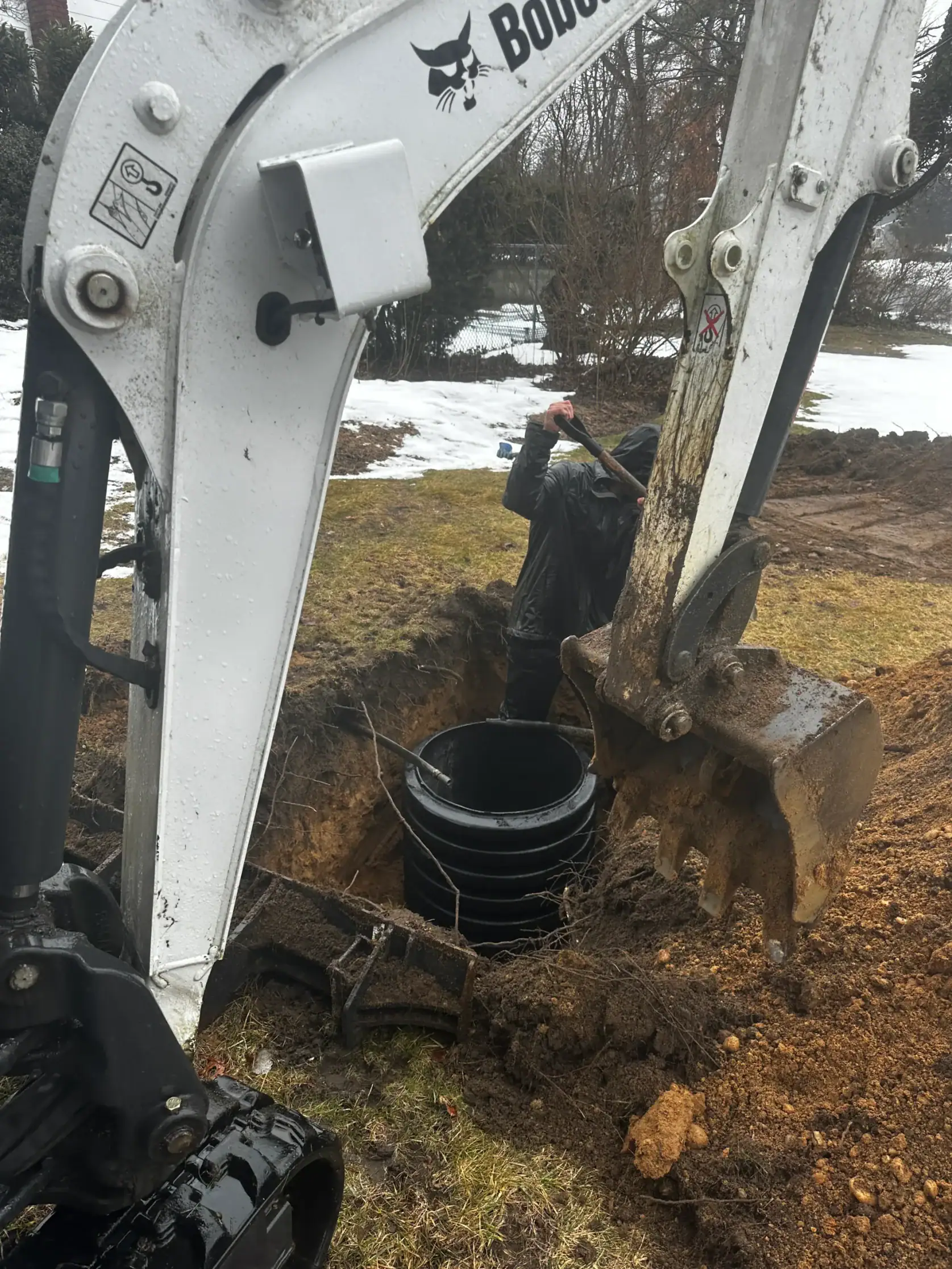
We start by locating and uncovering your tank—sometimes that’s the hardest part if it hasn’t been serviced in years. Once we’re in, we pump out all the solid waste and liquid from the tank using a high-powered vacuum truck. This isn’t just about emptying it. We’re looking at the baffles, checking for cracks, inspecting the inlet and outlet pipes, and making sure everything’s structurally sound.
If something looks off, we’ll tell you. If we think a camera inspection would give us better information, we’ll recommend it. But we’re not going to tell you the sky is falling if it isn’t.
After pumping, we measure the sludge and scum layers to confirm the tank’s been properly cleaned. Then we close it up, document the service, and give you a realistic timeline for when you’ll need us again. Most Central Islip homes fall into that three-to-five-year window, but your household size, water usage, and whether you have a garbage disposal all play a role.
You’ll get a straightforward answer based on what we actually see—not a script.

Ready to get started?
Every septic pumping appointment includes a full tank evacuation, a visual inspection of your system’s key components, and a rundown of what we found. You’re not just getting a truck that shows up and leaves. You’re getting eyes on your system from someone who knows what to look for.
We also offer 24/7 emergency septic service in Central Islip because backups don’t wait for business hours. If your system fails on a Saturday night, you’ll reach a real person who can get a truck to your house—not a voicemail.
Suffolk County requires documentation for septic pumping, especially if you’re selling your home or applying for permits. We handle that. You’ll get records that satisfy the county’s requirements and prove your system’s been maintained by a licensed contractor. That paperwork might seem like a small thing until you’re sitting at a closing table and the buyer’s attorney asks for it.
Central Islip sits in an area where aging cesspools and older septic systems are common. If you’re still on a cesspool, you should know that Suffolk County banned new cesspool installations in 2019. When yours fails, you’ll need to upgrade—and regular pumping is the only thing buying you time before that happens.

Most residential septic systems in Central Islip need pumping every three to five years, but that’s not a universal rule. Your timeline depends on tank size, how many people live in your home, and how much water you use daily.
A family of five with a 1,000-gallon tank will fill it faster than a couple with a 1,500-gallon system. If you run the dishwasher and washing machine daily, host frequent guests, or use a garbage disposal, you’re adding more solids and water to the tank. That accelerates the timeline.
Long Island’s sandy soil also plays a role. It drains quickly, which means liquid moves through your system faster—but that also means solids accumulate more rapidly in the tank. The high water table in parts of Central Islip can put additional pressure on your system, especially during wet seasons. If you’ve never had your tank pumped or you don’t remember the last time it was done, you’re overdue. Suffolk County recommends pumping every three years as a baseline, and that’s a good benchmark to follow unless we tell you otherwise based on an actual inspection.
When solids fill your tank beyond capacity, they start moving into your drain field. That’s not where they’re supposed to go. Your drain field is designed to handle liquid effluent that’s been partially treated in the tank—not raw sewage and sludge.
Once solids clog the drain field, you’re looking at slow drains, sewage backups in your home, and soggy spots in your yard that smell exactly like you think they do. Fixing a failed drain field isn’t a simple pump-out. It often requires excavation, replacement of contaminated soil, and installation of a new drain field. That’s the kind of repair that makes you wish you’d just scheduled regular pumping.
You might also face fines if Suffolk County inspects your property and finds an overflowing or failing system. When you go to sell your home, buyers will require proof of regular maintenance and a current inspection. If your system’s been neglected, that becomes a negotiating point—or a deal-breaker. Regular septic tank pumping in Central Islip is straightforward maintenance. Ignoring it turns into a much bigger problem that costs more, takes longer, and disrupts your life in ways that routine service never would.
Yes, we offer same-day and emergency septic service in Central Islip when you’re dealing with an urgent situation. If your toilets are backing up, your drains have stopped working, or you’re seeing sewage surfacing in your yard, that’s an emergency—and we treat it like one.
We keep trucks ready and maintain availability specifically for these calls because we know septic failures don’t happen on a convenient schedule. You’ll reach a real person when you call, not an answering service that takes a message and gets back to you Monday morning.
That said, same-day service is for genuine emergencies. If you’re planning ahead and your system’s still functioning normally, scheduling routine maintenance gives you more flexibility and often better availability. Regular pumping appointments can be planned around your schedule, and you’re not dealing with the stress of a backup while we’re working. Emergency calls get handled fast, but they’re also happening because something’s already gone wrong. Routine service prevents you from needing emergency service in the first place—and that’s always going to be the better scenario for your home and your day.
Yes, we pump and service both septic tanks and cesspools throughout Central Islip. Suffolk County still has thousands of homes on cesspool systems, even though new installations were banned in 2019. If your home was built before that regulation, there’s a good chance you’re still using a cesspool.
The pumping process is similar for both systems, but cesspools have a shorter lifespan and fewer treatment capabilities than septic tanks. A cesspool is essentially a large pit that collects wastewater and allows it to leach into the surrounding soil. There’s no separation of solids and liquids, no real treatment process—just basic drainage. That makes them less effective and more prone to failure, especially in areas with high water tables or dense soil.
If you’re on a cesspool, regular pumping is even more important because the system has less capacity to handle waste buildup. When your cesspool eventually fails—and it will—you won’t be able to replace it with another cesspool. You’ll need to upgrade to a septic system or advanced treatment technology, and that’s a significant project. Pumping your cesspool regularly extends its life and delays that upgrade, but it won’t prevent it forever. We’ll give you a realistic assessment of your system’s condition and let you know what you’re working with.
Stop using water immediately. That means no flushing toilets, no running sinks, no showers, no laundry. Every gallon you add to the system is one more gallon that has nowhere to go—and it’s going to come back up through your drains or overflow into your yard.
Call us for emergency septic pumping right away. A backup means your tank is full, something’s blocked, or your system has failed. You need us to assess what’s happening and get your tank pumped before the situation gets worse. Don’t try to fix it yourself with drain cleaners or by repeatedly flushing. That won’t solve the problem, and it might make things worse.
If sewage has backed up into your home, avoid contact with it. Raw sewage carries bacteria, viruses, and pathogens that pose serious health risks. Keep kids and pets away from affected areas. Once we’ve pumped the tank and identified the issue, you may need a professional cleaning and sanitization service to handle contaminated areas inside your home. After the immediate crisis is handled, we’ll inspect your system to figure out why it backed up. Sometimes it’s just a full tank that needed pumping. Other times it’s a damaged baffle, a clogged pipe, or a failing drain field. You’ll know what you’re dealing with and what needs to happen next.
You don’t always need a formal inspection every time you pump, but a visual check of your system’s condition should happen during every service. We look at the tank’s structural integrity, check the baffles, inspect the inlet and outlet pipes, and assess the levels of sludge and scum to make sure everything’s functioning properly.
A more thorough inspection—often involving a camera—is recommended if you’re buying or selling a home, if you haven’t had your system checked in years, or if you’re experiencing problems like slow drains or odors. Suffolk County requires septic inspections every three years, and you’ll need documentation showing your system’s been maintained if you’re applying for permits or transferring property.
If we see something during a routine pump-out that raises concerns, we’ll recommend a closer look. Cracks in the tank, damaged baffles, or signs that your drain field isn’t draining properly are all reasons to dig deeper—literally and figuratively. An inspection gives you a full picture of your system’s health and helps you avoid surprises down the road. It’s not about upselling you on services you don’t need. It’s about making sure you know what’s happening underground before it becomes an expensive emergency. You’ll get a straight answer about whether an inspection makes sense for your situation.
Other Services we provide in Central Islip