
Hear From Our Clients

Your drains flow freely again. No more slow toilets, gurgling sounds, or that nagging worry about when your system might fail. You know exactly when your next service is due, and you have a local team you can trust to handle it without drama.
Most Coram homeowners with a typical 1,000-gallon tank need pumping every 3-4 years, but your actual schedule depends on household size and water usage. We give you a realistic timeline based on your specific situation—not some generic recommendation that doesn’t fit your home.
You sleep better knowing your septic system is properly maintained by people who understand Suffolk County’s unique soil conditions and won’t try to sell you services you don’t need.
AAA Dependable Cesspool has been serving Suffolk County families since 1998. We’re the local company that shows up when we say we will, charges what we quote, and tells you the truth about what your system actually needs.
Our small team knows Coram’s soil conditions, understands how Long Island’s high water tables affect septic systems, and has seen every type of problem these systems can develop. We offer military, first responder, and senior discounts because we believe in taking care of the people who take care of our community.
You’re not just another service call to us—you’re a neighbor who deserves honest work at a fair price.

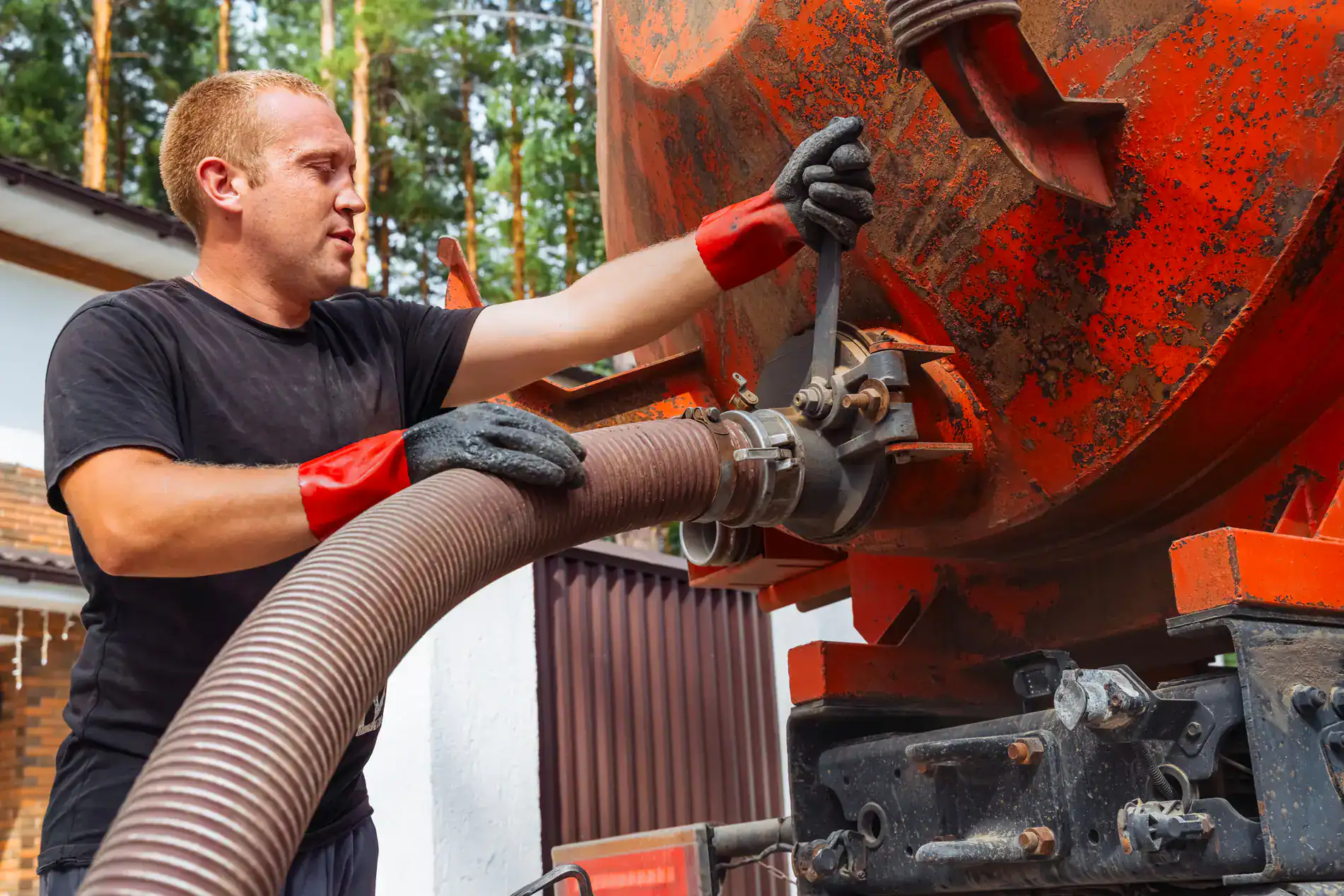
We start by locating your septic tank and preparing the access area without disturbing your landscaping. Our commercial-grade vacuum equipment removes all accumulated sludge and scum from your tank—not just a partial pump-out that leaves problems behind.
While we’re pumping, we inspect your tank’s condition, checking inlet and outlet baffles for any signs of damage or blockage. This isn’t just about emptying your tank; it’s about understanding how your system is performing and catching potential issues before they become expensive repairs.
After the pumping is complete, you get a straightforward report on your system’s condition and a clear recommendation for your next service interval. No sales pitch, no scare tactics—just the facts about what your septic system needs and when.

Ready to get started?
Complete septic pumping includes removing all accumulated solids, inspecting tank components, and providing you with an honest assessment of your system’s condition. We use specialized equipment designed for thorough waste removal and proper disposal at licensed facilities.
In Coram, your septic system faces unique challenges from our area’s porous limestone and fluctuating water tables. These conditions can accelerate the filling of your tank and affect drain field performance, which is why local expertise matters when maintaining your system.
We also provide guidance on extending your system’s life through proper usage habits and realistic maintenance schedules. Many Coram homeowners discover they can avoid costly repairs simply by understanding how their specific system works and what it actually needs to function properly.

Most Coram homeowners with a standard 1,000-gallon tank need pumping every 3-4 years, but your specific schedule depends on household size and water usage patterns. A family of four typically falls into this range, while smaller households might stretch to 4-5 years and larger families may need service every 2-3 years.
Coram’s soil conditions and high water tables can affect how quickly your tank fills, which is why we base recommendations on your actual system and usage rather than generic guidelines. Homes with garbage disposals typically need more frequent service since they add extra organic solids to the tank.
The key is tracking your household’s water usage and noting any changes in how your system performs throughout the year, rather than just following a calendar schedule that might not fit your situation.
Slow drains throughout your home are usually the first sign your septic tank has reached capacity and needs immediate attention. This includes toilets that drain slowly, sinks that back up, or showers that don’t empty properly—especially when multiple fixtures are affected at once.
Gurgling sounds from your plumbing fixtures indicate pressure problems caused by a full tank or blocked vents. You might also notice sewage odors around your property, wet spots in your yard over the septic area, or unusually lush grass growth near your system.
Don’t wait until you have sewage backing up into your home or standing water in your yard—these are emergency situations that could have been prevented with timely pumping. If you notice two or more warning signs, it’s time to schedule service immediately.
Septic pumping costs in Coram typically range from $350-$450 for a standard 1,000-gallon tank, with larger systems running $450-$550. The final price depends on tank size, accessibility, and your system’s condition—not surprise fees that weren’t mentioned upfront.
Factors that can affect cost include how far the pump truck needs to run hoses, whether your tank location is clearly marked, and if your system hasn’t been maintained regularly. Difficult access situations might add $50-$100, but we discuss these potential charges before starting work.
We provide transparent pricing with no hidden fees because we believe you should know exactly what you’re paying for. Our quotes include complete pumping, basic inspection, and proper waste disposal—not just the cheapest possible service that leaves problems behind.
Septic pumping requires specialized equipment, proper waste disposal methods, and knowledge of safety procedures that homeowners typically don’t have access to. The vacuum trucks, hoses, and pumping systems needed for thorough waste removal cost tens of thousands of dollars and require commercial licensing to operate.
More importantly, septic waste must be disposed of at licensed facilities according to strict environmental regulations. Improper disposal can result in significant fines and environmental damage, making DIY pumping both illegal and potentially costly in ways that far exceed professional service fees.
Professional pumping also includes system inspection and condition assessment that helps you avoid future problems. When you consider the equipment costs, disposal requirements, safety risks, and missed opportunities to catch developing issues, professional service provides much better value than attempting DIY pumping.
Signs of serious septic problems include sewage backing up into your home, persistent wet areas or standing water over your drain field, and strong sewage odors that don’t go away after pumping. These symptoms often indicate drain field failure or significant tank damage that requires professional evaluation.
If your system needs frequent pumping (more than once per year), has recurring blockages despite proper maintenance, or shows signs of structural damage during inspection, you may be looking at repair or replacement needs. However, many problems that seem serious can actually be resolved with proper pumping and minor repairs.
The key is getting an honest assessment from a local professional who understands Coram’s soil conditions and won’t try to sell you a new system when repairs would solve the problem. We evaluate each situation based on what your system actually needs, not what generates the highest service fee.
Never flush anything besides human waste and toilet paper down your toilets—this includes “flushable” wipes, feminine products, paper towels, and cotton balls. These items don’t break down properly and can cause blockages in your pipes or take up valuable space in your septic tank.
Avoid pouring grease, cooking oils, or fats down your kitchen drain since they solidify and create blockages in your system. Coffee grounds, eggshells, and food scraps should also stay out of your drains, even if you have a garbage disposal, since they add unnecessary solids to your tank.
Household chemicals, medications, and cleaning products can disrupt the beneficial bacteria your septic system needs to break down waste effectively. Use septic-safe products when possible and avoid excessive use of antibacterial cleaners or bleach that can kill the bacteria your system depends on for proper operation.
Other Services we provide in Coram