Hear From Our Clients

Your drains flow the way they should. No slow sinks, no gurgling toilets, no standing water in places it shouldn’t be.
When your septic tank gets pumped on schedule, you’re not dealing with emergency calls or scrambling to find someone who can come out today. You’re ahead of the problem instead of reacting to it.
Most Suffolk County homeowners with a family of four need septic pumping every three to four years. Larger households or homes with garbage disposals might need it every two. The timeline depends on how much wastewater your home generates, but the outcome is the same: a system that does its job without making itself known.
Regular residential septic pumping in Deer Park also means your system lasts longer. Tanks that get neglected fail earlier. Tanks that get maintained keep working for decades. The difference isn’t luck—it’s just consistent care.
We’re a family-owned business based right here in Suffolk County. We’re licensed, insured, and we’ve been handling cesspool pumping and septic tank pumping service for Deer Park homeowners for over 25 years.
We’re not a national chain. We know Long Island soil conditions, local regulations, and what it takes to keep septic systems running in this area. Our team is small, which means you’re not getting a different crew every time or talking to someone who doesn’t know your property.
We also support local veteran organizations like Paws of War and offer discounts to military members, first responders, and seniors. Deer Park is home, and we treat it that way.

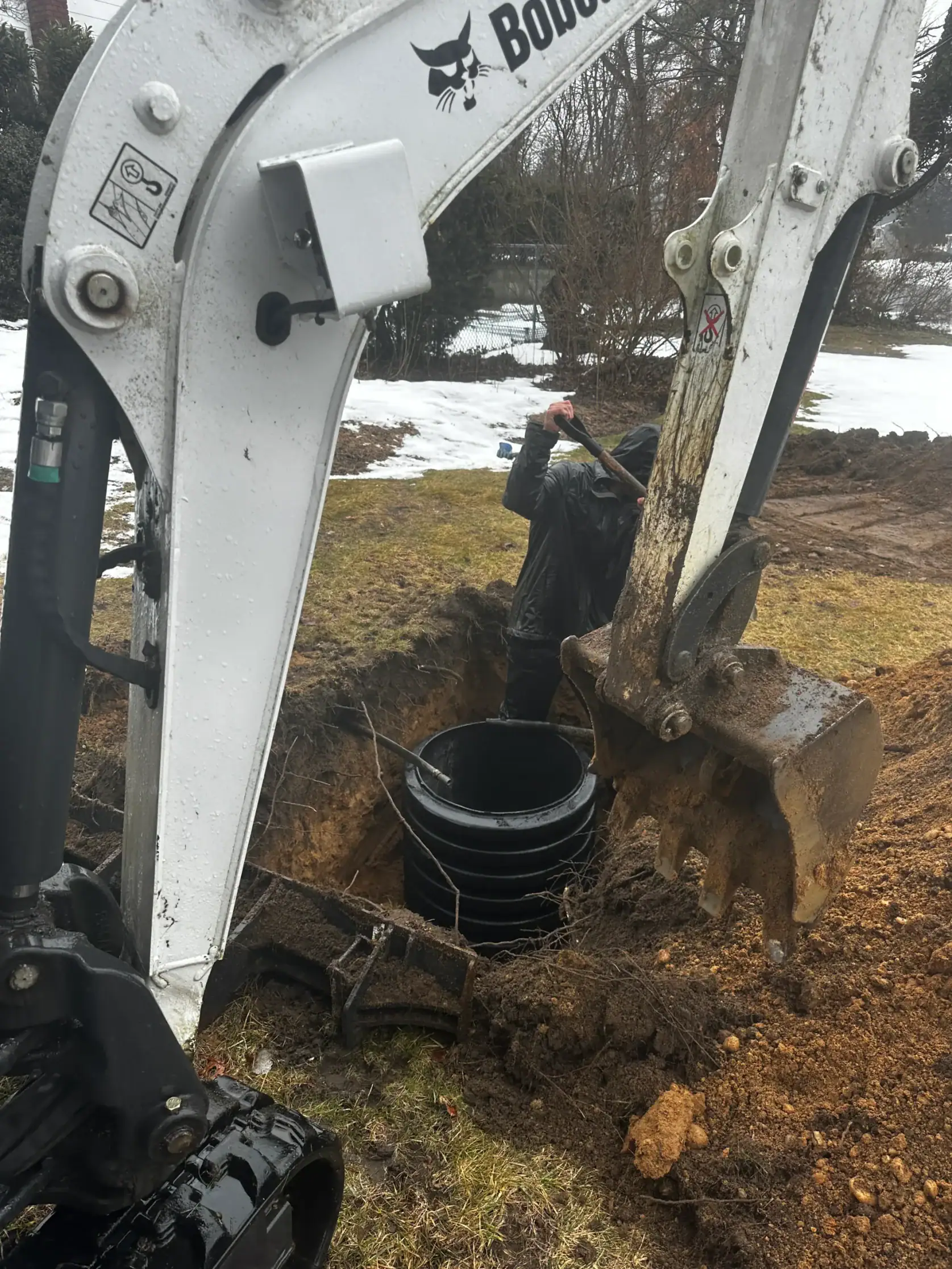
First, we locate your tank and access the lid. If it’s buried, we dig down to it carefully so we’re not tearing up your yard more than necessary.
Once we’re in, we pump out the solids and liquids using professional-grade equipment. This isn’t a quick suck-and-go—we make sure the tank is fully emptied so you’re getting the full benefit of the service.
While we’re there, we inspect the tank for cracks, check the baffles, and look for anything that might turn into a bigger issue down the road. Most problems we catch are small when we find them early. If something needs attention, we’ll tell you. If it doesn’t, we won’t.
After the tank is pumped and inspected, we close everything back up and haul the waste to a licensed treatment facility. The whole process usually takes less than an hour, and most homeowners are surprised at how little disruption it causes.
You’ll know exactly when your tank was last serviced, and we can remind you when it’s time again based on your household size and usage patterns.

Ready to get started?
Every septic pumping job includes a basic septic system inspection. We’re looking at tank condition, checking for structural damage, and making sure the baffles are intact and doing their job.
If your system has a septic filter, we’ll clean it. If you’ve got a lift station, we can pump that too. We also handle grease trap pumping for commercial properties and baffle inspection and repair when needed.
Suffolk County has specific regulations around septic systems, especially with the 2019 ban on new cesspool installations. If your system fails, you can’t replace it with another cesspool—you’ll need to upgrade to a compliant septic system. That’s why keeping your current system in good shape matters. Regular maintenance extends the life of what you already have.
Deer Park sits in an area where over 70% of residents rely on on-site wastewater treatment. That’s a lot of homes depending on septic systems and cesspools to function properly. When they don’t, it’s not just a property issue—it affects groundwater quality, which is where Long Island’s drinking water comes from.
We also offer emergency septic pumping for situations like active backups or severe blockages. If you’re dealing with sewage coming up through drains or toilets, that’s a same-day situation, and we treat it that way.

Most homes in Deer Park need septic pumping every three to four years if you’ve got a family of four. Larger families or homes that use garbage disposals heavily might need it every two years.
The timeline depends on how much wastewater your household generates. More people means more water going into the system, which means solids build up faster. If you’re not sure when your tank was last pumped, it’s worth getting it checked.
The EPA recommends septic tank inspections every one to three years and pumping every three to five years. For Suffolk County homeowners, the baseline is closer to every two to three years because of how systems are used here and local soil conditions.
Slow drains are usually the first sign. If your sinks, showers, or toilets are draining slower than normal, your tank is likely getting full.
Gurgling sounds in your pipes, foul odors around the tank area, or unusually green grass over the drain field are also red flags. These mean untreated sewage is either backing up or escaping where it shouldn’t.
The worst-case scenario is sewage backing up into your home—wastewater coming up through drains, toilets, or bathtubs. If that’s happening, your system has reached capacity and needs immediate attention. That’s when you’re looking at emergency septic pumping, and it’s a health hazard you don’t want to ignore.
You can technically pump your own septic tank, but it’s not something most homeowners should attempt. The equipment required isn’t cheap, and if you don’t know what you’re doing, you can damage the tank or miss problems that need attention.
Professional septic pumping also includes proper waste disposal at a licensed treatment facility. You can’t just dump septic waste anywhere—it’s regulated, and doing it wrong can result in fines or environmental violations.
A licensed septic service also inspects the tank while they’re there. We’re looking for cracks, damaged baffles, and other issues that could lead to system failure. Catching those early saves you from much bigger problems later. Most homeowners find that the time, equipment, and risk involved in DIY septic pumping aren’t worth it compared to hiring someone who does it correctly.
If you skip septic pumping, solids build up in the tank until there’s no room left for new wastewater. When that happens, untreated sewage starts backing up into your home or overflowing into the drain field.
A backup inside your home is a health hazard. Sewage contains bacteria, viruses, and parasites that can make your family seriously ill. Children, elderly family members, and anyone with a compromised immune system are especially vulnerable.
If the system overflows into the drain field, you’re looking at drain field failure, which is one of the most expensive septic repairs. In Suffolk County, if your cesspool or septic system fails completely, you can’t replace it with another cesspool. You’ll need to install a compliant septic system, and newer nitrogen-reducing systems required for new installations can run into the tens of thousands. Regular pumping is the difference between a system that lasts 30 years and one that fails in 15.
Yes. If you’ve got an active sewage backup or a severe blockage, that’s an emergency, and we handle it as such.
Emergency septic pumping means we prioritize your call and get someone out as quickly as possible—often the same day. A backup isn’t something you can wait on. It’s a health risk, and the longer sewage sits in your home, the worse the damage and contamination get.
We also handle after-hours calls because septic emergencies don’t wait for business hours. If your system fails on a weekend or at night, you still need help. Our team is available 24/7 for situations that can’t wait until Monday.
Cesspools and septic tanks both collect wastewater, but they work differently. A cesspool is basically a large pit that holds waste and allows liquids to leach into the surrounding soil. A septic tank separates solids from liquids and sends the treated liquid out to a drain field.
Cesspool pumping and septic tank pumping are similar processes—we’re removing the accumulated solids so the system can keep functioning. The main difference is that cesspools tend to fill up faster because they don’t separate waste as efficiently.
Suffolk County banned new cesspool installations in 2019 because of environmental concerns. Cesspools don’t treat wastewater as effectively as septic systems, and they contribute to nitrogen pollution in groundwater. If your cesspool fails, you’ll need to replace it with a compliant septic system. That’s why regular cesspool pumping is critical—it keeps your current system running and delays the need for a full replacement.
Other Services we provide in Deer Park