Hear From Our Clients

Your septic system doesn’t ask for much. Pump it every few years, keep an eye on what goes down the drain, and it’ll handle everything your household throws at it without complaint.
Skip that maintenance, though, and you’re looking at slow drains, foul odors creeping into your yard, and eventually sewage backing up into your home. That’s not a maybe—it’s what happens when sludge builds up and has nowhere to go.
Regular septic tank pumping in East Islip keeps solids from reaching your drain field, which is the part of your system you really don’t want to replace. A simple pump-out protects the whole setup and keeps your property safe from contamination. Suffolk County requires inspections every three years for a reason—your system needs consistent care to function the way it’s supposed to.
When you stay on schedule, your septic system becomes one less thing to worry about. No surprises. No emergencies. Just a system that does its job quietly in the background.
We’ve served Suffolk County homeowners for over 25 years. We’re a small, family-owned team that shows up, does the work right, and doesn’t oversell you on things you don’t need.
East Islip properties sit on sandy soil with high water tables—conditions that make septic systems work harder than they do in other parts of the country. We understand how these systems behave here because we’ve been maintaining them in this area for decades.
You’ll get straight answers, transparent service, and someone who actually picks up the phone when you call. That’s how we’ve built a reputation in this community, and it’s how we plan to keep it.

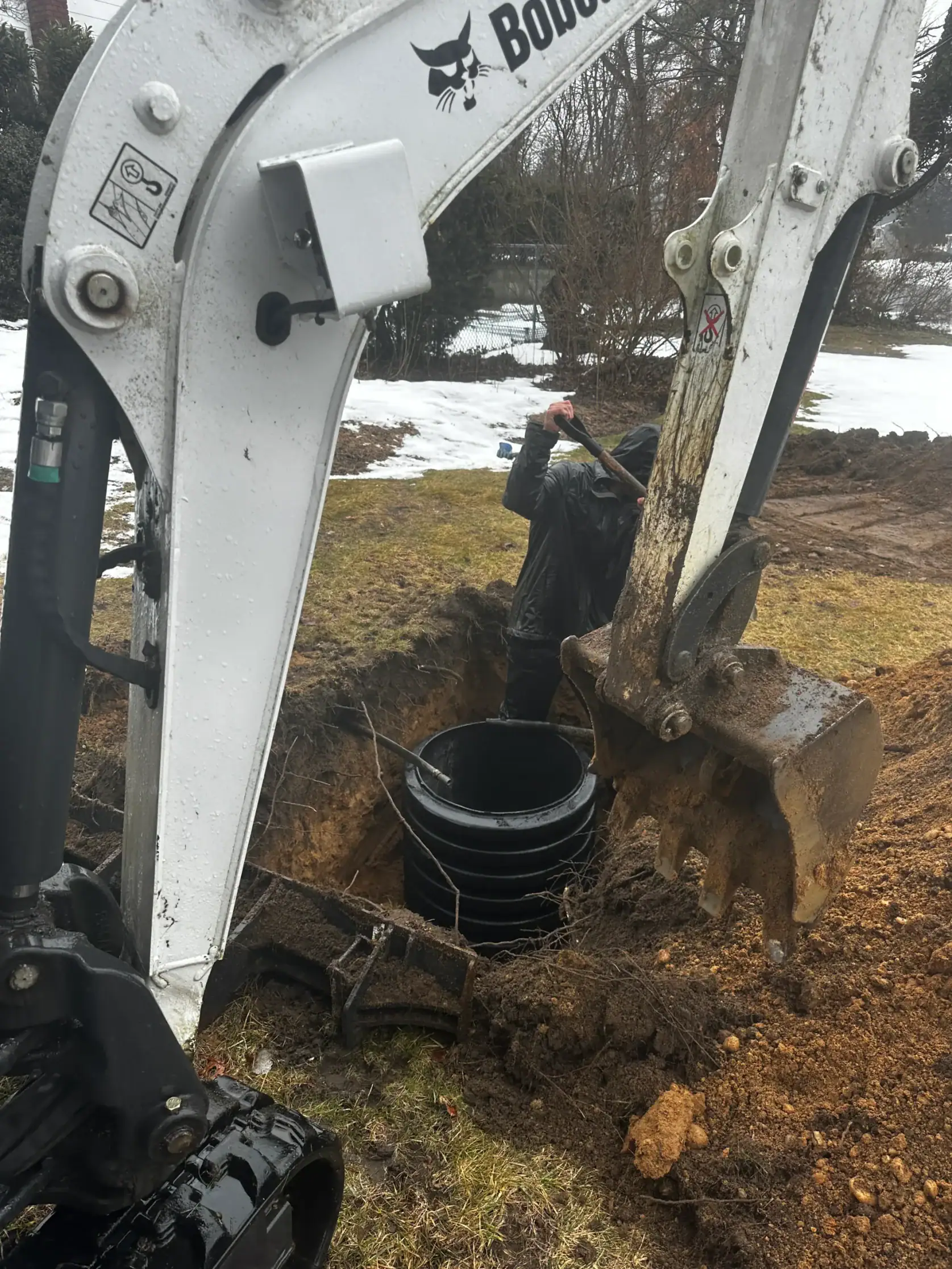
We start by locating your tank and removing the access cover. Then we measure the sludge and scum layers to see how full your tank actually is—not every system needs pumping on the same schedule, and we’re not going to tell you it does.
Once we confirm pumping is needed, we use a vacuum truck to remove all the solids and liquids from your tank. While we’re there, we inspect the baffles, check for cracks or damage, and make sure your system’s components are functioning properly. If something looks off, we’ll let you know what it is and what it means.
After pumping, we backfill the tank with clean water to help it settle and make sure everything’s sealed up correctly. The whole process usually takes about an hour, depending on tank size and access.
You’ll also get a report of what we found during the inspection—helpful if you need documentation for Suffolk County compliance or if you’re preparing to sell your home. We keep records of every service so you don’t have to track it yourself.

Ready to get started?
Septic pumping is the foundation, but your system has other components that need attention too. We handle septic filter cleaning, baffle inspection and repair, and lift station pumping for properties that rely on them. If your drain field is showing signs of trouble, we can assess whether rejuvenation is an option before you’re looking at full replacement.
East Islip homes built before Suffolk County’s 2019 cesspool ban may still have older cesspool systems that require more frequent pumping. We service those too, along with grease trap pumping for any commercial properties in the area. Every system is different, and we adjust our approach based on what you actually have—not what a generic schedule says you should do.
We also offer emergency septic pumping when something goes wrong outside of normal business hours. Backups don’t wait for Monday morning, and neither do we. Whether it’s a routine pump-out or an urgent situation, you’re getting the same honest evaluation and dependable service.
If you’re dealing with slow drains or suspect a blockage in your septic lines, we can handle hydro jetting to clear buildup without damaging your pipes. It’s one more way to keep your system functioning without jumping straight to major repairs.

Most residential septic tanks in East Islip need pumping every two to three years, but that’s not a one-size-fits-all answer. Your household size, water usage, and tank capacity all affect how quickly solids accumulate.
A family of four with a 1,000-gallon tank typically hits the pumping threshold around the three-year mark. If you have a larger household, use a garbage disposal frequently, or have a smaller tank, you might need service sooner. Suffolk County recommends pumping every three years to stay compliant with inspection requirements and prevent solids from reaching your drain field.
The only way to know for sure is to have a professional measure the sludge and scum levels in your tank. We check those levels during every service and let you know when you’re actually due—not just when the calendar says you might be.
Slow drains are usually the first sign. If your sinks, showers, and toilets are all draining slower than normal, your tank is likely full and struggling to handle incoming wastewater.
Foul odors around your yard or near the septic tank area are another red flag. When a tank fills up, gases have nowhere to go and start escaping through vents or even back into your home. You might also notice soggy patches of grass or standing water near your drain field—that’s untreated wastewater surfacing because your system can’t process it anymore.
Gurgling sounds in your plumbing, especially when you flush a toilet or run water, mean air is getting trapped in your lines. That happens when a full tank creates backpressure in your system. If you’re seeing any of these signs, your tank needs attention before it turns into a full backup.
Technically, you could rent equipment and attempt it yourself, but it’s not something most homeowners should take on. Septic tanks contain hazardous gases like methane and hydrogen sulfide, and without proper ventilation and safety equipment, you’re putting yourself at serious risk.
There’s also the issue of disposal. Septic waste can’t just be dumped anywhere—it has to go to an approved treatment facility, and hauling it there requires the right permits and equipment. If you dispose of it improperly, you’re looking at hefty fines and potential environmental contamination.
Beyond safety and logistics, a professional inspection during pumping catches problems early. We check baffles, look for cracks, and assess whether your drain field is showing signs of stress. Those observations can save you from expensive repairs down the line. Pumping your own tank means you miss all of that.
Solids keep building up until they have nowhere to go but into your drain field. Once that happens, the soil around your drain field gets clogged with sludge and stops filtering wastewater properly. You’ll see soggy spots in your yard, smell sewage, and eventually deal with backups inside your home.
A clogged drain field isn’t something you can just pump out and fix. In most cases, it means replacing the entire drain field, which involves excavation, new piping, and a significant disruption to your property. That’s the scenario regular pumping is designed to prevent.
You’re also risking contamination of your groundwater and surrounding soil. Untreated wastewater contains bacteria and pathogens that pose health risks to your family and neighbors. Suffolk County’s mandatory inspection schedule exists to catch these issues before they become environmental hazards. Skipping pumping doesn’t just damage your system—it puts your property and community at risk.
Suffolk County requires septic system inspections every three years, and pumping is usually part of that process. The inspection involves checking the structural integrity of your tank, measuring sludge and scum levels, and making sure baffles and other components are working correctly.
If you’re selling your home, you’ll need a septic inspection to complete the transaction. Buyers want confirmation that your system is functioning properly and won’t need immediate repairs. Even if you’re not selling, regular inspections catch small problems before they turn into expensive failures.
We include a basic inspection with every pump-out at no extra charge. You’ll get a clear picture of your system’s condition and a heads-up if anything needs attention. It’s not about upselling—it’s about making sure you know what’s happening underground so you can plan accordingly.
A septic tank is a two-stage system. Solids settle at the bottom, liquids flow out to a drain field, and the soil filters the wastewater before it reaches groundwater. It’s a complete treatment process that protects your property and the environment.
A cesspool is basically a large pit that collects everything—solids and liquids—and lets it all leach into the surrounding soil. There’s no filtration, no separation, and no real treatment. Cesspools were common in older East Islip homes, but Suffolk County banned new cesspool installations in 2019 because they contribute to groundwater contamination.
If you have a cesspool, it needs to be pumped more frequently than a septic tank because it fills up faster. Eventually, you’ll need to replace it with a proper septic system to meet current regulations. We service both, but if you’re still relying on a cesspool, it’s worth planning for that upgrade sooner rather than later.
Other Services we provide in East Islip