Hear From Our Clients

You stop worrying about whether your drains will back up during a family gathering. You’re not scrambling to find emergency septic pumping in Lake Ronkonkoma at midnight when sewage starts pooling in your yard.
Your system quietly does its job. Toilets flush normally. Showers drain without that slow gurgle that makes you nervous. You’re not dealing with that sewage smell near your tank or watching soggy patches spread across your lawn after it rains.
Regular septic pumping keeps solid waste from building up and clogging your system. In Lake Ronkonkoma, where Suffolk County’s sandy soil and high water table create unique challenges, staying on a pumping schedule means your system handles what you put into it without failing. You’re protecting your property value, avoiding health hazards, and staying compliant with county regulations that now require inspections every three years.
We’ve been handling cesspool pumping and septic system maintenance in Lake Ronkonkoma since 1998. That’s over 25 years of understanding how Suffolk County’s soil conditions affect your system, how the water table fluctuates with Long Island’s weather, and what actually causes septic failures here.
We’re not a franchise. We’re a family-owned operation that lives and works in this community. When you call, you’re talking to people who know Lake Ronkonkoma’s specific septic challenges because we’ve been solving them for decades.
We offer military, first responder, and senior discounts because this community matters to us. We support local veteran organizations like Paws of War. And we’re available 24/7 for emergencies because septic problems don’t wait for business hours.

We start with a septic system inspection to locate your tank and assess its condition. In Lake Ronkonkoma, tanks are often buried deeper than in other areas, and we use our local knowledge to find them efficiently.
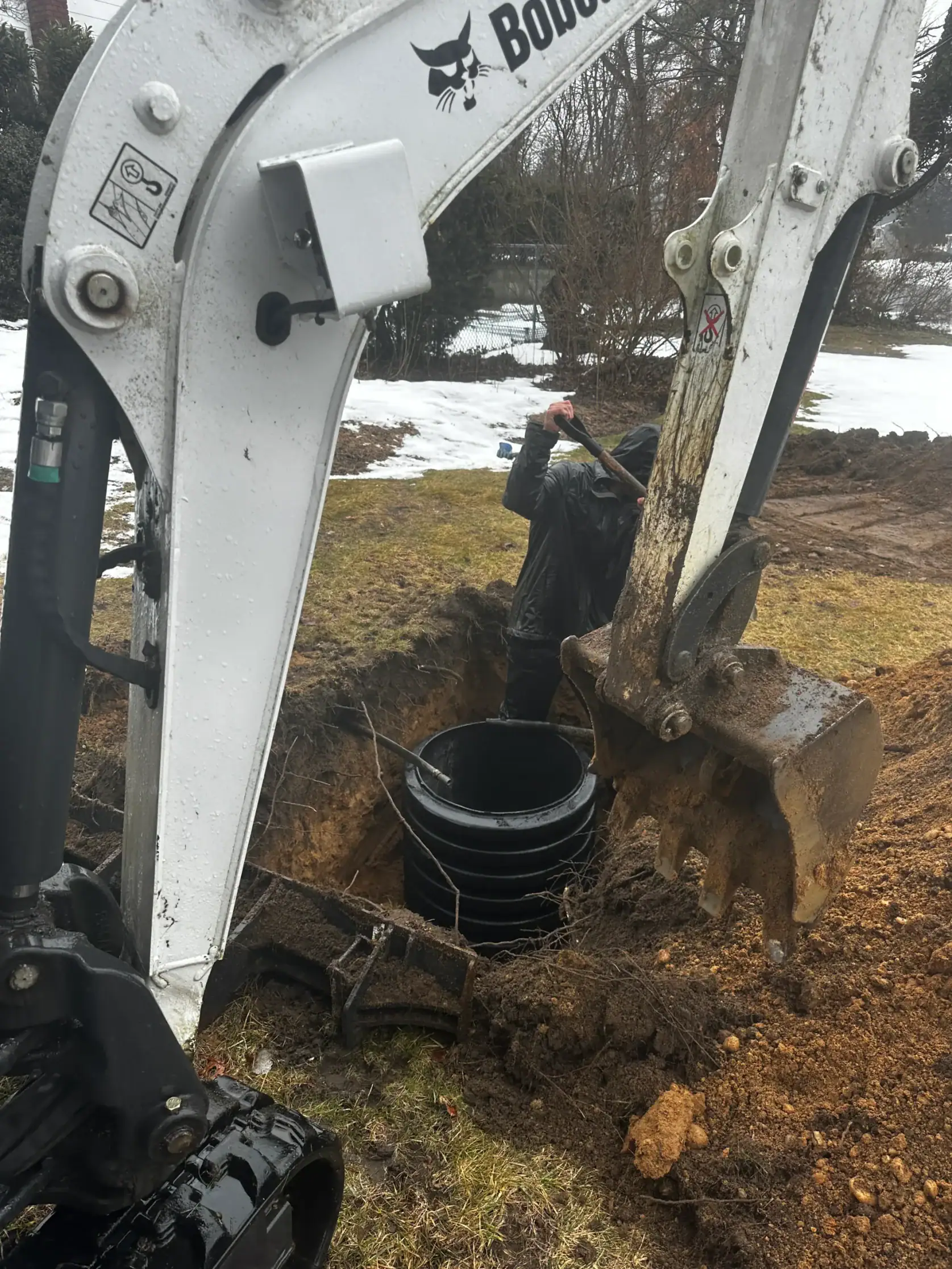
Once we’ve accessed your tank, we pump out all the liquid and solid waste using professional vacuum equipment. This isn’t just about removing what’s floating on top—we’re clearing the entire tank, including the sludge layer at the bottom that causes most system failures. We also check your baffles during this process because damaged baffles let solids escape into your drain field, which leads to expensive problems.
After pumping, we inspect your tank’s structure for cracks or deterioration. We look at your filter if you have one and clean it if needed. We check the liquid level in your overflow cesspool to make sure it’s draining properly. Then we document everything for Suffolk County’s required reporting and give you a clear picture of your system’s condition.
The whole process typically takes 30 to 45 minutes for a standard residential tank. We clean up completely when we’re done, and you’re back to normal operation immediately.

Ready to get started?
Residential septic pumping in Lake Ronkonkoma needs to account for Suffolk County’s high water table. When groundwater levels rise—which happens frequently here—your system fills faster. We schedule based on your household size, water usage, and local conditions, not generic timelines that don’t apply to Long Island.
Commercial septic pumping follows a different schedule because businesses generate more wastewater. Restaurants need grease trap pumping to prevent clogs. Properties with lift stations require specialized maintenance to keep pumps functioning. We handle all of it.
We also provide septic filter cleaning, baffle inspection and repair, and drain field assessment. If your lines are clogged, we use hydro jetting to clear them without damaging your pipes. When Suffolk County requires your three-year inspection, we complete it and submit the documentation to the county database so you stay compliant.
Emergency septic pumping is available 24/7 because backups don’t wait. If you’re dealing with sewage coming up through your drains or pooling in your yard, we respond fast. Same-day septic tank pumping is standard for us when you’re facing an urgent situation.

Suffolk County recommends pumping every three years to prevent solid matter from reaching your overflow cesspool and causing system failure. That’s the baseline, but your actual schedule depends on how many people live in your home and how much water you use.
A household of two might stretch to four years between pumpings. A family of five with high water usage should pump every two years. If you’re running a garbage disposal or doing excessive laundry, you’re adding more solids to your tank, which means more frequent pumping.
Lake Ronkonkoma’s high water table also affects this. When groundwater levels rise during heavy rain periods, your system fills faster because there’s less room for wastewater to drain. We’ve seen tanks that normally go three years need pumping after two because of sustained wet weather. The key is staying ahead of problems rather than waiting for warning signs like slow drains or sewage odors.
Slow drains throughout your house are the first warning. If multiple sinks, tubs, and toilets are draining slowly at the same time, your tank is likely full. One slow drain is usually a clog in that specific line, but when everything slows down together, it’s your septic system.
Gurgling sounds from your toilets or drains when you run water mean air is trapped in your lines because wastewater isn’t flowing out properly. Sewage odors inside your home or in your yard near the tank location tell you gases are escaping because your system is full. Soggy spots or standing water over your tank or drain field—even when it hasn’t rained—mean wastewater is surfacing because it has nowhere else to go.
The worst sign is sewage backing up into your toilets, tubs, or floor drains. If you’re at that point, you need emergency septic pumping immediately. Don’t wait. Sewage exposure creates serious health risks, and the longer it sits, the more damage it causes to your property. In Lake Ronkonkoma’s sandy soil, contamination spreads quickly through the ground.
You legally can’t in Suffolk County. Septic waste must be disposed of at approved facilities, and you need proper licensing to transport it. Beyond the legal issues, septic pumping requires specialized vacuum equipment that costs tens of thousands of dollars.
There’s also the health risk. Septic tanks contain harmful bacteria, viruses, and gases like methane and hydrogen sulfide. Hydrogen sulfide is toxic and can be fatal in enclosed spaces. Opening your tank without proper safety equipment puts you at serious risk.
Professional septic pumping includes inspection of your tank’s structure, baffles, and filter. We catch problems early—like cracks in your tank or damaged baffles—before they turn into expensive repairs. We also know what to look for in Suffolk County’s specific conditions. Lake Ronkonkoma’s high water table and sandy soil create unique issues that homeowners often miss until they’re facing a complete system failure.
Solid waste builds up in your tank until it reaches the outlet baffle. Once solids start flowing into your overflow cesspool or drain field, they clog the soil’s ability to absorb wastewater. In Suffolk County’s sandy soil, this happens faster than in other areas because the soil structure is more fragile.
When your drain field fails, you’re looking at a complete system replacement. That’s not a repair situation. You’re excavating your yard, installing new drain field lines or a new cesspool, and potentially upgrading to meet current Suffolk County regulations. The county banned new cesspool installations in 2019, so if your cesspool fails, you might be required to install a full septic system with a tank and drain field.
You’ll also fail Suffolk County’s mandatory three-year inspection, which creates problems if you’re selling your property or applying for permits. Buyers won’t close on a house with a failed septic system. Banks won’t finance it. You’re stuck making repairs before you can move forward.
The health risks are real too. Failed septic systems contaminate groundwater with bacteria and viruses. In Lake Ronkonkoma, where many homes still use well water, that contamination spreads through the water table and affects your neighbors.
Yes, we’re available 24/7 for septic emergencies. When sewage is backing up into your home or pooling in your yard, you need immediate help. We respond to emergency calls in Lake Ronkonkoma quickly because we understand the urgency and health risks involved.
Same-day septic tank pumping is standard for emergency situations. We’ll assess your system, pump your tank, and identify what caused the problem so you can prevent it from happening again. Sometimes it’s just a full tank that needed pumping. Other times we find damaged baffles, clogged lines, or drain field issues that require additional repairs.
Emergency service does come with higher rates because we’re responding outside normal business hours and prioritizing your situation over scheduled work. But if you’re dealing with sewage in your home, waiting until Monday morning isn’t an option. The longer sewage sits, the more damage it causes to your floors, walls, and belongings. The health risks also increase with exposure time.
We’ll always be honest about whether you’re facing a true emergency or if the situation can wait until regular hours. We’re not here to oversell you on urgent service if it’s not necessary.
Suffolk County now requires septic system inspections every three years with mandatory reporting to the county database. We complete these inspections as part of our pumping service or as a standalone visit if you’re between pumping cycles.
The inspection includes locating and accessing your tank, checking the liquid levels, measuring the sludge and scum layers to determine if pumping is needed, and inspecting the tank’s structural integrity for cracks or deterioration. We examine your baffles to make sure they’re intact and preventing solids from escaping into your drain field. If you have a septic filter, we inspect and clean it.
We also check your overflow cesspool or drain field for signs of failure like standing water, sewage odors, or soggy soil. In Lake Ronkonkoma, we pay special attention to how your system is handling Suffolk County’s high water table because that affects performance significantly.
After the inspection, we document everything and submit the required information to Suffolk County’s database. You receive a detailed report showing your system’s condition and any recommended maintenance or repairs. This documentation is critical if you’re selling your property or need to prove compliance with county regulations.
Other Services we provide in Lake Ronkonkoma