Hear From Our Clients

Your drains flow the way they should. Your toilets flush without that slow, gurgling hesitation. You’re not wondering if today’s the day something backs up into your house.
Most Southampton homes sit on septic systems that need pumping every two to three years. Miss that window and you’re looking at slow drains, sewage odors around your property, or worse—standing water over your cesspool and waste backing up into your home. Those aren’t just inconveniences. They’re health hazards that can damage your property and tank your home’s value.
Regular residential septic pumping in Southampton, NY keeps your system running efficiently. It prevents the kind of failure that forces you into emergency mode, scrambling for help on a Sunday while sewage threatens your basement. When your tank gets pumped on schedule, sludge and solids don’t build up to the point where they clog your drain field or overflow your system.
You protect your investment. You avoid the panic. You keep your home safe and functional without thinking about what’s happening underground.
We’ve been handling septic pumping in Southampton, NY since 1998. We’re a family-owned operation—small team, local roots, and a reputation we’ve built one honest job at a time.
Southampton sits in a county with over 365,000 residential septic systems, more than anywhere else in New York State. Nearly every home here relies on a cesspool or septic tank. We know the soil conditions, the regulations, and what actually works in this area because we’ve been doing this work here for decades.
We’re licensed through Suffolk County Consumer Affairs and fully insured. We offer military, first responder, and senior discounts because we appreciate what those groups do for the community. And we don’t oversell you on services you don’t need—we tell you what’s actually going on with your system and what makes sense to fix.

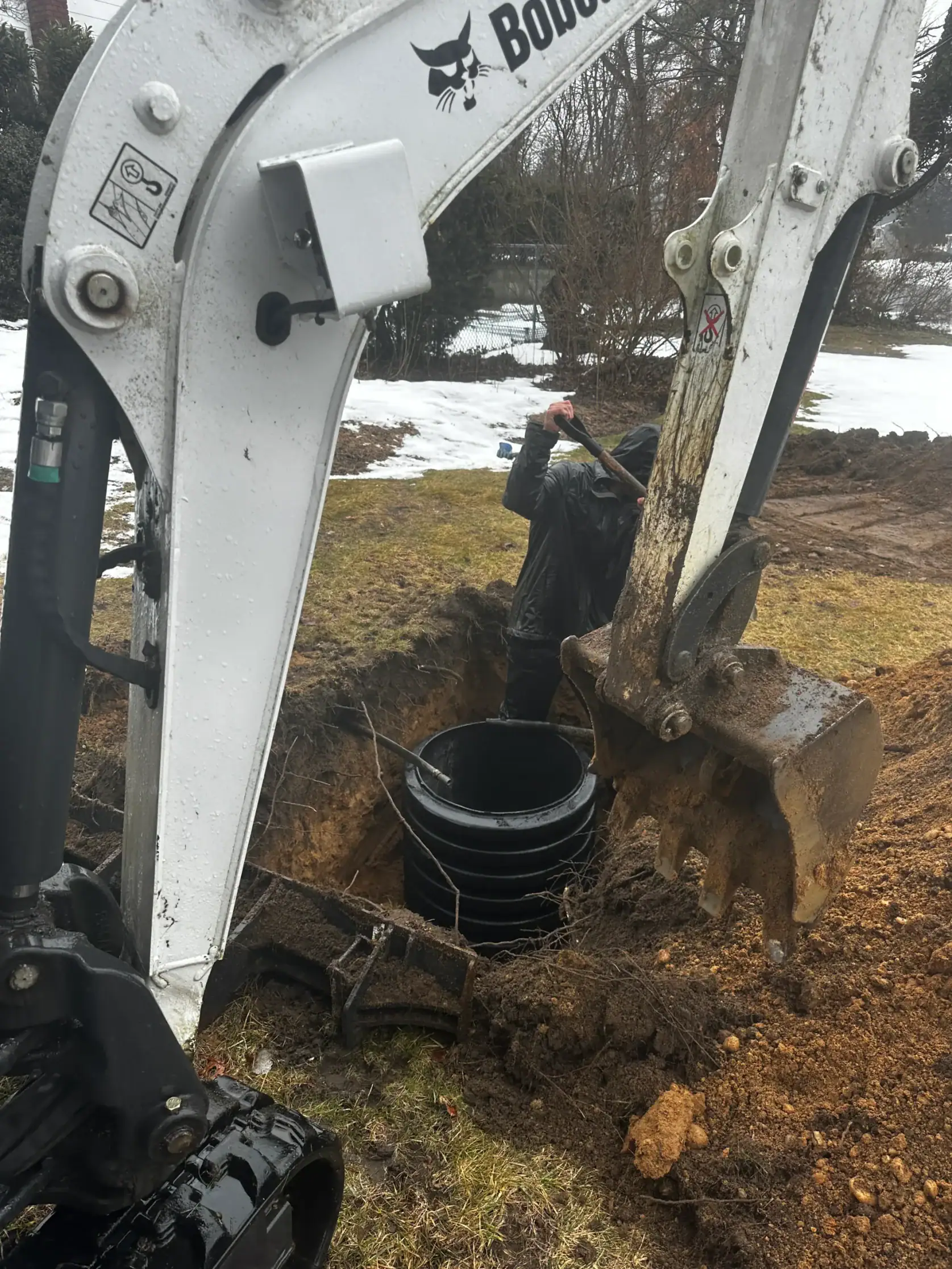
We start by locating and uncovering your septic tank or cesspool. Depending on your property, that might mean digging down to access the lid or opening an existing riser.
Once we’re in, we use a vacuum truck to pump out the liquid, sludge, and solids that have accumulated in your tank. This isn’t just skimming the top—we’re removing everything so your system has room to function properly again. While we’re there, we inspect the tank’s condition, check baffles, and look for any signs of damage or wear that could lead to bigger problems down the line.
After pumping, we make sure the tank is sealed back up correctly. If we spot anything that needs attention—cracks, failing baffles, or issues with your drain field—we’ll let you know what you’re dealing with and what your options are.
The whole process usually takes an hour or two, depending on the size of your tank and how accessible it is. You’re not left guessing what happened or what comes next. We walk you through what we found and when you should schedule your next service.

Ready to get started?
When we handle septic pumping in Southampton, NY, you’re getting a complete job—not just a quick pump-and-go. We locate your tank, pump out all the waste, inspect the system for damage, check your baffles and filters, and give you a clear picture of what’s happening with your setup.
Southampton’s regulatory environment has shifted. Suffolk County now requires nitrogen-reducing systems for most replacements, and inspection schedules are stricter than they used to be. If your system is older, you may qualify for grants to the county’s Septic Improvement Program. We help you understand what’s available and how to access it.
We also handle emergency septic pumping in Southampton, NY when things go wrong outside of business hours. Septic failures don’t wait for Monday morning. If you’re dealing with a backup, standing water, or sewage odors that won’t go away, we’re available around the clock to get your system back online.
Whether you need routine maintenance, a one-time cleaning, or urgent help with a failing system, we’re set up to handle residential and commercial septic pumping across Southampton and the surrounding areas.

Most septic systems in Southampton need pumping every two to three years. That’s the general guideline, but your actual schedule depends on a few factors: how many people live in your home, the size of your tank, and how much water you use daily.
A household of four with a 1,000-gallon tank will fill up faster than a couple living alone with the same setup. If you run a lot of laundry, take long showers, or have guests frequently, you’re adding more wastewater to the system, which means more frequent pumping.
You’ll know it’s time when drains start slowing down, toilets take longer to flush, or you notice sewage smells around your yard. Don’t wait until you’re dealing with a backup. Stick to a regular schedule and you’ll avoid the emergencies that cost significantly more to fix.
Sludge and solids build up in your tank over time. When there’s no room left for new wastewater, it has nowhere to go. That’s when you start seeing slow drains, gurgling pipes, and sewage backing up into your home.
If the tank overflows, solids can move into your drain field and clog the soil. Once that happens, your drain field stops absorbing water properly. Fixing a failed drain field isn’t a simple pump job—it often means excavation, replacement, and expenses that run into the tens of thousands.
You’re also risking contamination of the groundwater. Long Island sits on sandy soil, and wastewater seeps quickly into the aquifer that supplies drinking water. Regular septic tank pumping in Southampton, NY keeps your system functioning and protects the local water supply from nitrogen and other pollutants.
Yes. We offer 24/7 emergency septic pumping in Southampton, NY because system failures don’t happen on a convenient schedule. If you’re dealing with sewage backing up into your house, standing water over your cesspool, or drains that won’t move at all, that’s an emergency.
We’ll get a truck out to your property, assess what’s going on, and pump your tank to relieve the immediate problem. From there, we’ll figure out whether you’re dealing with a simple overflow from lack of maintenance or a bigger issue like a clogged drain field or damaged baffles.
Emergency calls get prioritized, but they’re also more disruptive and stressful than a scheduled maintenance visit. If you’re on top of regular pumping, you’re far less likely to end up in that situation. But if it does happen, we’re available to help any time of day or night.
A septic tank is a sealed, watertight container that separates solids from liquids. Wastewater flows in, solids settle to the bottom, and the liquid effluent moves out to a drain field where it’s absorbed into the soil. It’s a two-part system designed to treat waste before it reaches the ground.
A cesspool is basically a large pit with porous walls. Wastewater flows in and seeps directly into the surrounding soil without any real treatment. Cesspools are older technology, less effective at filtering contaminants, and more prone to failure as the soil around them clogs up over time.
Suffolk County banned new cesspool installations back in 2019 because of the environmental impact—cesspools leak nitrogen, phosphorus, and other pollutants straight into the groundwater. If you still have a cesspool on your property, it’ll need regular pumping just like a septic tank. Eventually, you’ll likely need to upgrade to a modern system, especially if you’re doing any major renovations or if the cesspool fails.
Yes. Every time we pump a septic tank in Southampton, NY, we’re looking at the condition of the system while we’re in there. We check the baffles to make sure they’re intact and doing their job of keeping solids out of the drain field. We inspect the tank walls for cracks or signs of deterioration. We look at the inlet and outlet pipes for blockages or damage.
If your system has a filter, we’ll clean or replace it as needed. If there’s standing water where there shouldn’t be, or if the sludge level is unusually high, we’ll let you know what that means and whether you need to adjust your pumping schedule.
We’re not running a full septic inspection like you’d get before selling a home, but we’re giving you a solid overview of how things are holding up. If we see something that needs attention—whether it’s a minor repair or a sign that your system is nearing the end of its life—we’ll walk you through it and explain your options without pushing you into anything you don’t need.
No. Septic additives—whether they’re chemical treatments or biological products—don’t replace the need for regular pumping. Some of them claim to break down solids or reduce sludge buildup, but they don’t eliminate the waste. It still accumulates in your tank.
In fact, certain additives can actually harm your system. Harsh chemicals can kill the beneficial bacteria that help break down waste naturally, and some products can push solids into your drain field, causing clogs that are expensive to fix.
The only way to remove sludge and solids from your septic tank is to pump them out. There’s no shortcut, no magic product that does the job for you. If someone’s selling you on skipping pumping because of an additive, they’re either misinformed or trying to sell you something that doesn’t work. Stick to a regular pumping schedule and your system will last longer and perform better.
Other Services we provide in Southampton