Hear From Our Clients

You stop worrying about whether your toilets will flush properly or if that smell in the yard means trouble. Your drains move water the way they should. No slow sinks, no gurgling sounds, no wet spots forming over your drain field.
Regular septic pumping in Northport, NY means your system handles what your household throws at it without backing up into your home. You’re not dealing with emergency situations on Saturday mornings or scrambling to find someone who can help when sewage starts surfacing in your yard.
Your septic system has a job to do, and when it’s maintained properly, it does that job quietly. You get to use your plumbing without thinking about it. That’s what regular maintenance actually buys you—one less thing demanding your attention.
We’ve handled septic systems across Suffolk County for over 25 years at AAA Dependable Cesspool Sewer & Drain. We’re a family-owned operation, which means when you call, you’re talking to people who actually care about getting it right.
Northport’s sandy soil and high water table create specific challenges for septic systems. We’ve seen what happens when tanks aren’t pumped on schedule here. We know which properties need more frequent service and why certain systems fail faster than others in this area.
We’re licensed, insured, and we don’t oversell services you don’t need. We also offer discounts for military members, first responders, and seniors because that’s how local businesses should operate.

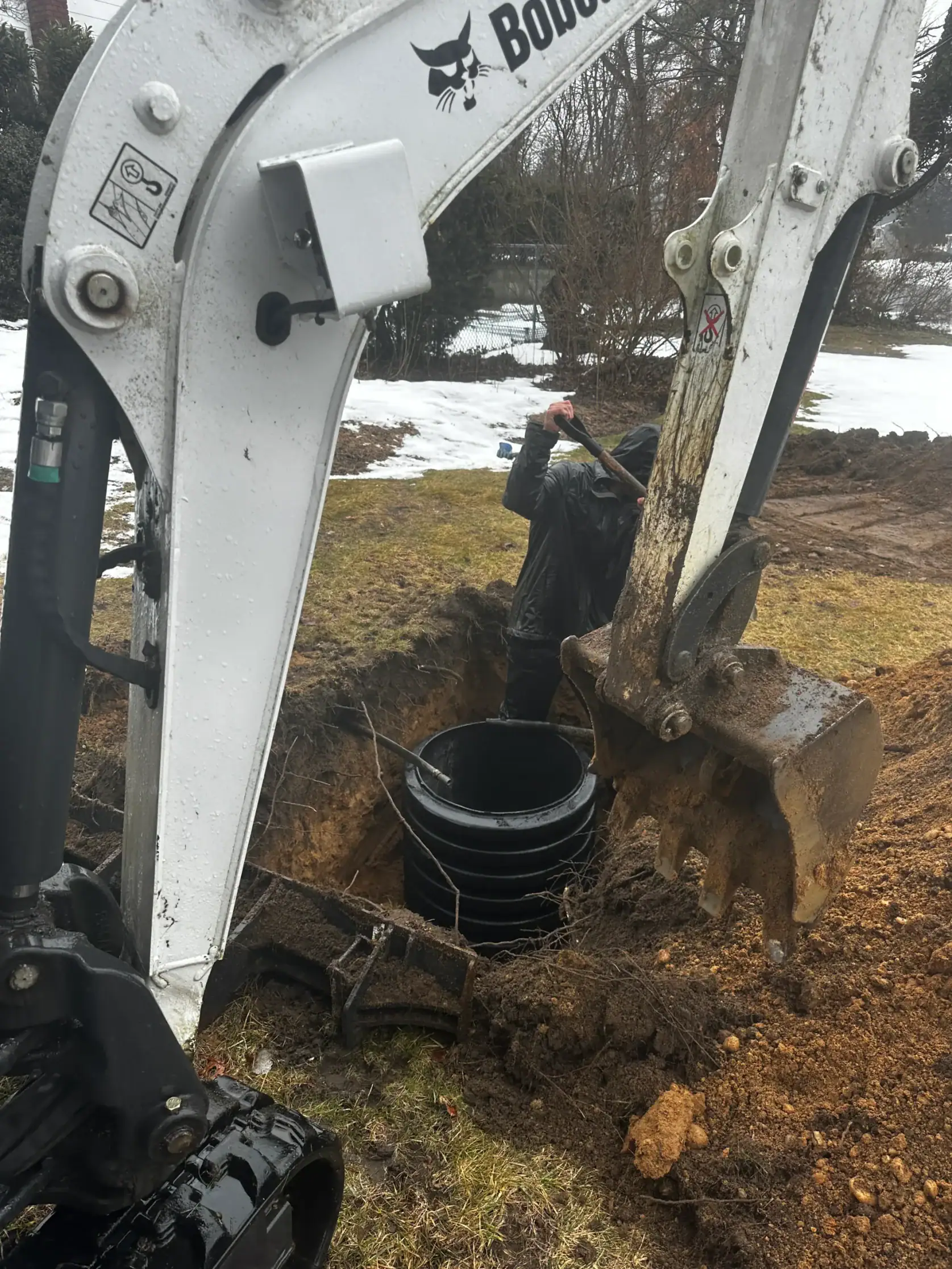
We start by locating and uncovering your tank. Some are easy to access, others require a bit of digging. Once we’re in, we pump out all the solid waste and liquid from your tank using our vacuum truck.
While we’re pumping, we inspect your baffles, check your filter if you have one, and look for any signs of damage or wear. If something looks off, we’ll tell you. If everything looks good, we’ll tell you that too.
After pumping, we make sure your tank is properly closed and secured. We’ll let you know when you should schedule your next service based on your household size and usage. Most residential septic pumping in Northport, NY happens every two to three years, but your situation might be different.
The whole process usually takes about an hour, depending on tank size and access. You don’t need to be home the entire time, but it helps if someone’s available to show us where the tank is located if it’s not obvious.

Ready to get started?
Every septic tank pumping service in Northport, NY includes complete tank evacuation, not just a quick pump and run. We remove all the sludge and scum layers that build up over time, which is what actually causes system failures.
You also get a visual inspection of your tank’s condition. We check the structural integrity, look at your inlet and outlet baffles, and inspect your filter if your system has one. If we spot cracks, deterioration, or components that need attention, we document it and walk you through what it means.
For commercial septic pumping in Northport, NY, we handle larger tanks, grease traps, and lift stations. Restaurants, offices, and multi-unit properties have different demands than residential systems. We adjust our service schedule and approach based on your actual usage patterns, not just generic recommendations.
Suffolk County has strict regulations about septic waste disposal. We’re fully compliant and provide documentation when needed. Your waste gets disposed of properly at approved facilities, which protects you from potential violations.

Most residential systems in Northport, NY need septic pumping every two to three years. That’s the standard recommendation, but your actual schedule depends on tank size and how many people live in your home.
A family of five using a 1,000-gallon tank will fill it faster than two people using the same size tank. If you’re running a garbage disposal regularly, hosting frequent guests, or doing excessive laundry, you’re adding more solids to your system than average households.
Northport’s sandy soil and high water table also affect how your system processes waste. These conditions can accelerate problems if you skip pumping. The safest approach is sticking to a regular schedule rather than waiting for warning signs, because by the time you notice slow drains or odors, you’re already behind.
Your tank fills with solid waste that has nowhere to go. Once the solids reach a certain level, they start flowing into your drain field, which isn’t designed to handle them. That’s when your system stops working properly.
You’ll notice slow drains throughout your house first. Then gurgling sounds from your plumbing. Eventually, sewage backs up into your home or surfaces in your yard. At that point, you’re not just looking at emergency septic pumping in Northport, NY—you might be facing drain field repairs or full system replacement.
The solids that escape into your drain field can clog the soil permanently. That’s not something pumping fixes. Suffolk County requires failed drain fields to be replaced, which means permits, excavation, and significant expense. Regular pumping every few years prevents all of that.
Yes, we offer same-day emergency septic pumping in Northport, NY when you’re dealing with backups or urgent situations. We understand that septic emergencies don’t wait for convenient times.
If you’re experiencing sewage backing up into your home, standing water over your drain field, or strong sewage odors indicating overflow, that’s an emergency. We prioritize these calls and get someone to your property as quickly as possible.
For routine maintenance, we can usually schedule you within a few days. Emergency situations get bumped to the front of the line. We also provide 24/7 septic service in Northport, NY, because septic problems don’t only happen during business hours. When you call, you’ll talk to someone who can actually help, not an answering service reading from a script.
We handle both residential septic pumping in Northport, NY and commercial septic pumping in Northport, NY. The process is similar, but commercial properties usually need more frequent service and have different system configurations.
Restaurants require grease trap pumping to prevent fats and oils from entering the septic system. Office buildings and retail spaces with high daily occupancy need larger tanks pumped more often. We also service lift stations, which many commercial properties use to move wastewater.
Each commercial property gets a service schedule based on actual usage, tank capacity, and local regulations. Suffolk County has specific requirements for commercial septic systems, and we make sure your property stays compliant. We work around your business hours when possible so service doesn’t disrupt your operations.
Slow drains throughout your entire house—not just one sink or toilet—usually mean your tank is full. If water drains slowly from multiple fixtures, your septic system is struggling to accept more wastewater.
Gurgling sounds from your plumbing, especially toilets, indicate air trapped in your lines because wastewater isn’t flowing properly. Sewage odors in your yard, particularly near your drain field or tank location, mean waste is surfacing where it shouldn’t be.
Wet, soggy spots over your drain field or lush grass growing in patches above your system are red flags. Your septic system shouldn’t create noticeably greener or wetter areas in your yard. If you’re seeing any of these signs, you need septic system inspection in Northport, NY right away. Waiting makes the problem worse and more expensive to fix.
Northport sits on sandy soil with a high water table, which affects how septic systems function. Sandy soil drains quickly, but it also means contaminants can travel faster if your system fails. The high water table puts pressure on tanks and drain fields, especially during wet seasons.
These conditions mean septic tanks can fill faster here than in areas with different soil composition. Systems that aren’t pumped regularly are more likely to fail because the water table doesn’t give you much buffer when things go wrong.
Suffolk County also enforces strict septic regulations because of these environmental factors. Failed systems can contaminate groundwater quickly in this area. That’s why cesspool pumping in Northport, NY and regular septic maintenance aren’t just about convenience—they’re about protecting your property value and avoiding county violations that come with mandatory upgrade requirements.
Other Services we provide in Northport