Hear From Our Clients

You avoid the sewage backup that floods your yard during a family gathering. You skip the frantic calls when toilets won’t flush and drains won’t clear. You don’t deal with the health department showing up because your system failed inspection.
Regular cesspool pumping in Hampton Bays means your system gets emptied before it becomes a problem. Most residential cesspools here hold between 1,000 and 1,500 gallons, and they need attention every few years depending on how many people live in your home and how much water you use.
When solid waste hits 25-30% of your tank’s capacity, it’s time. Wait longer and you’re looking at overflow, contamination, and repairs that could have been avoided. The sandy soil conditions in Hampton Bays don’t give you much margin for error.
Professional service means you get documentation that satisfies Suffolk County requirements. That matters when you’re selling your home or pulling permits. It also means someone who knows what they’re doing is checking your system while they’re there, not just pumping and leaving.
We’ve been handling cesspool and septic work in Suffolk County for over two decades. We’re not a national franchise. We’re a small, family-owned operation that shows up when we say we will and does the work right.
You’re not getting a different crew every time or someone reading from a script. You’re working with people who know Hampton Bays, understand the local soil conditions, and have seen what happens when systems get neglected in this area.
We keep things straightforward. No upselling services you don’t need. No vague timelines or surprise fees. Just honest communication about what your system needs and when it needs it. That’s how we’ve stayed in business this long.
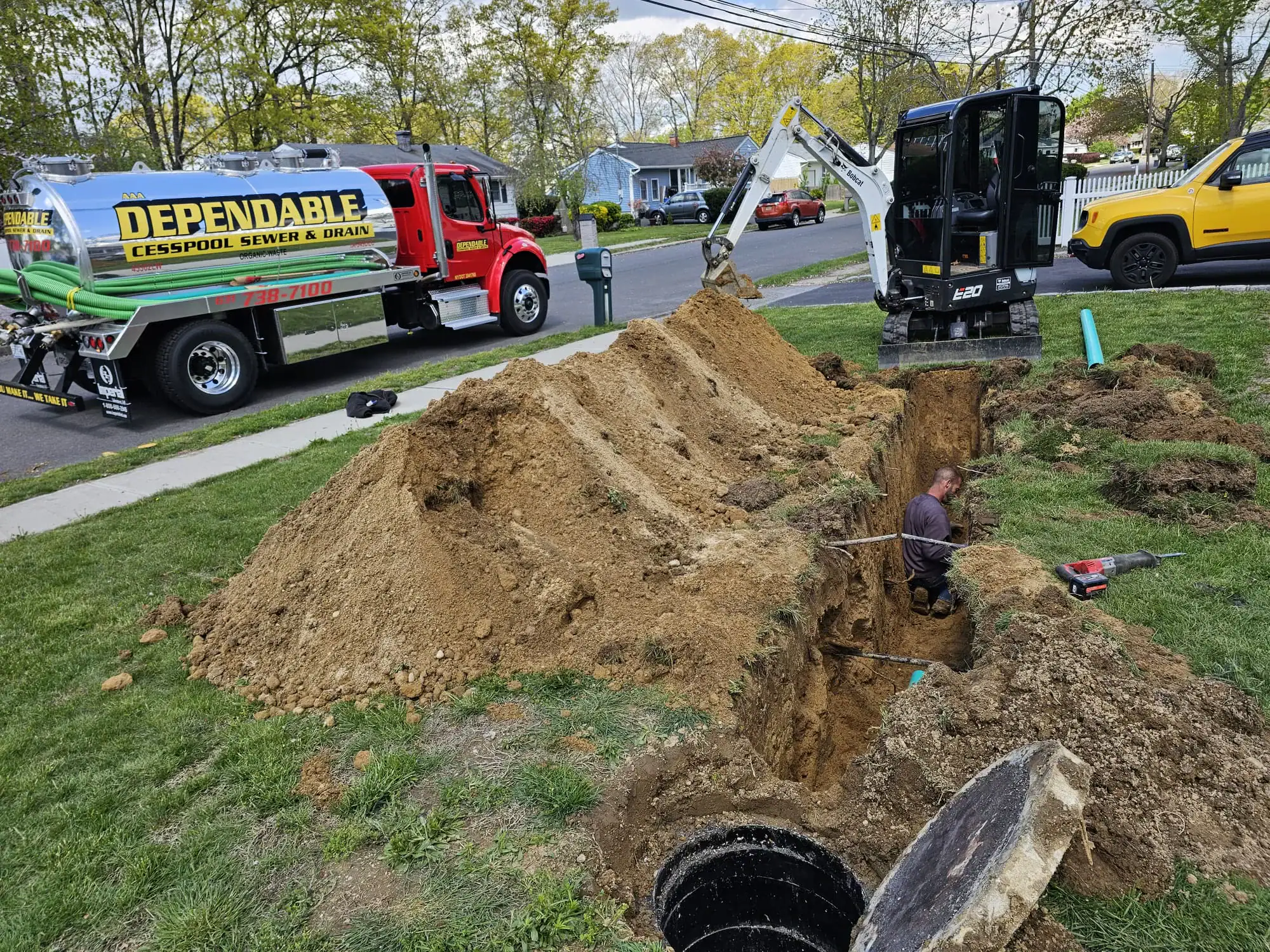
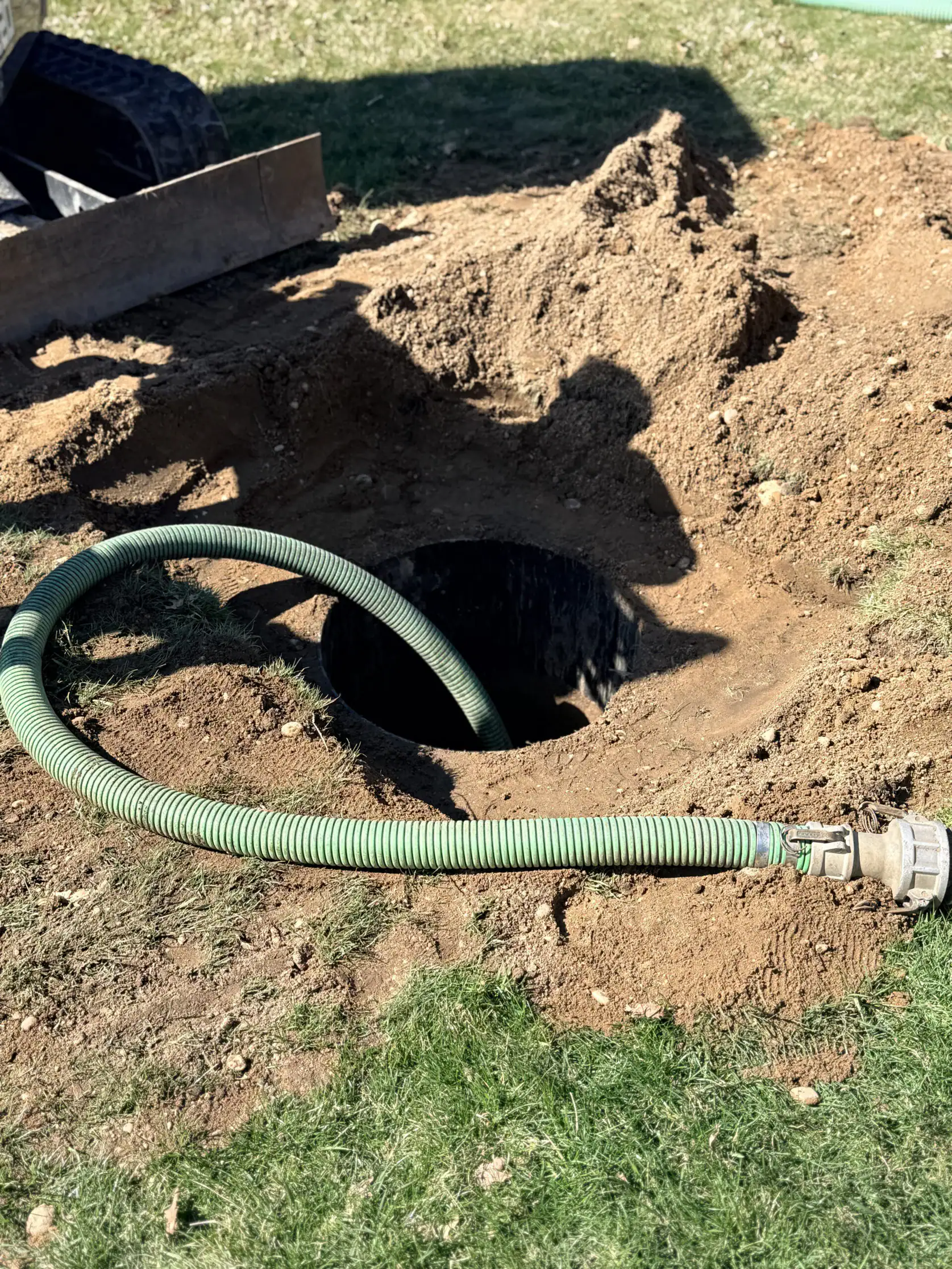
First, we locate and access your cesspool. Depending on your property, that might mean uncovering the tank or accessing it through existing openings. We’re not tearing up your yard unnecessarily.
Next, we use specialized vacuum trucks with dual-stage pumping systems to remove all the accumulated waste and sludge. These trucks hold up to 3,800 gallons, so we can handle residential and commercial cesspool pumping in Hampton Bays without multiple trips. Complete removal matters because partial pumping just delays the problem.
While we’re pumping, we’re also checking the structural condition of your system. Cracks, deterioration, unusual settling – these things tell us if you’re headed for bigger issues down the road. You get that information upfront, not when your system fails.
After pumping, all waste gets transported to approved disposal facilities. You receive documentation showing waste volumes removed and disposal receipts. That paperwork proves compliance with Suffolk County regulations and protects you during property transfers or inspections.
The whole process typically takes a few hours, depending on tank size and access. You’re not waiting around all day, and your system is back to functioning properly when we leave.
Ready to get started?
We offer same-day cesspool pumping in Hampton Bays when you’re dealing with backups or overflow. System failures don’t wait for business hours, and neither do we. Our average response time for emergencies runs under 75 minutes.
You also get 24/7 cesspool service in Hampton Bays for urgent situations. Sewage backing up into your home or pooling in your yard creates immediate health hazards. Fast response limits property damage and gets your household back to normal.
Every service includes thorough waste removal using equipment designed for complete pumping. Partial jobs leave sludge behind that accelerates system failure. We also provide detailed documentation of waste volumes and system condition, which satisfies county requirements and gives you records for future reference.
Hampton Bays properties deal with specific challenges. The sandy soil here doesn’t filter waste as effectively as other soil types, and many homes have older cesspool systems that need closer monitoring. Seasonal population changes also affect system load, especially if you rent your property or have extended family visiting during summer months.
Suffolk County regulations have gotten stricter. Since 2019, any cesspool replacement requires adding a septic tank. That makes maintaining your current system more important than ever. Regular pumping extends system life and delays expensive replacement requirements.

Most residential cesspools in Hampton Bays need pumping every two to five years. That range depends on your household size, daily water usage, and tank capacity.
A family of four using a 1,000-gallon cesspool will need service more frequently than two people with a 1,500-gallon system. Garbage disposals, water softeners, and high-efficiency washing machines also affect how quickly your tank fills.
The 25-30% rule applies here. When solid waste and sludge reach about a quarter of your tank’s total capacity, it’s time to pump. Waiting until you see backups or slow drains means you’ve already let it go too long. Certified technicians can measure waste levels during service and give you a realistic timeline for your next pumping based on your actual usage patterns.
Sewage backing up into your drains is the most obvious sign. If toilets won’t flush properly, sinks drain slowly, or you’re seeing wastewater coming back up, your cesspool is likely full.
Foul odors around your property, especially near the tank location, indicate your system is overloaded. You might also notice wet spots or unusually green grass above the cesspool, which means effluent is reaching the surface.
Gurgling sounds from drains when you run water suggest your system can’t handle incoming flow. These warning signs mean you need emergency cesspool pumping in Hampton Bays before you’re dealing with complete system failure. Ignoring them leads to property contamination, health hazards, and significantly higher repair expenses. The longer you wait after seeing these signs, the worse the damage gets.
You shouldn’t attempt this yourself. Cesspools contain toxic gases like methane and hydrogen sulfide that can cause unconsciousness or death within minutes. Professional crews use proper ventilation equipment and safety protocols.
You also need specialized vacuum trucks capable of complete waste removal. Partial pumping or improper technique leaves sludge behind, which defeats the purpose. Licensed contractors have equipment designed specifically for thorough cesspool and septic tank pumping.
Suffolk County requires proper waste disposal at approved facilities. You can’t just pump a cesspool and dump the waste anywhere. Professionals handle transportation and provide documentation proving legal disposal, which protects you from environmental violations and fines. You also need those records for property sales and permit applications. DIY pumping creates liability, health risks, and compliance problems that far outweigh any perceived savings.
Your cesspool will eventually overflow. Solid waste builds up until there’s no room for incoming wastewater, forcing sewage back through your drains or up through the ground above your tank.
That overflow contaminates your property and creates serious health hazards. Raw sewage contains bacteria, viruses, and parasites that cause illness. It also damages your foundation, kills vegetation, and can seep into groundwater.
You’re also looking at significantly higher expenses. Emergency cesspool pumping in Hampton Bays during a backup situation often requires additional cleanup and remediation work. Suffolk County can issue fines for systems that leak untreated waste. In severe cases, you might face mandatory system replacement, which runs into thousands of dollars. Regular maintenance pumping prevents all of this. The system lasts longer, you avoid emergency repairs, and you stay compliant with local regulations without the stress of dealing with failures.
Commercial cesspool pumping in Hampton Bays typically requires more frequent service because businesses generate higher wastewater volumes than homes. Restaurants, hotels, and retail establishments with bathrooms put significantly more load on their systems.
The pumping process itself is similar, but scheduling matters more. Businesses can’t afford downtime during peak hours, so service often happens early morning or late evening. Commercial systems also face stricter inspection requirements and need detailed documentation for health department compliance.
Tank sizes vary widely in commercial properties. Some businesses have multiple cesspools or larger capacity systems that require specialized equipment. Grease traps in restaurants add another layer of maintenance. The key difference is frequency and timing – commercial properties usually need pumping at least annually, sometimes more often depending on usage. Neglecting commercial cesspool maintenance leads to business interruptions, health code violations, and reputation damage that affects your bottom line.
You get official records showing the volume of waste removed from your system, the date of service, and receipts proving proper disposal at licensed facilities. This documentation satisfies Suffolk County requirements and protects you during property transactions.
The paperwork also includes notes about your system’s structural condition. If technicians spot cracks, unusual settling, or deterioration during pumping, that information goes in your service record. You’ll know if repairs are needed before your system fails completely.
These records matter when you’re selling your home. Suffolk County requires cesspool pumping documentation for property transfers and renovation permits. Missing records can delay closings or force you to pump the system again just to get the paperwork. Keep your service documentation with other important property records. It proves you’ve maintained your system properly and gives buyers or inspectors the compliance information they need without creating unnecessary complications.
Other Services we provide in Hampton Bays