Hear From Our Clients
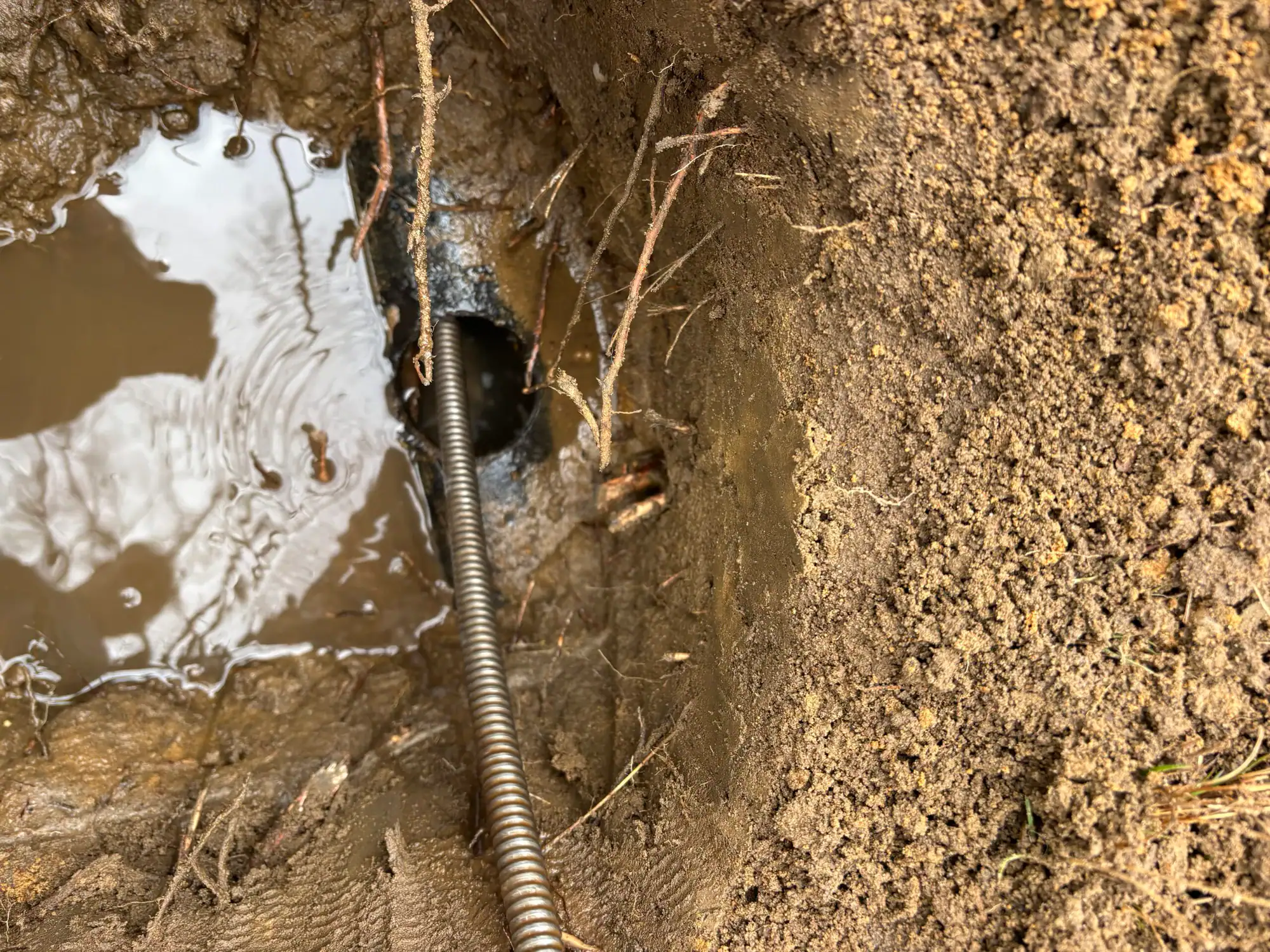
When your cesspool is installed correctly the first time, you’re not dealing with backups during family gatherings or soggy yards after every rainstorm. The system handles your household waste without creating emergencies that disrupt your life.
Greenlawn properties sit on soil that doesn’t always cooperate. Clay layers slow drainage, especially during wet seasons. A proper installation accounts for these conditions before the first shovel hits dirt, not after problems start showing up.
Suffolk County draws hard lines on setbacks and environmental standards. Your installation needs to meet those requirements while actually functioning for your property’s specific layout and usage. That’s where experience with local conditions makes the difference between a system that works and one that becomes a recurring headache.
We’ve handled cesspool installation in Greenlawn, NY since 1998. We’re a family-owned operation that knows how Suffolk County regulations affect your property and what actually works in this area’s soil conditions.
Our team holds the required Suffolk County Consumer Affairs licenses and maintains full insurance coverage. We’ve completed hundreds of installations across Long Island, which means we’ve seen what happens when systems are designed right and when they’re not.
We handle the permit applications, coordinate inspections, and work with local officials who know us. That familiarity speeds up approvals and keeps your installation moving forward instead of sitting in bureaucratic limbo.

Your cesspool installation in Greenlawn starts with a site assessment. We evaluate your property’s soil through percolation testing, which tells us how quickly water drains and what system size you actually need. Clay soils require different approaches than sandy areas, and Greenlawn has both.
Next comes the permit process. We submit applications to Suffolk County with soil testing documentation, system design plans, and site layouts. This typically takes two to four weeks. We handle the paperwork and coordinate with county officials so you’re not navigating that process alone.
Once permits are approved, installation begins. We excavate according to the approved plan, maintaining required setbacks from wells and property lines. The concrete tank goes in, distribution pipes are positioned based on soil conditions, and everything gets inspected before backfill. Most residential cesspool installations take two to three days from excavation to final grading.
After installation, you receive documentation for your property records and warranty coverage for materials and workmanship. Your system is ready to handle household waste according to Long Island environmental standards.

Ready to get started?
Your cesspool installation in Greenlawn includes complete permit handling from application through final inspection. We manage the Suffolk County approval process, including all required documentation and coordination with local officials.
Site preparation accounts for Greenlawn’s specific soil conditions. Our percolation testing determines proper system sizing and placement. We design the installation to handle your household’s water usage while meeting environmental requirements for this area.
The installation uses approved materials that meet Long Island standards. Concrete tanks resist the cracking and settling that plague older systems. PVC distribution pipes handle root intrusion and chemical exposure better than outdated materials. Everything is positioned to maintain required setbacks while maximizing your property’s usable space.
You get a system designed for Long Island’s clay soil challenges and seasonal drainage issues. Heavy rain periods that overwhelm poorly designed cesspools won’t back up into your home when the system is built to handle local conditions. That’s the difference between reactive repairs and proactive installation.
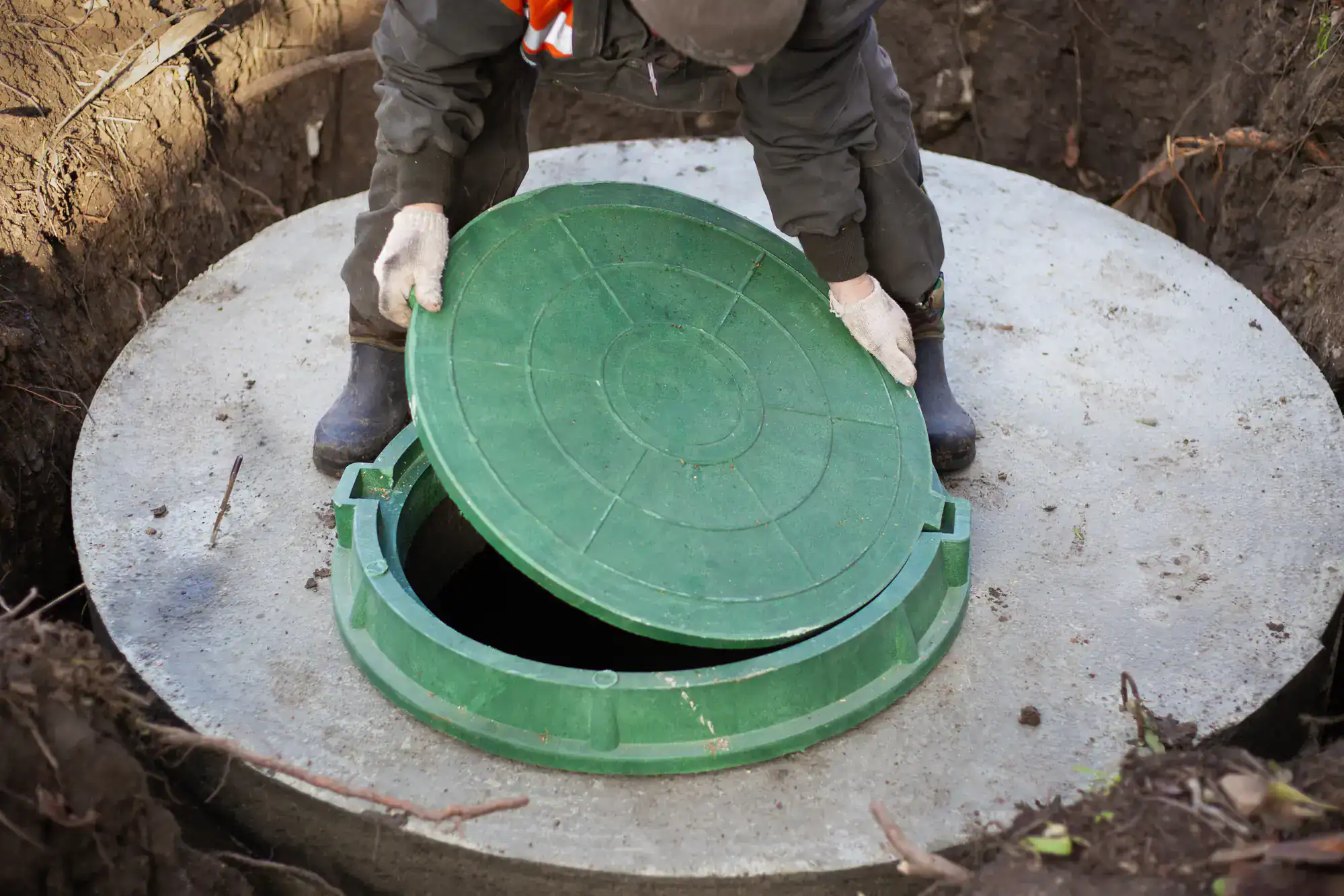
Suffolk County requires permits for all new cesspool installations in Greenlawn. The application process involves submitting soil testing results, system design plans, and site layouts that show setback distances from wells and property lines.
Your installation must maintain at least 100 feet from water wells and 20 feet from property lines. These aren’t suggestions—they’re enforced requirements. Missing them means facing fines and having to relocate your system.
We handle the entire permit process as part of your installation. That includes preparing documentation, submitting applications, and coordinating inspections. The approval timeline typically runs two to four weeks, depending on county workload and whether any site-specific issues need addressing.
Greenlawn properties often have clay soil layers that slow drainage significantly. When water can’t percolate through soil fast enough, cesspools back up or create waterlogged areas in your yard. That’s especially problematic during spring and after heavy rainfall.
Proper installation requires percolation testing before design work begins. This testing measures how quickly water moves through your specific soil. Clay areas need larger distribution systems or modified designs to handle slower absorption rates.
Sandy soil drains faster but requires different considerations for system sizing. Your installation needs to match your property’s actual soil conditions, not generic specifications. That’s why site-specific testing matters more than assumptions based on neighboring properties.
The physical installation of a residential cesspool system typically takes two to three days. That includes excavation, tank placement, distribution pipe installation, inspection, and backfilling. Weather can extend this timeline if heavy rain makes excavation unsafe or soil conditions unstable.
Permit approval adds two to four weeks before installation begins. Suffolk County reviews applications, soil testing results, and design plans before issuing permits. This timeline varies based on county workload and whether your application requires additional review.
Total time from initial site assessment to completed installation usually runs four to six weeks. Emergency cesspool replacement can move faster when health hazards exist, but proper installation still requires permits and inspections. Rushing the process creates compliance problems and system failures down the road.
If your existing cesspool fails while planning a new installation, that creates an immediate health hazard. Sewage backing into your home or pooling in your yard requires emergency response to protect your family and property.
We provide 24/7 emergency service throughout Greenlawn for these situations. Temporary measures can contain the problem while permits process for your new installation. This might include emergency pumping or temporary waste handling, depending on the failure severity.
Suffolk County may expedite permits when documented health emergencies exist. However, proper installation still requires soil testing, approved designs, and inspections. The goal is moving quickly without cutting corners that create future problems with your new system.
Suffolk County banned traditional cesspool installation starting July 2019 for most new construction and replacements. The county identified cesspools as the primary source of nitrogen pollution degrading Long Island’s groundwater and drinking water supply.
Current regulations require nitrogen-reducing septic systems for most installations. These systems remove up to 70% of nitrogen from wastewater before it enters groundwater. They function similarly to traditional cesspools but include additional treatment components.
Your specific property requirements depend on location, proximity to sensitive environmental areas, and local ordinances. We evaluate your property against current Suffolk County regulations and determine which system type meets compliance requirements. All our installations use approved systems that meet environmental standards for Greenlawn properties.
Improper sizing causes most premature failures. When your system is too small for household water usage, it can’t process waste quickly enough. This leads to backups, especially during high-usage periods or wet weather when soil absorption slows.
Poor placement relative to soil conditions creates chronic problems. Installing a cesspool in a clay-heavy area without accounting for slow drainage means the system never functions properly. Water tables that rise seasonally can also overwhelm poorly positioned systems.
Skipping required permits and inspections often means the installation doesn’t meet Suffolk County standards. This creates compliance issues and functional problems. Proper installation following local regulations and accounting for Greenlawn’s specific soil conditions prevents these failures before they start.
Other Services we provide in Greenlawn