Hear From Our Clients

You’re about to close on a property in Greenlawn, NY, and your lender wants proof the septic system works. That’s not optional anymore. Suffolk County requires documentation for any real estate transaction involving a cesspool or septic system, and mortgage companies won’t approve financing without it.
A real estate septic inspection in Greenlawn, NY gives you a complete picture of what’s underground. We run a camera through the entire system—tank, lines, distribution box—and measure everything with footage counters so you know exactly where problems are if we find them.
You’ll get digital documentation that satisfies your lender, your attorney, and the health department. More importantly, you’ll know if that system is going to last another decade or fail in two years. That changes how you negotiate, what you ask the seller to fix, and whether you walk away or move forward with confidence.
We’ve been inspecting cesspool and septic systems across Suffolk County since 1998. Greenlawn, NY properties come with their own quirks—older cesspools that predate current regulations, systems installed in the 70s and 80s that are reaching end of life, and newer installations that still need verification before a sale goes through.
We’re a small, family-owned operation. You’re not getting a different crew every time or a salesperson who doesn’t know the difference between a distribution box and a pump chamber. We show up, run the inspection, and tell you what we found—not what we think you want to hear.
If your system passes, we document it and get the paperwork where it needs to go. If it doesn’t, we explain what’s wrong and what your options are. No upselling. No scare tactics. Just the information you need to make a decision.

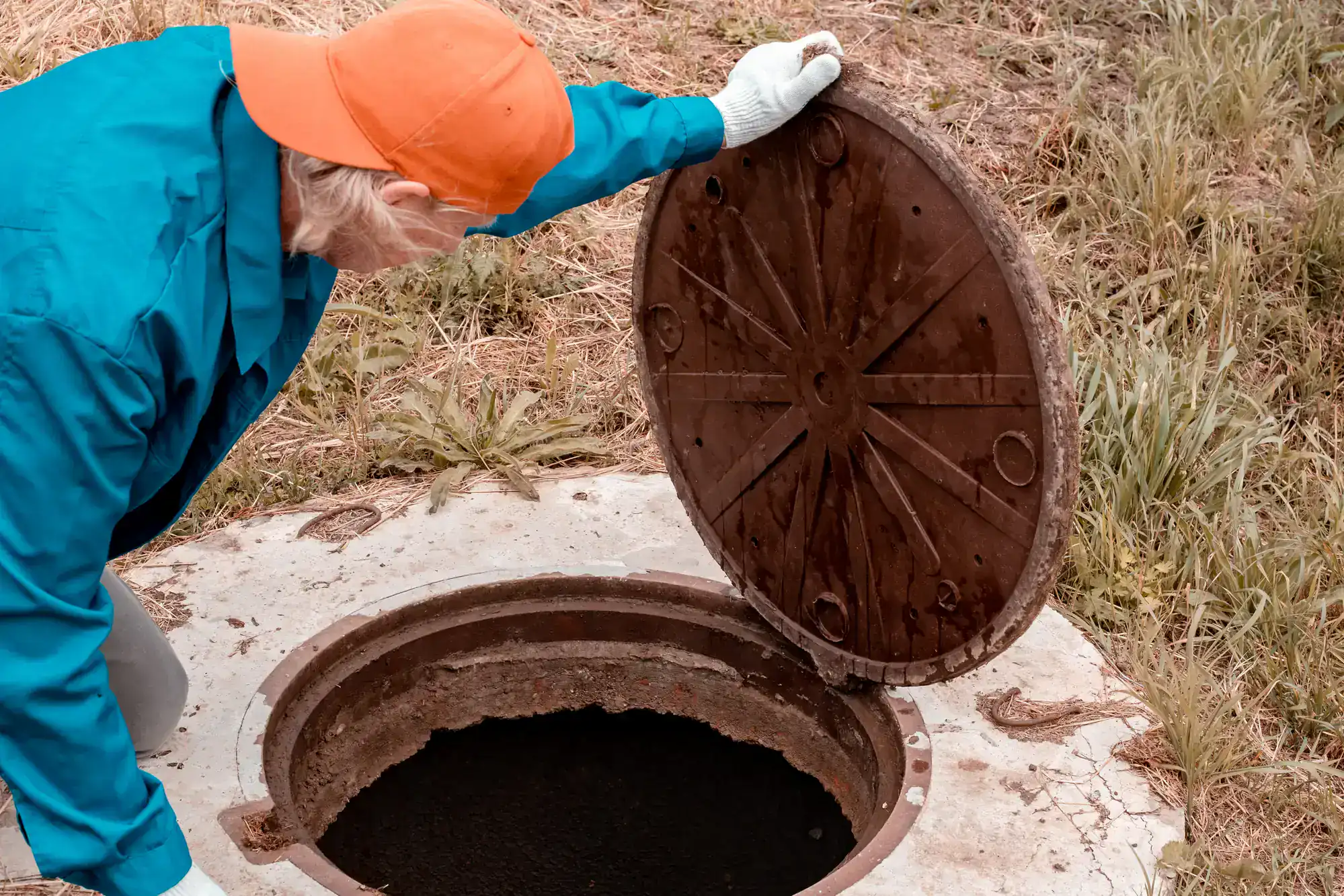
We start by locating your tank and uncovering the access points. Some properties in Greenlawn, NY have tanks buried under driveways or landscaping, so this step takes a bit of digging. Once we’re in, we pump the tank down so we can see the baffles, the inlet and outlet pipes, and the condition of the tank walls.
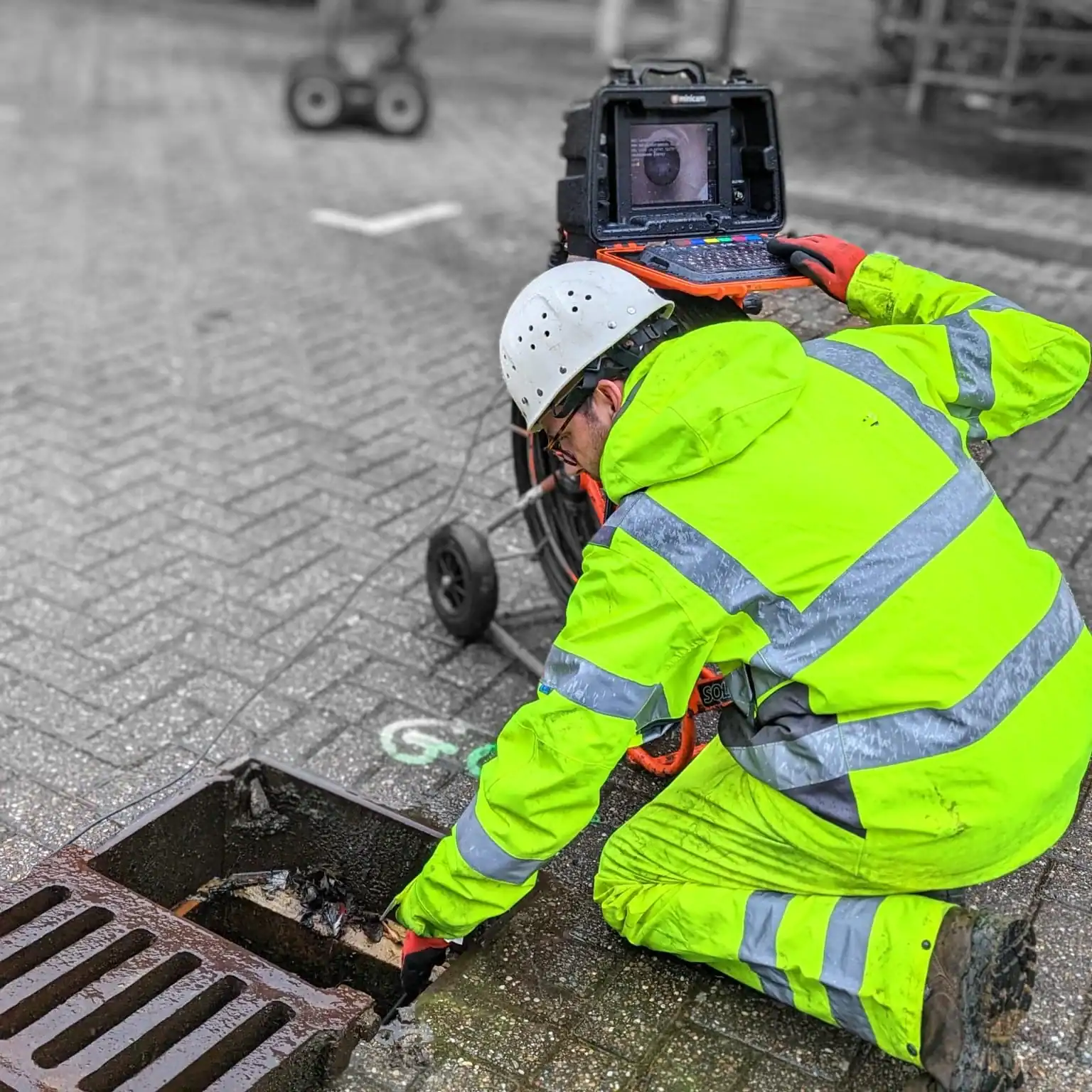
Then we run the camera. We feed it through the outlet line into the distribution box and as far into the leach field as we can reach. The camera has a footage counter, so if there’s a crack at 47 feet or a root intrusion at 23 feet, you’ll know the exact location. We’re looking for structural damage, blockages, standing water where it shouldn’t be, and any signs the system isn’t draining properly.
After the camera work, we test the system under load if needed—running water through the house to see how it drains and whether the distribution box is handling flow correctly. The whole process takes a few hours depending on what we find. You’ll get a full report with video footage, measurements, and our assessment of whether the system meets Suffolk County standards for a real estate closing.

Ready to get started?
You’re getting a complete evaluation of your wastewater system. That includes the tank itself—checking for cracks, leaks, and structural integrity. We inspect the baffles to make sure they’re intact and doing their job of keeping solids in the tank. We examine the inlet and outlet pipes for blockages or damage.
The camera inspection covers your distribution system. In Greenlawn, NY, most older properties have cesspools or basic septic systems with leach fields. We document the condition of the distribution box, check for proper flow to each line, and identify any sections that aren’t draining. If there’s standing water, root intrusion, or collapsed pipe, the camera shows it.
Your report includes digital video with footage markers, photos of key components, and a written summary of our findings. We note whether the system is compliant with current Suffolk County regulations—important because properties with older cesspools may need upgrades if the system fails. We also provide recommendations for maintenance or repairs if we spot issues that aren’t deal-breakers now but could become problems later.
This documentation goes directly to your lender, your attorney, or whoever needs it for closing. We’ve done enough of these inspections to know exactly what mortgage companies and health departments require, so you’re not going back and forth asking for additional information.
Lenders need proof that the property’s wastewater system is functional before they’ll approve financing. A failed septic system can cost tens of thousands to replace, and that affects the property’s value and your ability to occupy the home legally.
In Suffolk County, any property not connected to municipal sewer relies on a private cesspool or septic system. If that system fails after you close, you’re responsible for the repair or replacement. Lenders don’t want to finance a property with a known defect that could tank its value or leave you unable to afford the fix.
The inspection gives them documentation that the system was evaluated by a licensed professional and meets basic functionality standards. Without it, most mortgage companies won’t move forward. Even if you’re paying cash, it’s worth knowing what you’re getting—Suffolk County has strict regulations about system failures, and you can’t just ignore a broken cesspool.
The camera shows the inside of your pipes, tank, and distribution system in real time. We feed a waterproof camera line through the outlet pipe and into the distribution box, then as far into the leach field lines as we can reach. You’re seeing the actual condition of the system, not guessing based on age or symptoms.
Common findings include root intrusion—tree roots that have broken through pipe joints and are blocking flow. We also spot cracks or collapsed sections of pipe, standing water in the distribution box that indicates a drainage problem, and sediment buildup that suggests the tank isn’t being pumped often enough.
The camera has a footage counter, so if there’s a problem at 35 feet from the tank, we know exactly where to dig if repairs are needed. That saves time and money compared to excavating blind. The video becomes part of your inspection report, so you have a permanent record of what the system looked like on the day we inspected it.
Most inspections take two to three hours depending on the system’s size and accessibility. If your tank is buried under a driveway or we need to locate it first, that adds time. If the system is straightforward and everything’s accessible, we can move faster.
We’re not rushing through it. Uncovering the tank, pumping it down, inspecting the baffles and structure, running the camera through the distribution system, and testing drainage all take time to do correctly. If we find an issue, we’ll spend additional time documenting it and figuring out the extent of the problem.
You don’t need to be present for the entire inspection, but it helps to be available at the start and end. We’ll walk you through what we found and answer questions before we leave. The written report and video footage usually get delivered within a day or two, and we’ll send it directly to your lender or attorney if that’s what you need.
A failed inspection doesn’t automatically kill the deal, but it does change the negotiation. You have a few options depending on what failed and how motivated both parties are to close.
You can ask the seller to repair or replace the system before closing. That’s the cleanest option, but it takes time—permitting and installation for a new system in Suffolk County can take weeks. You can negotiate a reduction in purchase price to cover the repair and handle it yourself after closing. Or you can walk away if the system failure is severe enough that the repair cost isn’t worth it.
Some buyers choose to close with an escrow holdback, where funds are set aside to cover the repair and released once the work is done. That requires cooperation from the seller and agreement from the lender. If the system needs a full replacement because it’s an outdated cesspool, you’re looking at a significant expense—Suffolk County banned new cesspool installations in 2019, so any replacement has to be a compliant septic system.
We’ll explain exactly what failed, what it takes to fix it, and give you enough information to make a decision. We’re not pushing you one way or the other—that’s between you, the seller, and your attorney.
Yes, because “seems fine” isn’t documentation, and it doesn’t tell you what’s happening underground. A system can flush normally and still have a failing leach field, a cracked tank, or a distribution box that’s not draining properly. You won’t know until someone opens it up and looks.
Suffolk County requires inspections for real estate transactions involving septic systems, and your lender won’t close without proof that the system was evaluated. Even if the current owner says they’ve never had problems, that doesn’t mean the system meets current standards or will last another five years.
A point-of-sale septic inspection in Greenlawn, NY protects you from inheriting someone else’s deferred maintenance. Septic systems don’t announce when they’re about to fail—they just stop working. By the time you notice slow drains or sewage backups, you’re already looking at an expensive repair. The inspection catches problems before you own them, which gives you leverage to negotiate or walk away if the system is on its last legs.
Yes, we handle commercial septic inspection in Greenlawn, NY for businesses, multi-family properties, and any commercial real estate transaction that involves a private wastewater system. Commercial systems are typically larger and more complex than residential setups, but the inspection process is similar—we evaluate the tank, the distribution system, and the leach field to make sure everything is functional and compliant.
Commercial properties often have higher wastewater volumes, which means more stress on the system and a greater chance of failure if maintenance has been neglected. We check for adequate capacity, proper drainage, and any signs of overload or structural damage. If the property has a pump system or advanced treatment components, we inspect those as well.
The documentation requirements for commercial properties are the same—lenders and health departments need proof the system works before the transaction closes. We provide the same detailed reporting with camera footage, measurements, and compliance assessment. If you’re buying or selling commercial property in Greenlawn, NY, and it’s not on municipal sewer, you need this inspection before closing.
Other Services we provide in Greenlawn