Hear From Our Clients

You don’t think about your cesspool until something goes wrong. That’s exactly how it should stay.
Regular cesspool pumping keeps your system running quietly in the background. No slow drains. No sewage odors creeping into your yard. No panic calls on a Saturday morning because wastewater is backing up into your home.
Most Westhampton homes need pumping every two to three years. Larger families or smaller tanks might need it annually. Skip it, and you’re not just risking an inconvenient backup—you’re looking at potential system failure that costs $15,000 to $25,000 to replace.
The math is simple. Routine cesspool cleaning costs a few hundred dollars. Emergency septic service costs double that, plus thousands more for sewage cleanup and property damage. Your home is worth close to a million dollars in this area. Protecting that investment means staying ahead of problems, not reacting to them.
We’ve served Westhampton and Suffolk County for over 25 years. We’re not a national chain. We’re a small, family-owned team that lives and works in the same community you do.
We know how Long Island’s sandy soil affects cesspool performance. We understand Suffolk County’s environmental regulations and why they matter for groundwater protection. Most importantly, we don’t oversell services you don’t need.
You’ll get an honest assessment, transparent pricing, and documentation that keeps you compliant with local requirements. We offer military, first responder, and senior discounts because this community matters to us. When you call, you’re talking to people who’ve been handling cesspool pumping in Westhampton for decades—not a call center reading from a script.

First, we locate and access your cesspool. Some covers are buried, some are exposed. We handle both without tearing up your property.
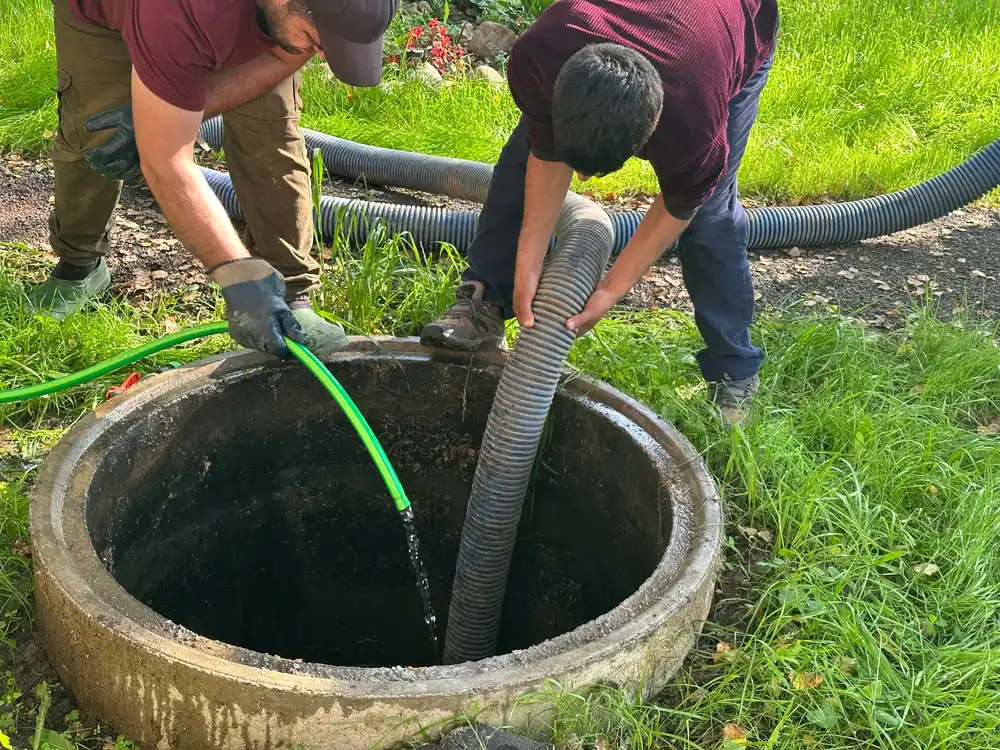
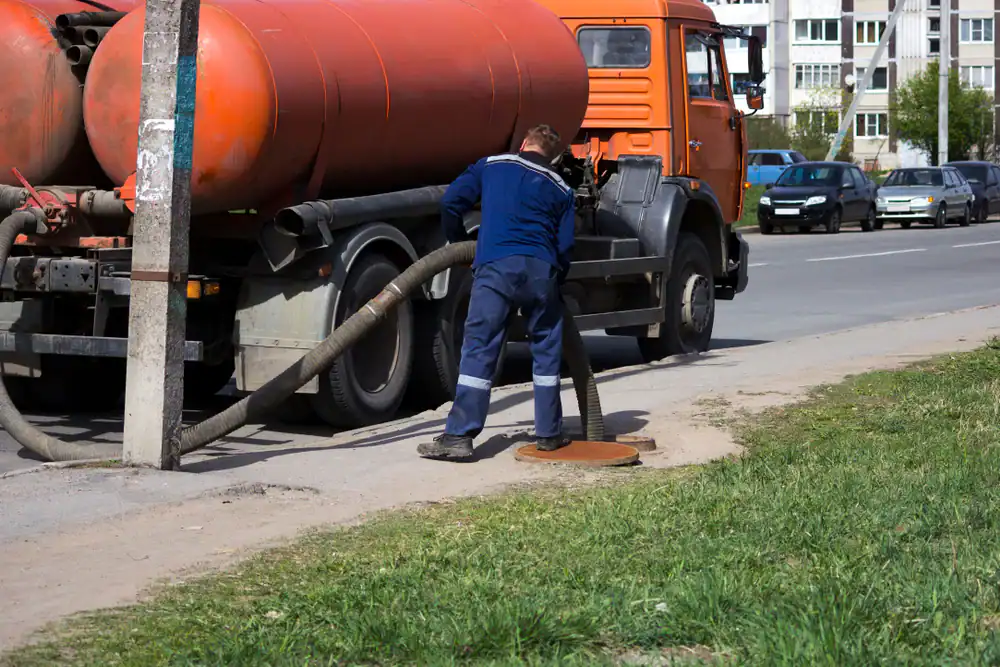
Once we’re in, we use a vacuum truck to remove all the accumulated solids and liquids from your tank. This isn’t just pumping out water—we’re extracting the sludge layer that builds up at the bottom and the scum layer floating on top. Both need to go, or your cesspool won’t function properly.
While we’re pumping, we inspect the tank’s condition. Cracks, structural issues, or signs of failure get noted. You’ll know if something needs attention before it becomes an emergency.
After pumping, we document the service for your records. If you’re selling your home or pulling permits for renovations, Suffolk County often requires proof of recent cesspool maintenance. We make sure you have what you need.
The whole process typically takes 30 to 60 minutes, depending on tank size and access. You’re back to normal the same day—except your system now has years of reliable capacity restored.
Ready to get started?
Cesspool pumping in Westhampton typically costs between $400 and $700, depending on tank size and accessibility. That includes the pump-out, inspection, and proper disposal at a licensed facility.
You’re not just paying for someone to empty a tank. You’re paying for licensed professionals with specialized equipment, insurance, and the knowledge to spot problems before they escalate. You’re also paying for compliance—Suffolk County requires proper disposal to protect the aquifer that supplies our drinking water.
Many homes in Westhampton were built in the 1960s through 1980s. If your cesspool is original to the house, it’s seen decades of use. Older systems need more frequent attention, especially if you’ve got a full household or you’re hosting guests regularly during summer months.
Fall is the best time to schedule routine maintenance. Get it done before winter, when frozen ground and holiday schedules turn a simple service call into an expensive emergency. Waiting until you notice problems means you’re already behind—and likely facing a much bigger bill.

Most Westhampton homes need cesspool pumping every two to three years. That’s the baseline for a typical household with average water usage.
But your situation might be different. Families of four or more, homes with garbage disposals, or properties with smaller tanks often need annual service. If you’re noticing slow drains, gurgling pipes, or sewage odors, you’ve already waited too long.
Suffolk County’s sandy soil drains well, but it also means contamination spreads quickly if your cesspool overflows. Regular pumping isn’t just about convenience—it’s about protecting groundwater and staying compliant with local environmental regulations. When you schedule service, ask about the right interval for your specific setup. We’ll give you an honest recommendation based on tank size, household size, and actual usage patterns.
Slow drains throughout your house are the first warning. If multiple fixtures are draining slowly at once, your cesspool is likely full.
Sewage odors in your yard or near the tank location mean wastewater is surfacing. Pooling water or unusually green grass over the cesspool area is another red flag—that’s effluent saturating the ground. Inside your home, gurgling sounds when you flush or run water indicate air displacement from a full tank.
The worst sign is sewage backing up into your home through toilets, showers, or floor drains. At that point, you’re past prevention and into emergency territory. Don’t wait for backups. If you’re seeing early warning signs, schedule cesspool cleaning in Westhampton before you’re dealing with a health hazard and a much bigger bill.
Expect to pay between $400 and $700 for standard residential cesspool pumping in Westhampton. The exact cost depends on your tank size, how accessible it is, and how full it’s gotten.
Larger tanks cost more to pump because there’s more material to remove and dispose of. If your cesspool cover is buried under landscaping or a deck, access work adds to the price. Emergency service costs roughly double because you’re paying for immediate response outside normal scheduling.
Compare that to the cost of ignoring maintenance. Sewage cleanup after a backup runs $3,000 to $8,000. Complete cesspool replacement costs $15,000 to $25,000. Routine pumping every few years is the cheapest insurance you can buy for your home’s wastewater system. We provide upfront pricing before we start work, so you know exactly what you’re paying.
Technically possible, but practically a bad idea. Cesspools contain toxic gases like methane and hydrogen sulfide that can kill you. Without proper ventilation and safety equipment, you’re risking your life.
You also need a vacuum truck capable of removing thousands of gallons of waste, plus a legal place to dispose of it. Suffolk County requires licensed disposal at approved facilities—dumping cesspool waste illegally carries fines up to $2,000 and potential criminal charges.
Professional cesspool pumping includes inspection for structural problems, cracks, or system failures that you’d miss without experience. We catch issues early, before they become catastrophic. The few hundred dollars you’d “save” doing it yourself isn’t worth the health risks, legal liability, or missed warning signs that lead to expensive repairs later.
A cesspool is basically a covered pit that collects wastewater and allows it to seep into surrounding soil. It’s a single chamber with no real treatment process—just storage and slow drainage.
A septic system has multiple components: a tank that separates solids from liquids, and a drain field that distributes treated effluent into the soil. Septic systems actually treat wastewater through bacterial action before it enters the ground. They’re more complex, more expensive to install, but generally more effective and environmentally sound.
Many older Westhampton homes still have cesspools because that’s what was standard when they were built. Both systems need regular pumping, but cesspools often need more frequent service because they lack the treatment capacity of modern septic systems. If you’re not sure which you have, we can identify it during a service call and recommend the right maintenance schedule.
Yes, in most cases. Suffolk County often requires proof of recent cesspool maintenance during real estate transactions, especially if you’re in a sensitive environmental area near water bodies.
Buyers increasingly request cesspool inspection and pumping records during the sale process. If you can’t provide documentation, you might be required to pump and inspect before closing—on a rushed timeline that gives you less negotiating power.
Some towns also require cesspool certification for building permits or renovation work. Having regular service records shows you’ve maintained your property and helps avoid delays when you need approvals. We provide detailed documentation after every service call, including the date, tank condition, and any issues we observed. Keep those records with your home maintenance files—they’re worth having when you need them.
Other Services we provide in Westhampton