Septic Inspection Central Islip NY

Get Real Answers About Your System

Professional septic inspection in Central Islip that actually tells you what’s happening underground—no guesswork, no surprises.
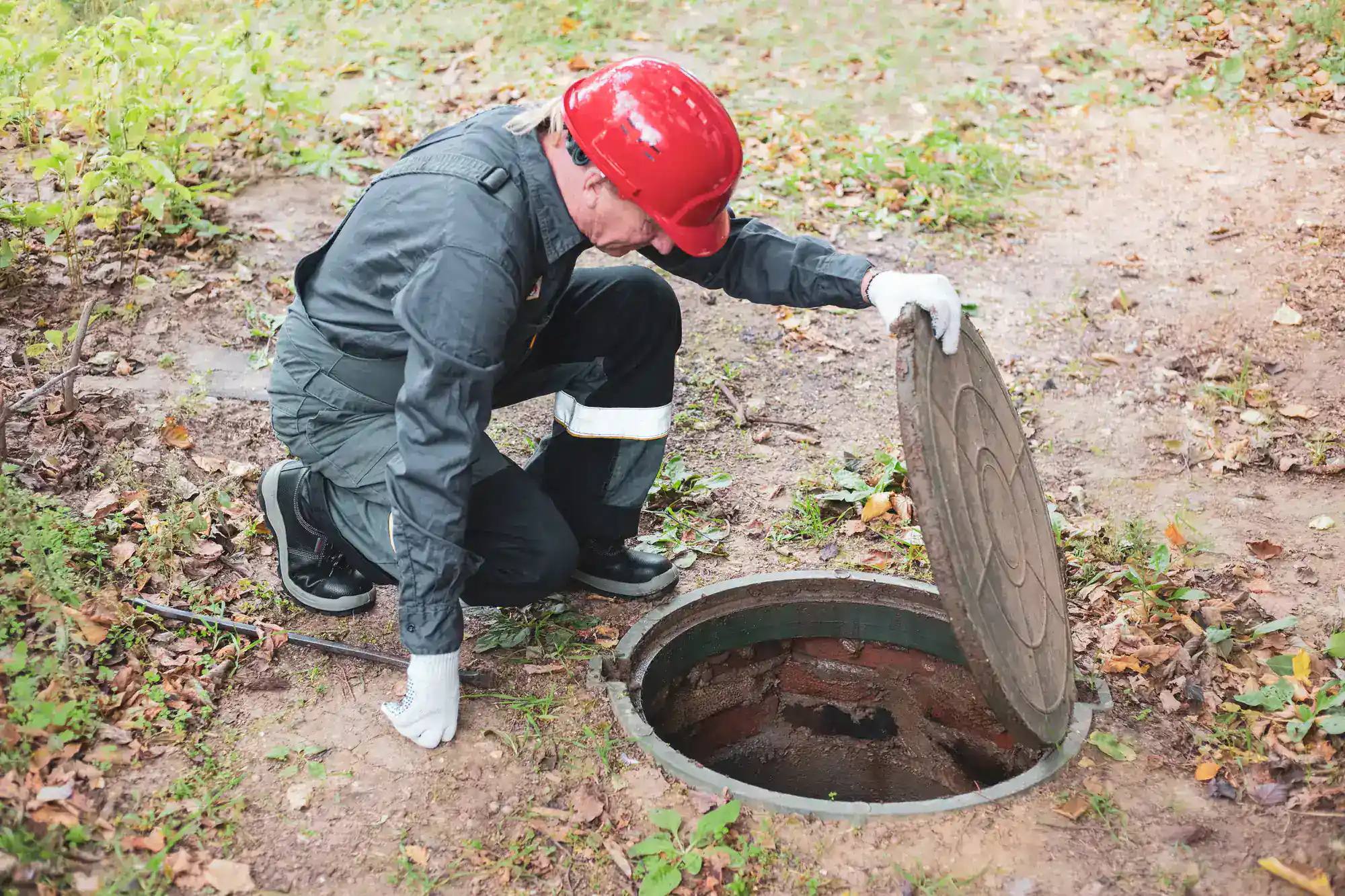
A worker in coveralls, gloves, and a red hard hat kneels outdoors, lifting the lid of a manhole to inspect the opening surrounded by grass and scattered leaves.

Hear From Our Clients

A worker wearing a red hard hat, gray overalls, and white gloves bends down to look inside an open manhole surrounded by grass, with the manhole cover lying nearby.

Certified Septic Inspector Suffolk County

Know Before Problems Hit Your Wallet
You get a clear picture of your septic system’s condition before small issues become expensive disasters. Our thorough inspections catch problems early, so you can plan repairs on your timeline instead of dealing with emergency backups at 2 AM. When we’re done, you’ll know exactly what’s working, what needs attention, and what can wait. No technical jargon that leaves you confused—just straight answers about your system’s health and what it means for your property. Most importantly, you’ll have documentation that satisfies Suffolk County requirements and gives you peace of mind whether you’re buying, selling, or just being a responsible homeowner.

Septic System Compliance Central Islip

Your Neighbors Since 1998
We’re the family-owned septic company Central Islip homeowners call when they need honest answers. Over 325 five-star reviews and 25+ years in Suffolk County mean we’ve seen every type of system and every kind of problem. Being local matters here. We understand Central Islip’s soil conditions, the mix of older and newer homes, and how Suffolk County’s regulations actually work in practice. When you call us, you’re getting neighbors who’ve been solving septic problems in your area for decades. We’re licensed, insured, and we offer discounts to military, first responders, and seniors because we appreciate what you do for our community.
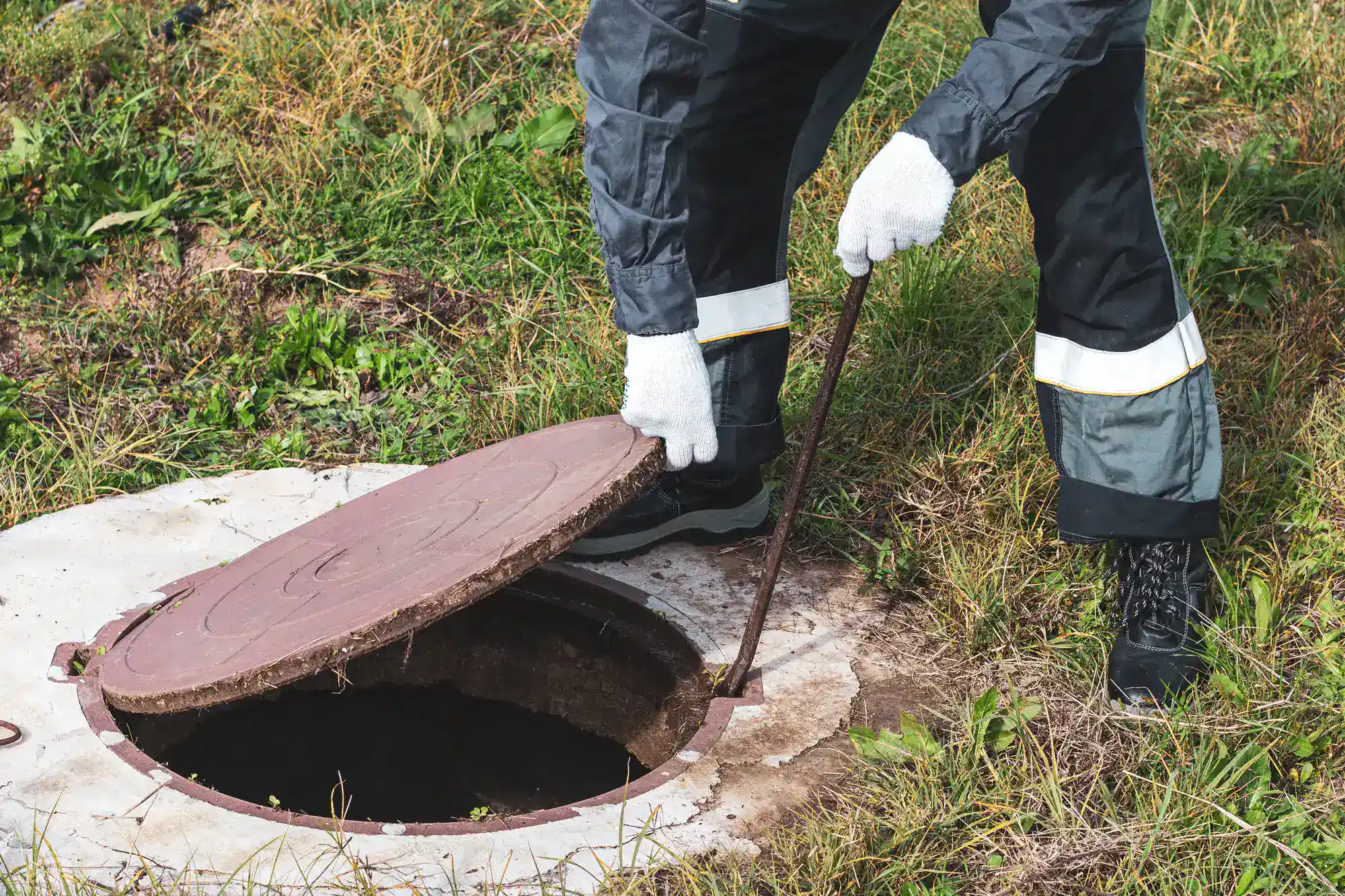
A person in protective work clothes and white gloves uses a tool to lift a round metal manhole cover, exposing an opening in the ground surrounded by grass.

Pre-purchase Septic Inspection Process

What Happens During Your Inspection
First, we locate and access your septic tank and distribution box—no digging up your entire yard. We use the right tools to get to what we need to see without destroying your landscaping. Next, we inspect each component of your system: the tank itself, the distribution box, and the leach field. We’re looking for cracks, clogs, proper water levels, and signs that everything’s working as it should. If we need to see inside pipes or check for blockages, we use camera equipment that shows us exactly what’s happening. Finally, we explain what we found in terms that make sense. You’ll get a written report that covers your system’s condition, any issues we discovered, and our recommendations for maintenance or repairs. No surprises, no pressure—just the information you need to make smart decisions about your property.
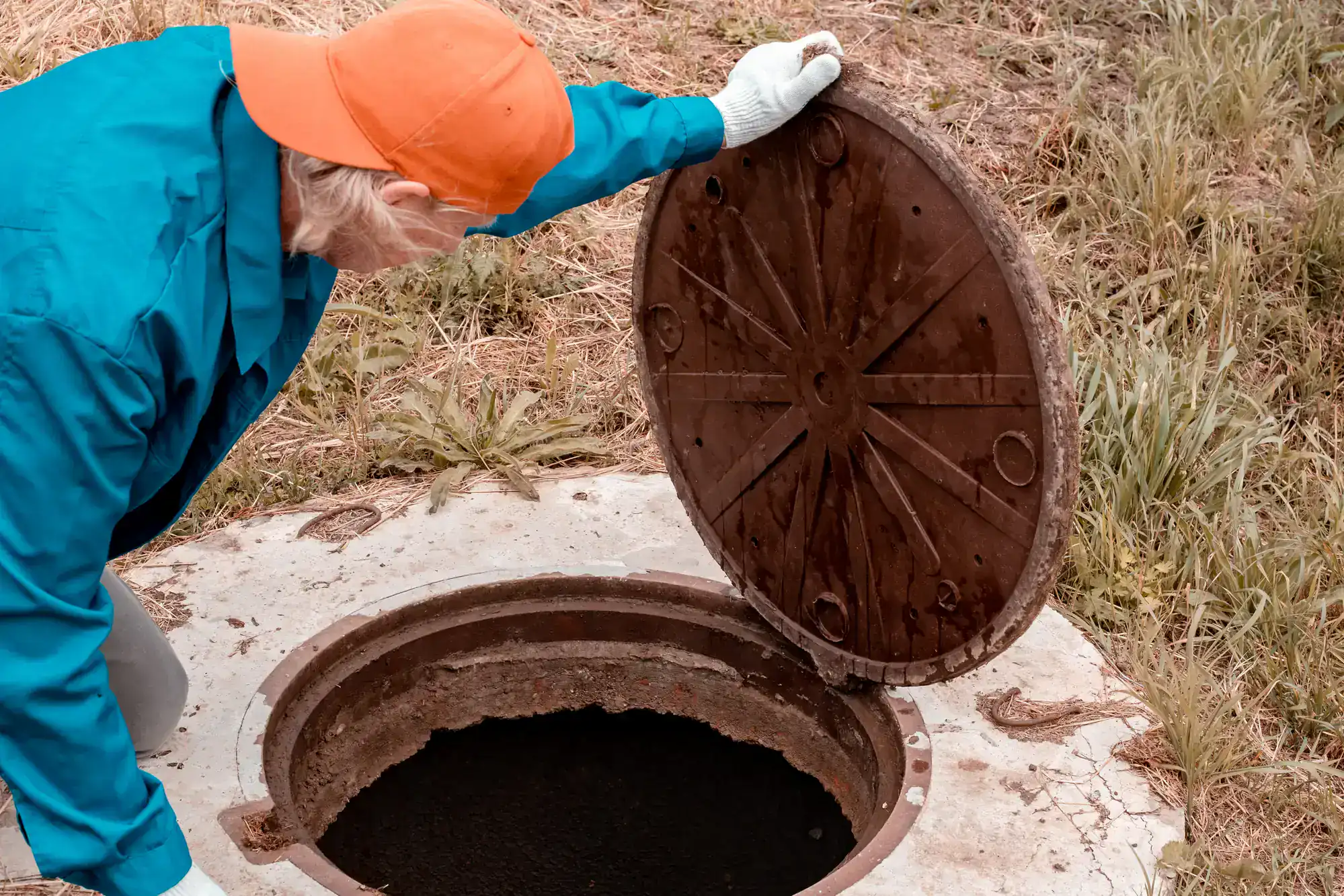
An older person in a blue jacket and orange cap lifts the heavy lid of a round manhole outdoors, revealing a dark opening surrounded by grass and concrete.

Explore More Services

About AAA Dependable Cesspool

Annual Septic System Checkup Requirements

What's Included In Your Inspection
Your septic inspection covers everything that affects your system’s performance and your property’s compliance with local regulations. We check tank capacity against your home’s size, inspect for structural damage, and verify that your leach field is handling wastewater properly. In Central Islip, this matters more than ever. Suffolk County now requires septic system registration and compliance with updated standards. Properties built before these changes often need documentation to prove their systems meet current requirements, especially during real estate transactions. We also test water flow, check for backups, and examine the mechanical components that keep everything running. If your system includes pumps or advanced treatment components, we verify those are functioning correctly too. You’ll get documentation that satisfies mortgage lenders, health departments, and gives you a clear maintenance roadmap.
A person wearing a glove lifts the lid of a green septic tank outdoors, revealing the dark interior. The tank is surrounded by soil and scattered leaves.

How much does a septic inspection cost in Central Islip?

Septic inspection costs in Central Islip typically range from $150 to $450 for routine maintenance inspections, while comprehensive inspections for real estate transactions run $300 to $650. The final price depends on your system’s complexity, accessibility, and whether additional testing is needed. Basic visual inspections cost less, but if we need camera work to check inside pipes or soil testing around the leach field, that adds to the total. We always explain what’s needed and why before adding any services. Most homeowners find the cost reasonable when they consider that catching problems early can save thousands in emergency repairs.
While Suffolk County doesn’t universally require septic inspections for all home sales, many buyers and mortgage lenders do require them, especially for older systems. If your system was installed before current regulations took effect in 2019, documentation becomes even more important. Smart sellers often get inspections done proactively. If everything checks out, you can market your home with confidence. If issues surface, you can address them on your timeline rather than scrambling during negotiations. Either way, you’re in control of the process instead of reacting to buyer demands. FHA and VA loans frequently require septic inspections when the appraiser suspects potential problems, so having current documentation ready can prevent delays in closing.
The EPA recommends septic inspections every one to three years, with more frequent inspections for systems over 20 years old or homes with heavy usage. In Suffolk County, some areas now require inspections every three years with reports submitted to the county. Your inspection schedule also depends on your household size and water usage patterns. Larger families, homes with garbage disposals, or properties that host frequent guests put more stress on septic systems and benefit from annual inspections. Regular inspections catch small problems before they become expensive emergencies. A $300 inspection can prevent a $10,000 system replacement, making it one of the smartest investments you can make in your property.
A failed inspection doesn’t mean disaster—it means you have information to make informed decisions. We’ll explain exactly what’s wrong, what needs immediate attention, and what can be addressed over time. Many “failures” involve minor repairs that cost hundreds, not thousands. If you’re selling your home, you can either fix the issues or adjust your asking price to account for needed repairs. Buyers often prefer properties with known, documented problems over systems with unknown conditions. At least everyone knows what they’re dealing with. For homeowners not selling, a failed inspection gives you time to plan repairs and potentially apply for Suffolk County grants that help offset upgrade costs. The county offers financial assistance for qualifying homeowners who need to improve their septic systems.
Never attempt to inspect your septic system yourself. Septic tanks contain deadly methane gas, and accidents involving people falling into open tanks are often fatal. Professional inspectors have the proper safety equipment and training to work around these hazards. Beyond safety concerns, DIY inspections aren’t accepted by mortgage lenders, health departments, or real estate transactions. You’ll end up paying for a professional inspection anyway, so attempting it yourself just adds unnecessary risk. Licensed inspectors also know what to look for and how to interpret what they find. We can spot early warning signs that untrained eyes miss, potentially saving you thousands in preventable damage.
Septic pumping removes accumulated solids from your tank—it’s maintenance that should happen every three to five years. Septic inspection evaluates your entire system’s condition and performance, checking for problems that pumping alone won’t fix. You can have a recently pumped tank that still has serious structural problems, leach field issues, or compliance violations. Conversely, a tank that needs pumping might otherwise be in excellent condition. They’re different services that address different needs. Many homeowners combine pumping and inspection during the same visit, which often costs less than scheduling separately. When the tank is empty, we can see structural issues more clearly, making it an ideal time for thorough inspection.

Other Services we provide in Central Islip