Hear From Our Clients

Your septic system works quietly in the background when it’s properly maintained. You don’t think about backups, odors, or emergency calls because everything flows as it should.
Regular septic pumping prevents the headaches that come with system failures. No more worrying about whether that slow drain means trouble, or if you’re overdue for service.
When your septic system is maintained right, you save money on emergency repairs and protect your property value. You get the peace of mind that comes from knowing your system can handle whatever your household throws at it.
We’ve been serving West Sayville families for over 25 years. We understand how Long Island’s sandy soil affects septic systems differently than other areas, and what it takes to keep them running properly.
You’re working with technicians who know the difference between a system that needs pumping and one that needs repair. We give you straight answers about what your septic system actually needs, without trying to sell you services you don’t.
As a family-owned business rooted in Suffolk County, we’re committed to our community. That’s why we offer military, first responder, and senior discounts, and actively support local veteran organizations like Paws of War.

First, we locate and access your septic tank. Our technicians inspect the tank to check sludge and scum levels, and assess the overall condition of your system.
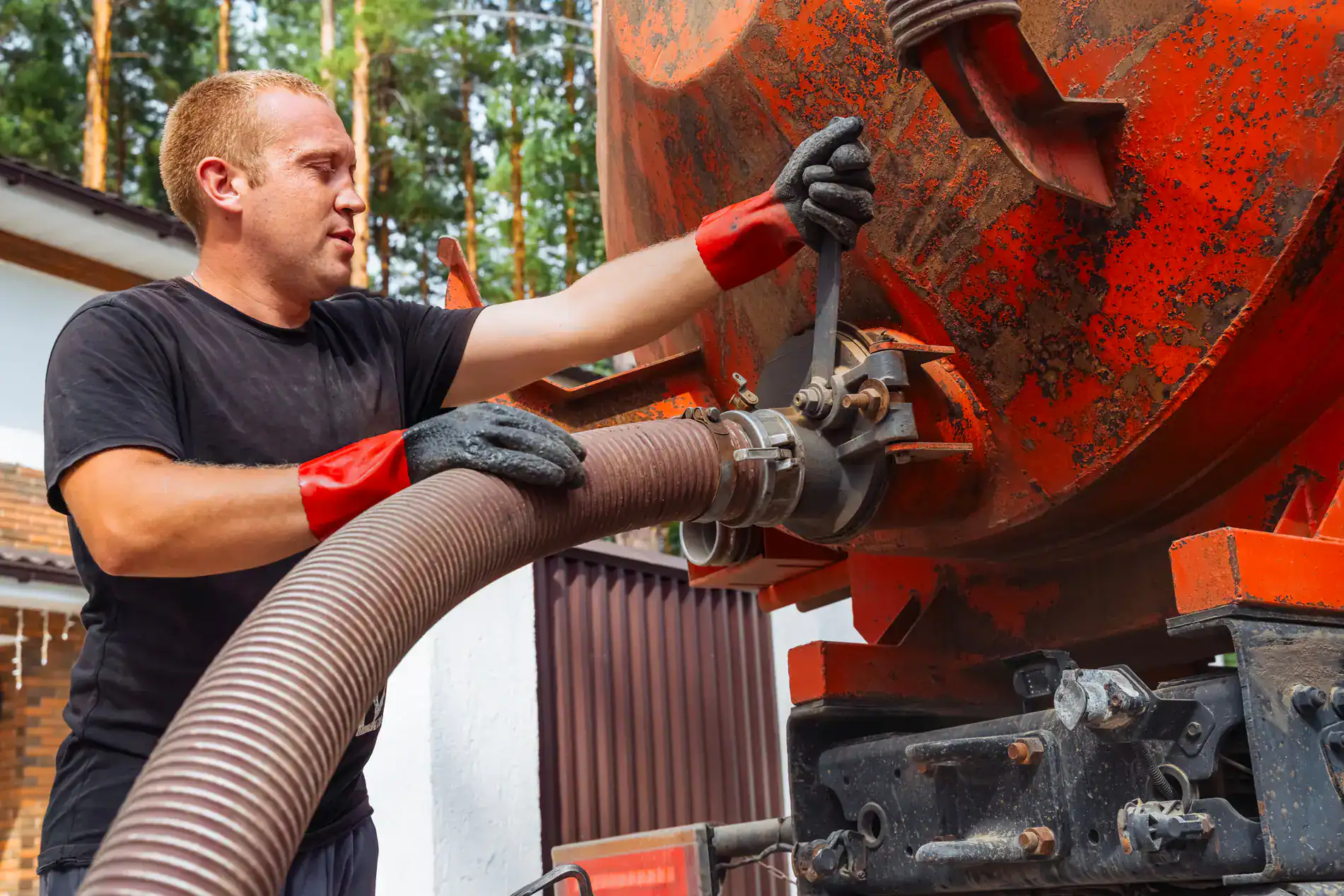
Next comes the actual pumping using professional vacuum equipment. We remove all accumulated solids and liquids, then inspect the tank interior for any signs of damage or wear that could cause future problems.
After pumping, we provide you with a clear assessment of your system’s condition. You’ll know when your next service should be scheduled, and if there are any maintenance items that need attention. We handle proper waste disposal according to environmental regulations, so you don’t have to worry about compliance issues.

Ready to get started?
Routine septic pumping keeps your system running smoothly and prevents costly backups that can damage your property. Most West Sayville homes need pumping every 2-3 years, though this varies based on household size and water usage.
Long Island’s unique environment affects timing too. The area’s high water table and frequent storm events can stress septic systems more than inland locations. We recommend slightly more frequent pumping to account for these conditions.
Suffolk County’s sandy soil means waste moves through your system differently than other areas, often requiring more attention. Our local expertise helps us customize maintenance schedules for your specific usage patterns and soil conditions, ensuring optimal performance year-round.

Most West Sayville homes need septic pumping every 2-3 years, but your actual frequency depends on household size, water usage, and system type. A family of four with a 1,000-gallon tank typically needs pumping every 3-4 years.
Smaller households might stretch this to 4-5 years, while larger families or homes with heavy water usage should pump every 2-3 years. Suffolk County’s unique environment also affects timing—the area’s high water table and frequent storms can stress systems more than inland locations.
The key is understanding your system’s capacity relative to your actual usage patterns. We measure waste accumulation during each service to customize maintenance schedules for your specific needs.
Most West Sayville homeowners pay between $300 and $600 for standard septic tank pumping. A typical 1,000-gallon tank usually runs $350 to $450, while larger 1,500-gallon systems push that up to $450-$550.
Tank size is the biggest factor in cost, but accessibility matters too. Tanks that are hard to locate or access cost more because of the extra time involved. If your system hasn’t been maintained regularly, you might need additional cleaning or repairs.
The investment in regular pumping saves you thousands compared to drain field replacement or major system repairs. Most homeowners find that staying on a regular pumping schedule is much more budget-friendly than dealing with emergency repairs.
Slow draining fixtures, sewage odors around your property, and gurgling sounds from drains indicate your system needs attention. Standing water or wet spots near the tank location signal system overload requiring immediate service.
Don’t wait for obvious problems to schedule pumping. By the time you notice these symptoms, you’re already dealing with a more expensive situation. If your toilet and drains are draining slower than normal, this often means your septic tank is full.
Other warning signs include unusually green or lush grass near your tank area, backups after heavy rain, and any sewage backup into your home. If you notice two or more of these signs, it’s time to call us immediately.
Regular septic pumping doesn’t require permits in Suffolk County—it’s considered routine maintenance. However, Suffolk County does require licensed contractors to provide documentation of pumping services for property transfers and renovation permits.
As of July 2019, replacement of existing cesspools or septic systems requires registration with the Department of Health Services. If you’re doing major renovations or adding bedrooms, you may need to upgrade to newer nitrogen-reducing systems.
We handle all documentation requirements and ensure compliance with local regulations. Our services include proper waste disposal according to environmental regulations, so you don’t have to worry about compliance issues.
Septic pumping requires specialized vacuum trucks, safety equipment, and proper waste disposal permits that homeowners cannot access. Professional pumping also includes system inspection and documentation required for county compliance.
Attempting DIY septic pumping creates serious health risks from toxic gases and contamination exposure. The process involves handling hazardous materials that require trained professionals and proper safety protocols.
Suffolk County requires septic pumping records for property transfers and renovation permits. Licensed contractors provide the documentation you need, while ensuring safe waste transport to approved treatment facilities that meet environmental regulations.
Long Island’s sandy soil affects septic systems differently than other areas. Sandy soil allows wastewater to move quickly, but this can mean less effective filtration if your system isn’t properly maintained.
The area’s high water tables and seasonal changes create additional challenges. Many local systems experience more stress during summer months with increased occupancy, and storm events can overwhelm systems faster than in other regions.
Our local expertise helps us understand these unique conditions. We customize maintenance schedules based on Long Island’s specific soil and environmental factors, ensuring your system performs optimally despite these challenges.
Other Services we provide in West Sayville