Hear From Our Clients

You know the drill. Snake the line, clear the blockage, everything’s fine for a few months. Then it’s back. That’s because snaking only pokes a hole through the problem—it doesn’t remove the grease, roots, and debris coating your pipe walls.
Sewer jetting uses high-pressure water streams to scour every inch of your pipes clean. We’re talking about 4,000 PSI of targeted water pressure that strips away years of buildup, leaving your pipes flowing like they’re brand new. The difference isn’t just immediate—it lasts.
Your drains work better. Your system handles more without backing up. And you’re not dealing with the same problem every few months because we actually solved it the first time.
We’ve been handling Islip’s toughest drain problems since 1998. That means we know exactly what you’re dealing with—the tree roots that love our clay pipes, the sand that works its way into everything, and the grease buildup that turns into concrete-hard blockages.
Suffolk County’s aging infrastructure creates unique challenges. Most homes here were built before 1980 with clay sewer pipes that develop cracks over time. Tree roots find these weak spots and set up shop inside your lines. Add in our coastal sand infiltration, and you get problems that basic drain cleaning just can’t handle.
That’s why we invested in professional hydro jetting equipment. It’s the only way to truly clean these pipes and give you lasting results.
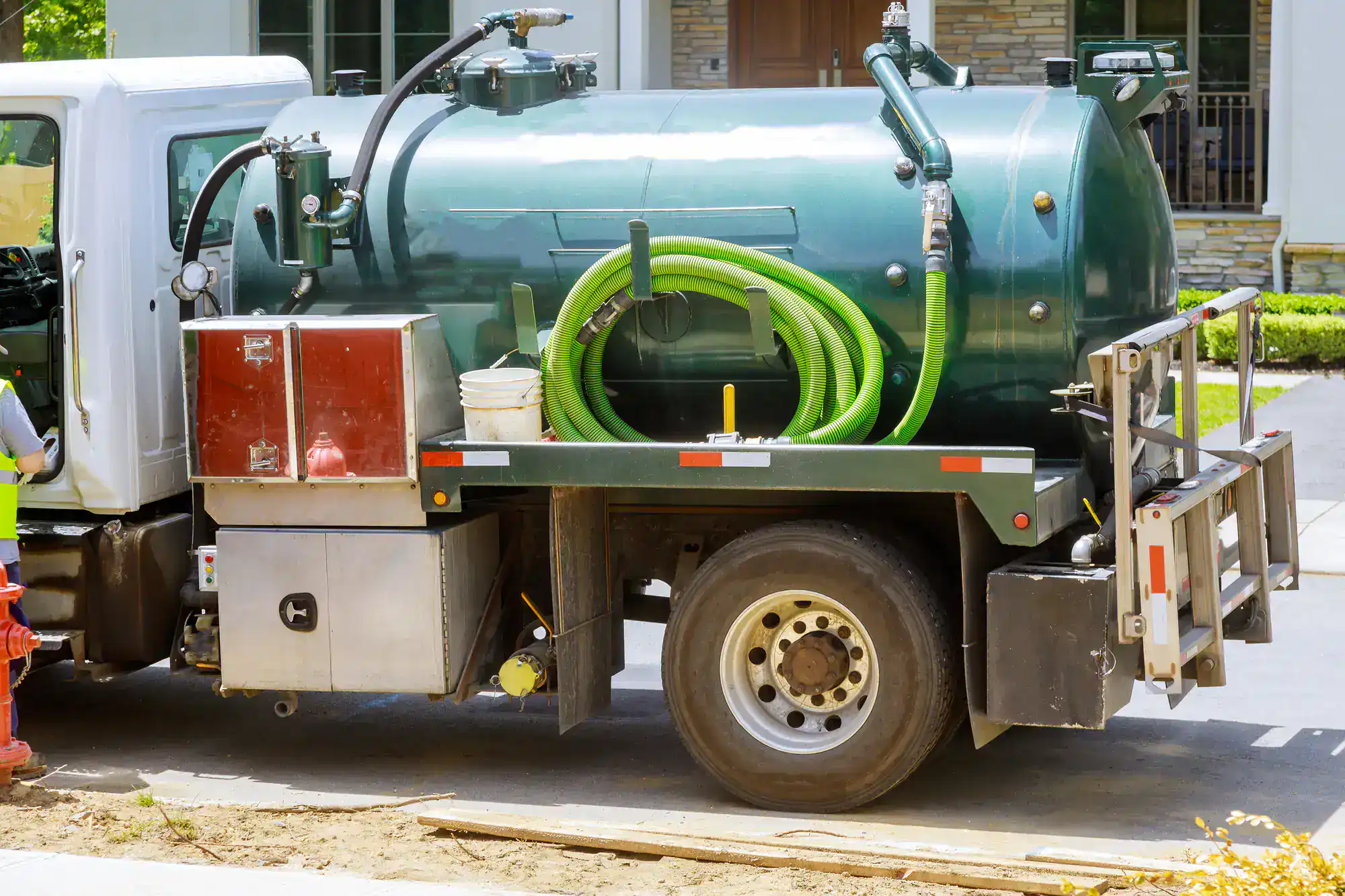
First, we inspect your line with a camera to see exactly what we’re dealing with. No guessing, no assumptions—we know where the problem is and how severe it is before we start.
Then we insert a specialized hose with a high-pressure nozzle into your sewer line. This isn’t your garden hose—we’re talking about equipment that delivers up to 4,000 PSI of water pressure in a 360-degree spray pattern. The water jets forward to break through blockages and backward to flush everything out.
The process thoroughly scours your pipe walls, removing grease, roots, sand, mineral deposits, and debris that’s built up over years. What comes out is everything that was slowing your drains and causing recurring clogs. What’s left behind are clean pipes that flow like they should.
Ready to get started?
Living in Islip means dealing with specific challenges other areas don’t face. Our coastal location means sand infiltration in sewer lines—fine particles that enter through the same cracks that let in tree roots. Over time, this sand combines with grease and organic material to create cement-like blockages that standard snaking can’t remove.
Add in Suffolk County’s mature tree population and aging clay pipe infrastructure, and you get the perfect storm for sewer problems. Tree roots don’t just clog your pipes—they grow inside them, creating ongoing issues that get worse over time.
Hydro jetting addresses both problems effectively. The high-pressure water cuts through root intrusions and flushes out the sand and debris that accumulate in our unique environment. For Islip homeowners, it’s often the difference between a temporary fix and actually solving the problem.
Sewer jetting typically costs between $350-$600, while basic snaking runs $100-$250. The upfront difference is real, but here’s what matters: how often you’re calling for service.
Most homeowners who choose snaking end up calling us back within 3-6 months for the same problem. That’s because snaking only creates a hole through the blockage—it doesn’t remove the buildup causing it. With hydro jetting, you’re looking at 18-24 months before needing service again, and often longer.
Do the math on repeated service calls versus one thorough cleaning, and hydro jetting usually saves money over time. Plus, you’re not dealing with the hassle and mess of recurring backups.
Professional hydro jetting is actually safer for your pipes than aggressive snaking. We adjust water pressure based on your pipe material and condition—modern PVC and ABS pipes handle up to 4,000 PSI safely, while older clay pipes get lower pressure to prevent damage.
The key is having experienced technicians who know what they’re doing. We always start with a camera inspection to assess pipe condition before beginning any high-pressure cleaning. If we find damaged sections that can’t handle hydro jetting, we’ll recommend repairs first.
Snaking, especially when done repeatedly or aggressively, can actually scratch pipe walls and create rough surfaces where debris accumulates faster. Hydro jetting smooths these surfaces, making future buildup less likely.
Yes, hydro jetting is one of the most effective methods for removing tree roots from sewer lines. The high-pressure water cuts through root masses and flushes them out of your system completely.
Here in Suffolk County, tree root intrusion is extremely common because of our aging clay pipe infrastructure. Roots find tiny cracks and joints, then grow inside the pipes where they trap debris and cause blockages. Standard snaking might cut through some roots, but it leaves the root system intact to regrow.
Hydro jetting removes the entire root mass from inside your pipes and scours the pipe walls clean. While it can’t prevent roots from eventually finding their way back through existing cracks, it gives you much longer-lasting results—typically 2-3 years versus 3-6 months with snaking.
For most Islip homes, every 18-22 months is ideal for preventive maintenance. If you have large trees near your sewer line or have experienced recurring problems, annual cleaning might be worth considering.
The timing depends on your specific situation. Homes with heavy usage, older pipes, or a history of root problems benefit from more frequent service. Properties with newer pipes and minimal tree coverage can often go longer between cleanings.
The best approach is having us inspect your line and recommend a maintenance schedule based on what we actually see. Some customers prefer annual cleaning for peace of mind, while others are fine with every two years. Either way, scheduled maintenance costs less than emergency service calls and prevents the mess and damage of sewer backups.
Absolutely. Hydro jetting uses only water—no chemicals, no caustic agents, nothing that goes into the environment or your septic system. It’s completely safe for your family, pets, and local water systems.
Chemical drain cleaners might seem convenient, but they’re harsh on pipes and can damage septic systems. They also rarely solve the underlying problem—they just dissolve some of the buildup while leaving the rest behind. Plus, those chemicals end up in our local water systems.
High-pressure water cleaning is as environmentally friendly as it gets while being more effective than any chemical treatment. You get better results with zero environmental impact.
Regular drain cleaning typically means snaking—using a metal cable to punch through clogs. It’s quick and inexpensive, but it only creates a hole through the blockage. All the grease, debris, and buildup on your pipe walls stays there, ready to cause problems again.
Hydro jetting completely cleans your pipes. The high-pressure water scours every inch of pipe wall, removing everything that’s accumulated over time. It’s like the difference between poking a hole in a dirty sponge versus washing the sponge completely clean.
For Islip’s specific challenges—tree roots, sand infiltration, and aging clay pipes—this thorough cleaning approach is often the only thing that provides lasting results. You’ll notice the difference in how your drains work and how long the solution lasts.