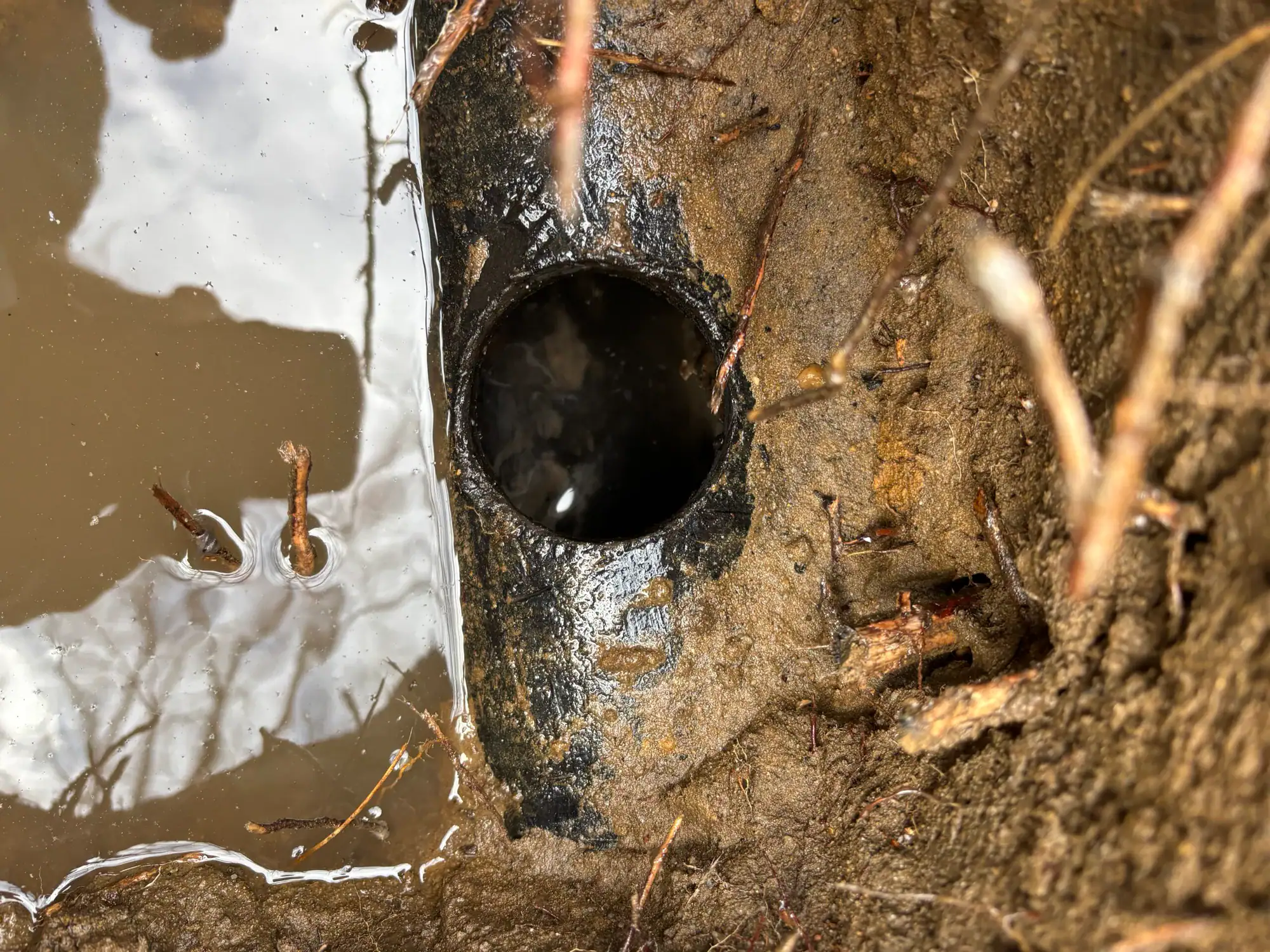
Your septic system is out of sight, but ignoring it has real consequences in Suffolk County. Here's what an inspection actually tells you.
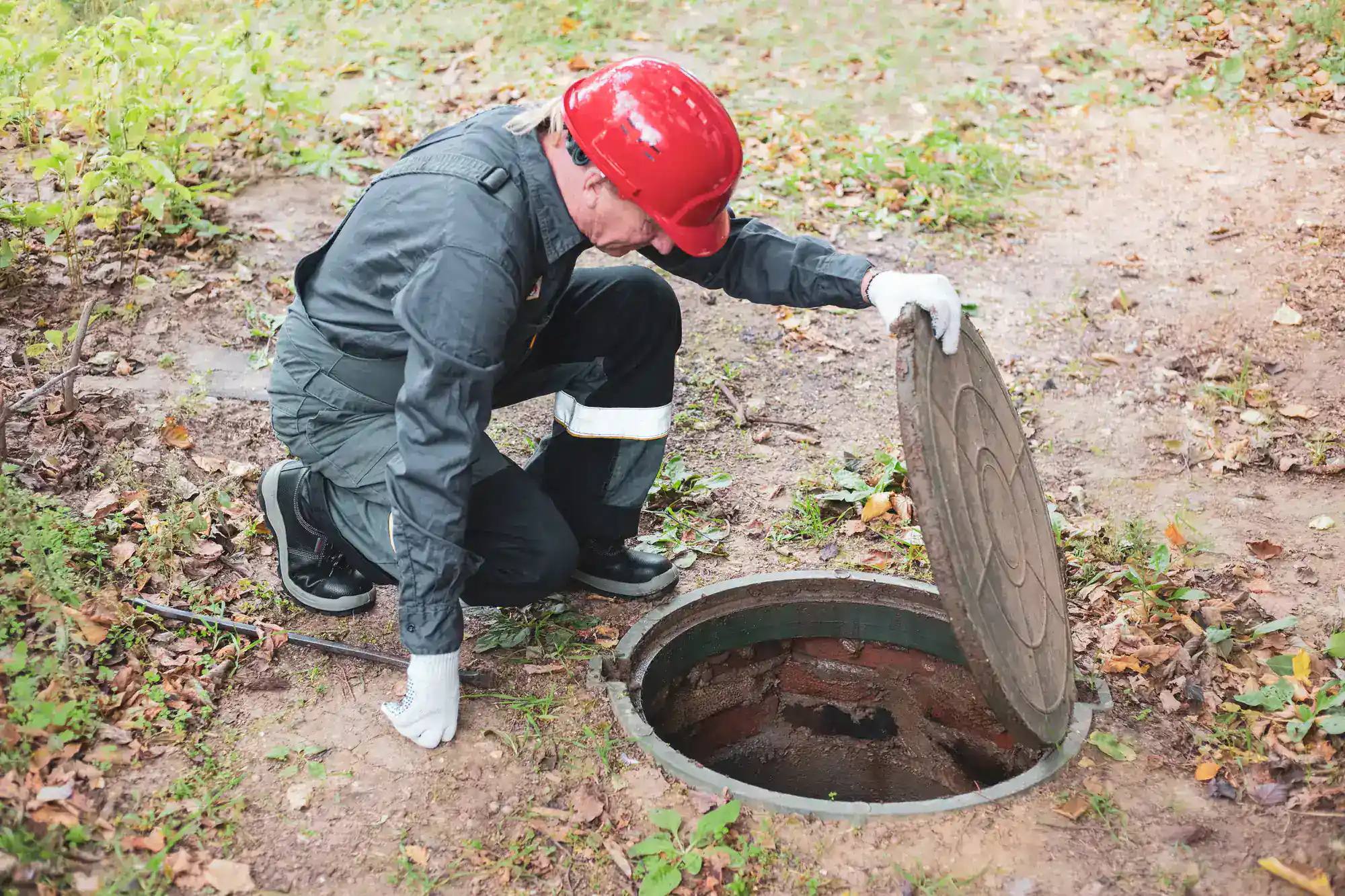
There’s a lot going on underground that you can’t see, smell, or hear — until the system fails. For the roughly three out of four Suffolk County homeowners who aren’t connected to a municipal sewer line, that invisible system is the only thing standing between your household and a very expensive problem. A septic tank inspection isn’t just a formality. It’s how you find out whether your system is quietly failing, whether you’re in compliance with county requirements, and what it’s going to take to stay that way. Here’s what the process actually looks like — and what it tends to reveal.
A lot of homeowners picture a quick look at the yard and a handshake. A real inspection is much more involved than that. When we inspect a system, we locate and uncover the tank access lids, measure the sludge and scum layers inside the tank, check the condition of the inlet and outlet baffles, run water from inside the home to observe how the system responds, and walk the drain field for signs of stress — wet patches, unusual odors, grass that’s growing a little too green in one spot.
Each of those steps tells a different part of the story. The sludge measurement, for example, follows a clear benchmark: once accumulated waste reaches one-third of the tank’s total volume, it’s time to pump. That’s not a sales pitch — it’s a physical threshold, and skipping it means solids start passing into the drain field, which is where repairs get expensive fast.
The most common surprise isn’t a catastrophic failure. It’s a system that looks fine from the outside but is quietly heading toward one. Deteriorating baffles are a good example. The inlet and outlet baffles inside your tank direct the flow of wastewater and keep solids from migrating where they shouldn’t. They’re made of materials that break down over time — and when they go, the system stops working the way it was designed to. You won’t notice it from your kitchen sink. We will.
Drain field stress is another one that catches homeowners off guard. The drain field is where treated wastewater disperses into the soil, and it’s the most expensive component of the system to repair or replace. In Suffolk County, the sandy, highly permeable soil that covers most of the county actually speeds up the process of contamination when a drain field starts to fail — there’s very little natural filtration between a compromised system and the groundwater beneath it. When we walk that area during an inspection, we’re checking the one thing that, if it’s failing, you really need to know about before it gets worse.
Camera inspections add another layer when something seems off. Video technology lets us look inside the pipes and the tank itself — finding cracks, root intrusion, or pipe deterioration that a visual check alone would miss entirely. It’s not always necessary, but for older systems or when symptoms are present, it’s the difference between guessing and knowing.
Most homeowners don’t realize there’s anything to do before the appointment — but a little preparation makes the inspection more useful and the visit faster. If you have records from previous inspections or pumping services, pull those out. Knowing when the tank was last pumped, what was found, and what work was done gives us important context and saves time on-site.
If you know where your tank is located, that helps too. In older Suffolk County homes — especially properties in Brentwood, Bay Shore, Coram, or the Islip area that were built in the 1950s and 60s — tank locations aren’t always documented clearly. If you’ve had previous service done, there may be a diagram on file. If not, our technician can locate it, but having that information speeds things up.
It’s also worth being present during the inspection if you can. Not because you need to supervise, but because we’ll walk you through what we’re seeing in real time. That conversation — “here’s your sludge level, here’s the condition of your baffle, here’s what the drain field looks like” — is where the real value of an inspection lives. You leave knowing exactly what’s happening with your system, not just getting a report in the mail a week later.
On the day of the visit, make sure the area around the tank access points is accessible. If there’s landscaping, furniture, or other obstructions over the tank, moving them ahead of time avoids delays. The inspection itself typically takes around two hours for a thorough job — less if the system is straightforward, more if there are complications worth investigating.
Want live answers?
Connect with a AAA Dependable Cesspool expert for fast, friendly support.
This is where Suffolk County differs from most of the country. The county’s Sanitary Code Article 6 requires that septic systems be inspected every three years, with documentation submitted to the Suffolk County Department of Health Services database. That’s not a general recommendation — it’s an enforceable requirement, and homeowners who skip it face fines ranging from $250 to $2,000.
There’s also a practical catch: only contractors holding an active Liquid Waste License through the Suffolk County Department of Labor, Licensing and Consumer Affairs can legally perform that work and submit the required county reports. If you hire someone who isn’t licensed, the inspection won’t count. You’ll still be out of compliance — and out of whatever you paid.
These are not the same thing, and the distinction matters. A routine maintenance inspection is a regular health check — measuring levels, checking components, determining whether pumping is due. It’s valuable and important, but it doesn’t automatically satisfy Suffolk County’s three-year compliance requirement unless it’s performed by a licensed contractor who submits the findings to the county database.
A formal compliance inspection is more structured. It produces a detailed written report with measurements, photographs, and compliance statements that the county accepts as documentation of your system’s status. If you’re approaching your three-year window, or if you’re selling your home and a lender or buyer is asking for septic documentation, a compliance inspection is what you need — not just a maintenance visit.
Real estate transactions add another layer. Suffolk County’s regulatory environment means that incomplete or improperly documented septic inspections can delay or derail closings. Buyers’ lenders often require specific documentation that satisfies both county standards and their own underwriting requirements. We know exactly what format the county expects, which avoids the kind of last-minute scramble that puts deals at risk.
The distinction between these inspection types is something a lot of homeowners only learn about when they’re already in a time crunch. If you’re not sure which one applies to your situation, that’s worth a conversation before you schedule anything.
Finding out your system has a problem during an inspection is never the news you want. But there’s a real difference between finding out during a routine inspection and finding out because your yard is backing up or your drains have stopped working. The first scenario gives you options. The second one doesn’t.
In Suffolk County, a failed system that needs full replacement now requires an Innovative/Alternative Onsite Wastewater Treatment System — commonly called an I/A OWTS. These nitrogen-reducing systems cost between $19,000 and $25,000 installed. That’s a significant number. But here’s what a lot of homeowners don’t know: Suffolk County’s Septic Improvement Program offers grants covering up to 75% of that cost — up to $25,000 — for qualifying properties.
The catch is timing. Accessing that program works best when you’re planning ahead, not responding to an emergency. An inspection that catches early-stage drain field stress or a failing system component gives you the runway to apply for grant funding, plan the work, and manage the cost. A system that fails catastrophically on a Saturday night puts you in emergency replacement territory, where grant timelines and planning windows don’t apply the same way.
This is part of why the county’s three-year inspection cycle exists. Long Island’s groundwater supplies 100% of the island’s drinking water — there’s no backup source. With 74% of Suffolk County on private septic systems, and nitrogen levels in local bays already at crisis levels, the county has a direct interest in making sure these systems are working. The inspections aren’t bureaucratic busywork. They’re how the county tracks what’s happening underground across hundreds of thousands of properties, and how individual homeowners stay ahead of problems that are much cheaper to fix early than late.
If you don’t know when your system was last inspected, that’s your answer. The three-year compliance window moves whether you’re tracking it or not, and the fines for missing it aren’t the worst outcome — the worst outcome is a system that’s been quietly failing for years because nobody looked.
A good inspection gives you clarity. You find out what’s working, what isn’t, what the county requires from you, and what your options are if something needs attention. That’s worth a couple of hours and a few hundred dollars, especially when the alternative is a five-figure emergency.
We’ve been doing this work in Suffolk County since 1998. If you have questions about where you stand — on compliance, on your system’s condition, or on what a real inspection actually involves — reach out. We’ll give you a straight answer.
Summary:
Article details:
Share: