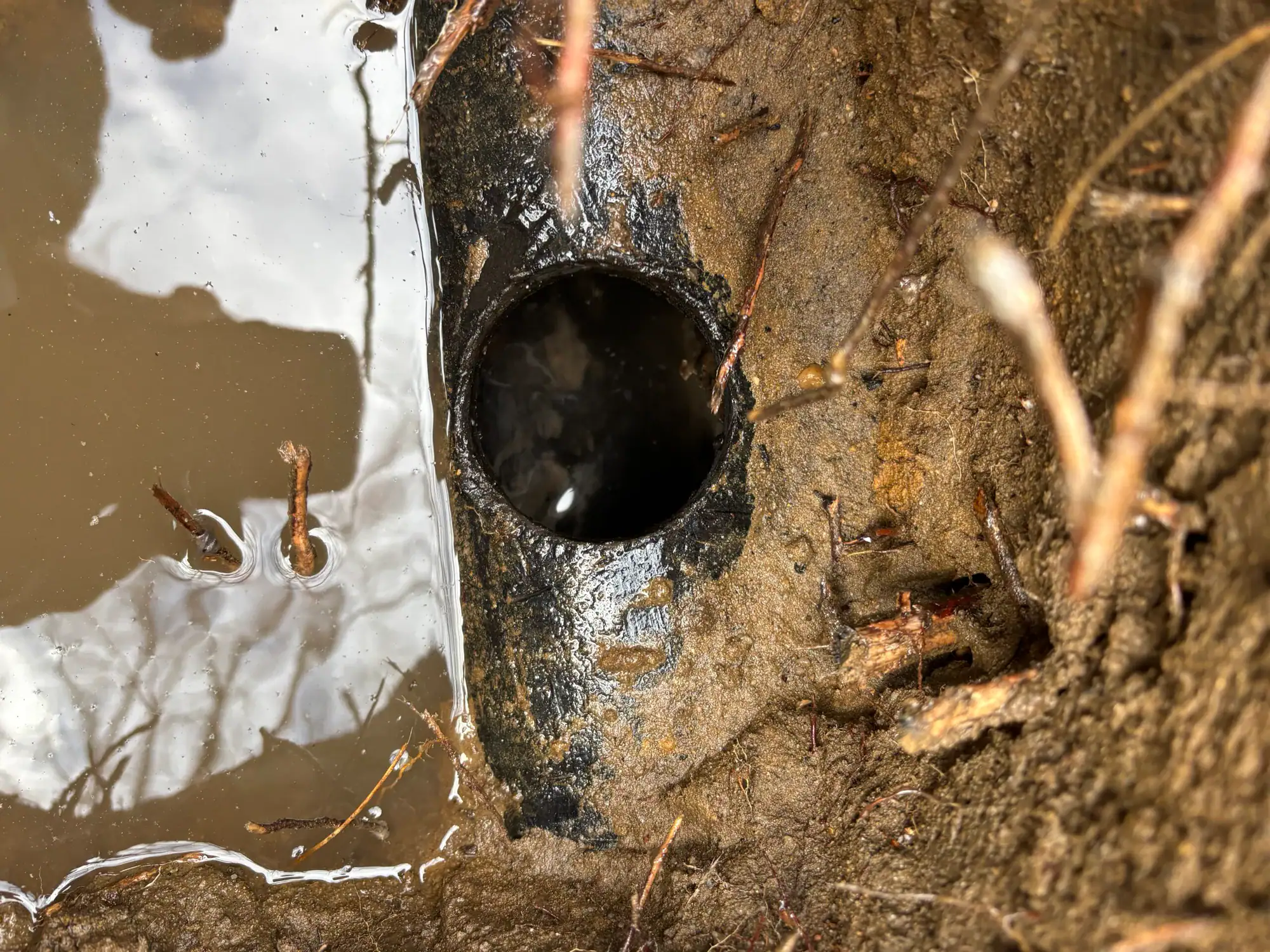
Most homeowners think septic maintenance means one thing. It's actually several — and skipping any of them is how a $400 visit turns into a $20,000 problem.
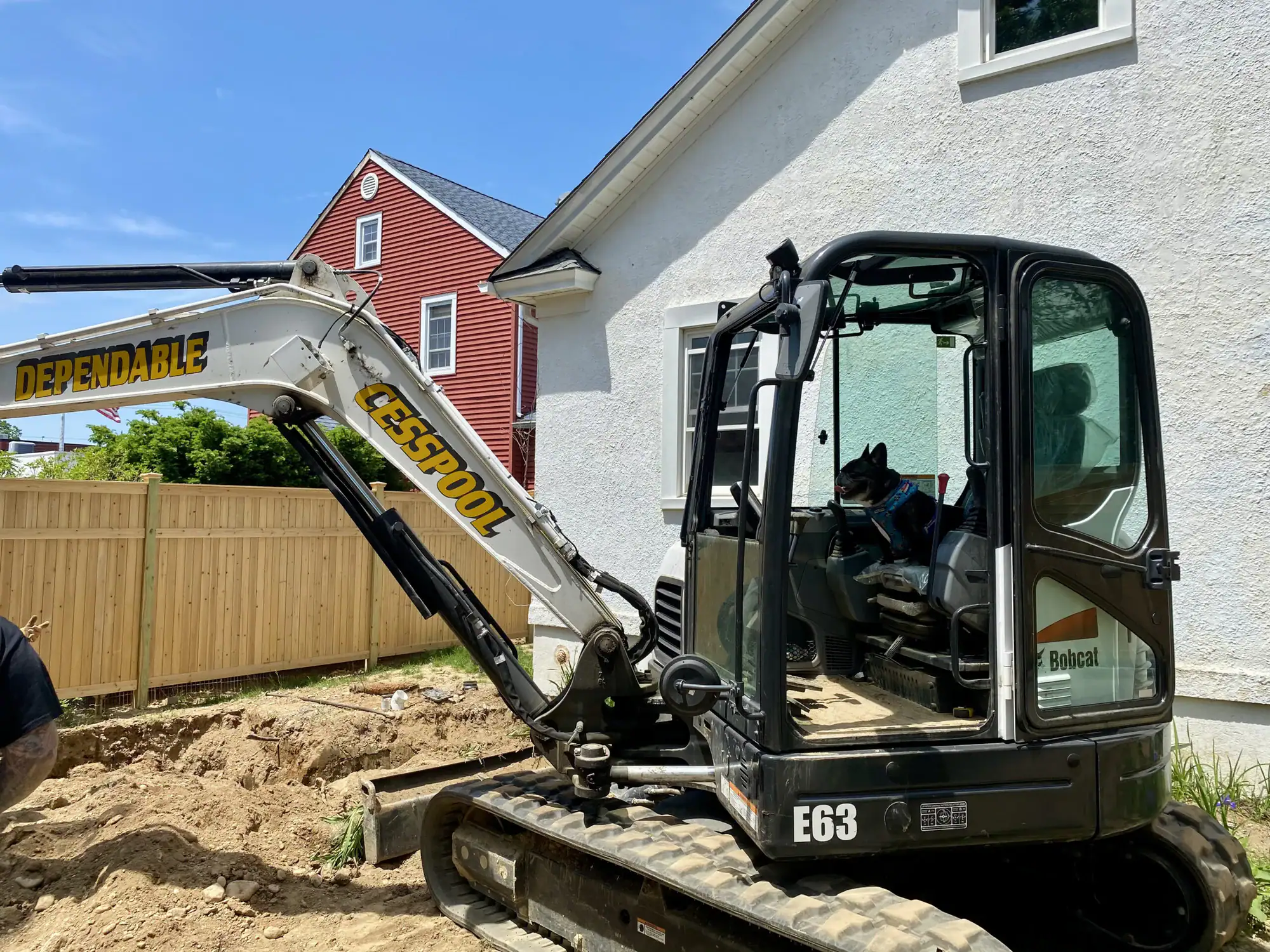
Most homeowners in Suffolk County don’t think about their septic system until something goes wrong. A slow drain. A smell near the yard. A backup on the night before guests arrive. By that point, the system has usually been trying to tell you something for a while.
The good news is that most septic problems are preventable. The not-so-good news is that “maintenance” means more than just calling a truck every few years and hoping for the best. There’s a process behind it — one that, when done right, protects your home, your property value, and honestly, the water you drink. Here’s what it actually looks like.
Pumping is the part everyone knows about. But a thorough maintenance visit involves more than pulling waste out of a tank and driving away. When we service a system properly, we’re also checking the inlet and outlet baffles — the components that keep solids from migrating into your drain field. We’re measuring sludge and scum levels before we pump, so there’s a documented baseline for next time. We’re looking at the drain field for signs of saturation or failure, and we’re telling you what we found in plain language before we leave.
That last part matters more than people realize. A lot of homeowners have had technicians show up, do the work quietly, hand over an invoice, and disappear — leaving them no clearer on whether their system is in good shape or quietly failing. That’s not how a maintenance visit should go. We walk you through what we found and what it means for your system’s future.
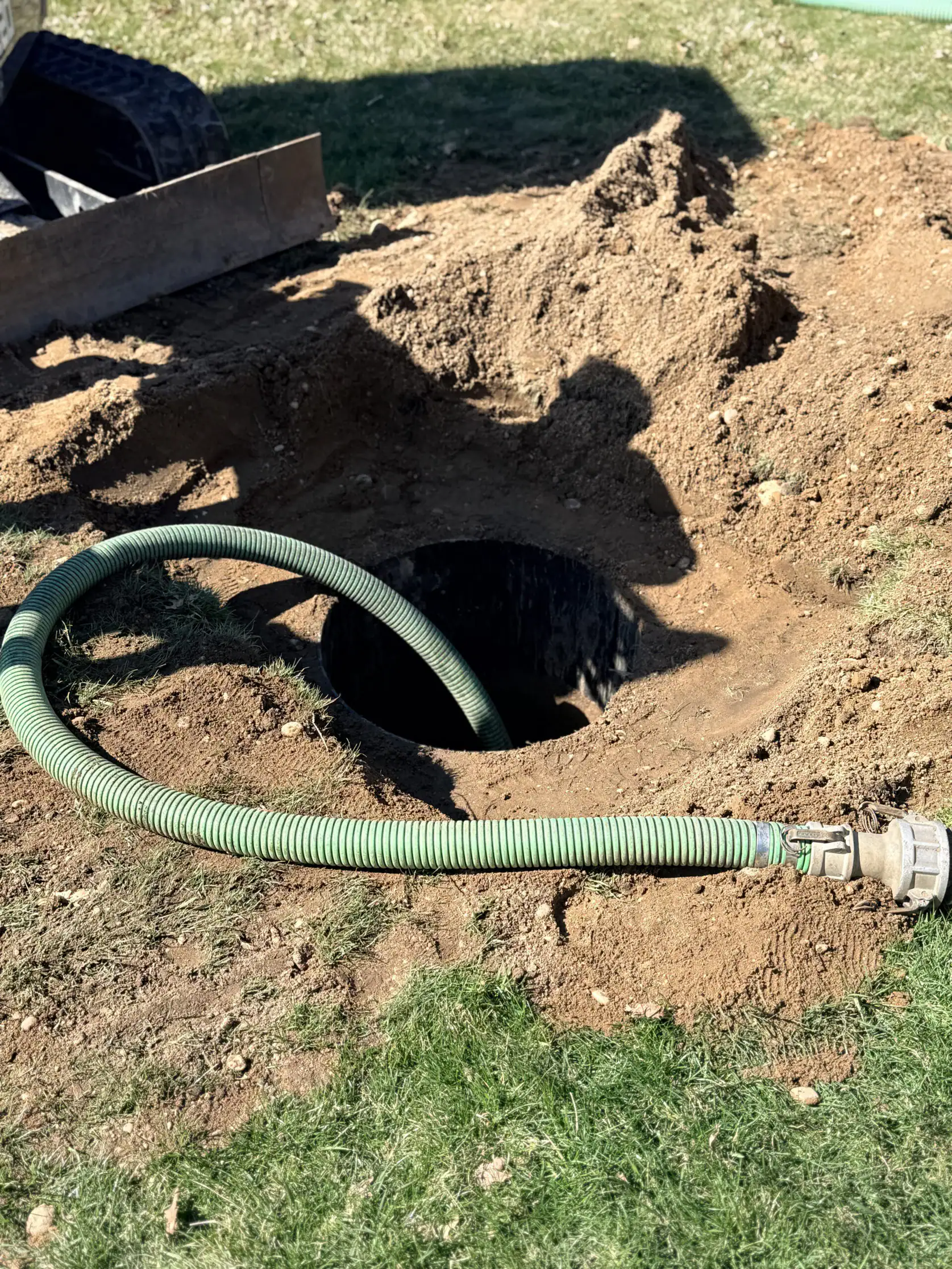
A septic pump out is the core of any maintenance visit, and it’s worth understanding what’s actually happening. We locate and uncover the access point to your tank — on older Suffolk County properties, this sometimes takes a few minutes if the lid is buried or hasn’t been accessed in years. Once open, we inspect the tank before anything is removed. Sludge depth is measured at the bottom, scum thickness is checked at the top, and the condition of the baffles is assessed while there’s a clear view.
Then the pump runs. Our vacuum truck pulls out the liquid waste, the accumulated sludge, and the floating scum layer — everything that’s built up since the last service. For a typical household tank, this takes roughly one to two hours from start to finish. It’s not a complicated process, but it does require the right equipment and someone who knows what they’re looking at.
After pumping, we often rinse the tank to loosen remaining solids, and we do a final check before closing everything up. You receive documentation showing how much was pumped and where it’s being taken for disposal. That paperwork isn’t just a receipt — it’s a maintenance record, and in Suffolk County, it matters when you go to sell your home. Buyers, attorneys, and lenders regularly ask for it.
One thing worth knowing: a pump out is not the same as a full tank draining or cleaning. Pumping removes the liquid and semi-liquid content. A complete cleaning — sometimes called full draining — goes further, removing all remaining solids and inspecting the tank walls and floor. Most systems don’t need that level of service every visit, but if a tank hasn’t been touched in a decade or more, it’s often the right call.
The generic answer you’ll find online is “every three to five years.” That’s a reasonable starting point, but it’s not the whole picture — and in Suffolk County specifically, it can lead homeowners in the wrong direction.
Suffolk County law requires a professional septic inspection every three years. That’s not a suggestion; it’s a regulatory requirement. But how often your system needs to be pumped depends on factors that vary from one household to the next. A family of four in Babylon with a conventional septic tank will likely need pumping every one to two years. A single person in a Riverhead cottage might be fine at three to four years. A vacation home in East Hampton that sits empty most of the year and then hosts a full house every summer weekend has a completely different usage profile — and a completely different service schedule.
The soil beneath your property matters too. Suffolk County’s sandy, porous geology means wastewater moves quickly through the ground, which reduces some backup risks but also means the county’s sole-source aquifer — the underground water supply that most of Long Island drinks from — is more vulnerable to contamination from failing systems than it would be in areas with clay-heavy soil. It’s part of why the county has taken such a serious regulatory stance on septic maintenance , and why the 2019 cesspool ban was put in place.
The honest answer to “how often do I need service?” is: it depends, and the only way to know for sure is to have a technician who actually checks your system and gives you a real recommendation based on what they see — not a generic schedule pulled from a brochure. That’s what we do after every visit. You leave knowing when we think you should call us back, and why.
Want live answers?
Connect with a AAA Dependable Cesspool expert for fast, friendly support.
These two terms get used interchangeably, but they’re not the same service. Regular pumping — what most maintenance visits involve — removes the liquid waste and the bulk of accumulated material from your tank. It’s efficient, it’s sufficient for a well-maintained system on a reasonable schedule, and it’s what keeps things running normally year to year.
Full septic tank draining goes a step further. It removes everything, including compacted solids that standard pumping may leave behind, and often includes a more thorough inspection of the tank’s interior. It’s typically recommended when a system has gone years without service, when a new homeowner has no maintenance records, or when we find something during a routine pump out that warrants a closer look.

If you just bought a house in Suffolk County and the seller couldn’t produce a single pump record, that’s a situation where full draining is worth considering. You genuinely don’t know what’s in there. The previous owners may have been diligent, or they may have ignored the system entirely for fifteen years. The only way to find out — and to establish a clean baseline going forward — is to get everything out and take a good look.
The same logic applies to older homes throughout the county. A large portion of Suffolk County’s housing stock was built before 1973, when cesspools were standard and maintenance records were rarely kept. If you’re living in a home where the cesspool or septic tank predates the Carter administration, a thorough draining and inspection isn’t just reasonable — it’s overdue.
There’s also a practical consideration for homeowners in the Hamptons and the East End who use their properties seasonally. A system that sits dormant from October through May and then suddenly handles a full house every weekend in June, July, and August is under a very different kind of stress than a year-round residence. Pre-season service — including a full draining if it’s been a few years — is one of the better investments a seasonal homeowner can make. It’s a lot less disruptive than dealing with a backup during a Fourth of July weekend with twelve people in the house.
The distinction between pumping and full draining isn’t something most homeowners need to figure out on their own. A technician who knows what they’re looking at can tell you which service is appropriate after a quick assessment. What you want to avoid is a company that defaults to the more expensive option without explaining why — or, on the other end, one that does a quick pump and leaves without checking whether that was actually sufficient.
It’s a fair question, and not enough people ask it. When we pump your system, the waste — technically called septage — has to go somewhere. In New York State, any company transporting septage is required to hold a DEC Part 364 Waste Transporter Permit. This permit requires legal disposal at an approved facility. Every vehicle is supposed to carry a copy of the permit. We can show ours to you without hesitation.
Why does this matter to you as a homeowner? Because illegal dumping of septage is a documented problem, and if a company is cutting corners on disposal, you have no way of knowing unless you ask. Beyond the environmental issue — and in a county where the drinking water aquifer sits just below the surface, that’s not a small concern — there can be liability implications for property owners who unknowingly used an unlicensed hauler.
The documentation you receive after a service visit shows the volume pumped and the disposal destination. We provide that information as part of every job, because proper disposal is just part of doing the work correctly.
This is also where the Suffolk County Consumer Affairs license comes in. It’s the primary local credential required for all cesspool and septic businesses operating in the county. It’s not optional, and it’s not just a formality — it’s how the county ensures that the people working on your system and hauling away your waste are operating legally and accountably. We’ve been licensed, insured, and operating in Suffolk County since 1998. That’s not a marketing line — it’s just the baseline of how this work should be done, and we think you deserve to know who you’re letting onto your property.
Septic maintenance isn’t complicated, but it does require someone who actually knows what they’re doing — and who will tell you the truth about what they find. For Suffolk County homeowners, that means working with a company that understands the county’s inspection requirements, knows how to read a system in sandy Long Island soil, and isn’t going to manufacture problems to pad an invoice.
The most expensive septic calls we go on are almost always ones that could have been avoided. A $400 pump out that didn’t happen becomes a $7,000 drain field repair. A missed baffle inspection becomes a full system replacement. Routine maintenance is genuinely one of the better investments you can make in a home worth over half a million dollars.
If you’re not sure when your system was last serviced, or you’ve moved into a house with no maintenance records, that’s the right time to call. We’ve been doing this work across Suffolk County for over 25 years — and we’ll tell you exactly what your system needs, nothing more.
Summary:
Article details:
Share: