Snaking keeps failing you. Here's why drain jetting works differently — and why it matters for Suffolk County's aging sewer lines and cesspools.

You’ve had the drain snaked. Maybe twice. It works for a few months, then the same slow gurgle comes back — usually at the worst possible time. If that sounds familiar, you’re not alone, and you’re not doing anything wrong. The issue is that snaking treats the symptom, not the cause. Drain jetting works differently. It cleans the entire interior of the pipe, not just pokes a hole through the blockage. This page walks you through how it actually works, when it makes sense over snaking, and what a professional service looks like from start to finish.
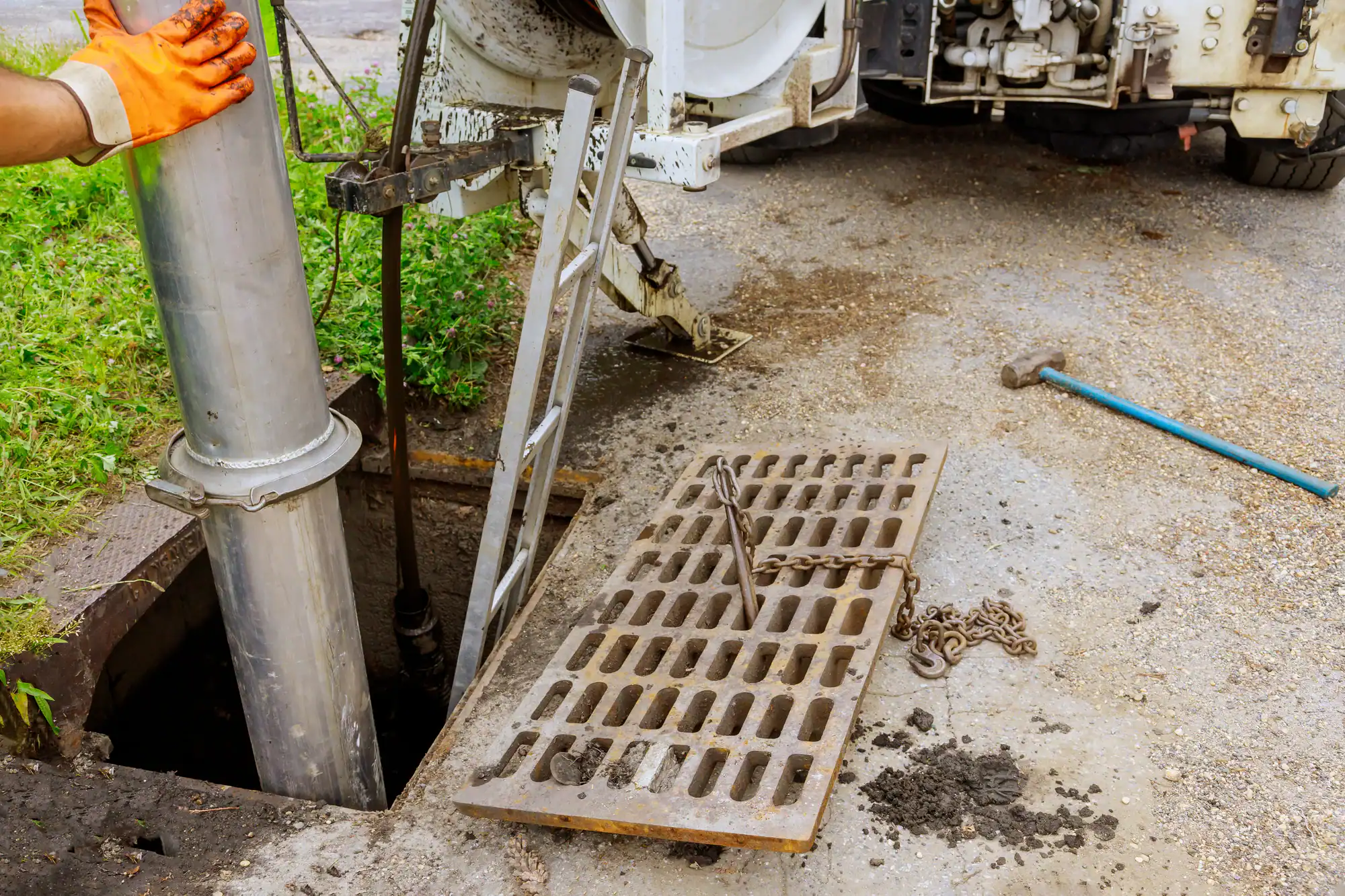
Drain jetting — sometimes called hydro-jetting — uses highly pressurized water to clean the inside of a pipe. We’re talking 2,000 to 4,000 PSI, directed through a specialized nozzle that’s fed into the line. The water doesn’t just push the clog forward. It scours the pipe walls, breaking apart grease buildup, mineral scale, silt, and debris that’s been accumulating for years.
A drain snake punches a hole through a blockage. Jetting removes the blockage and cleans the walls around it. That’s the real difference — and it’s why our jetting results last 2 to 3 years while snaking often needs to be repeated within months. For pipes that have been slowly narrowing due to buildup, jetting can restore flow to near-original capacity.

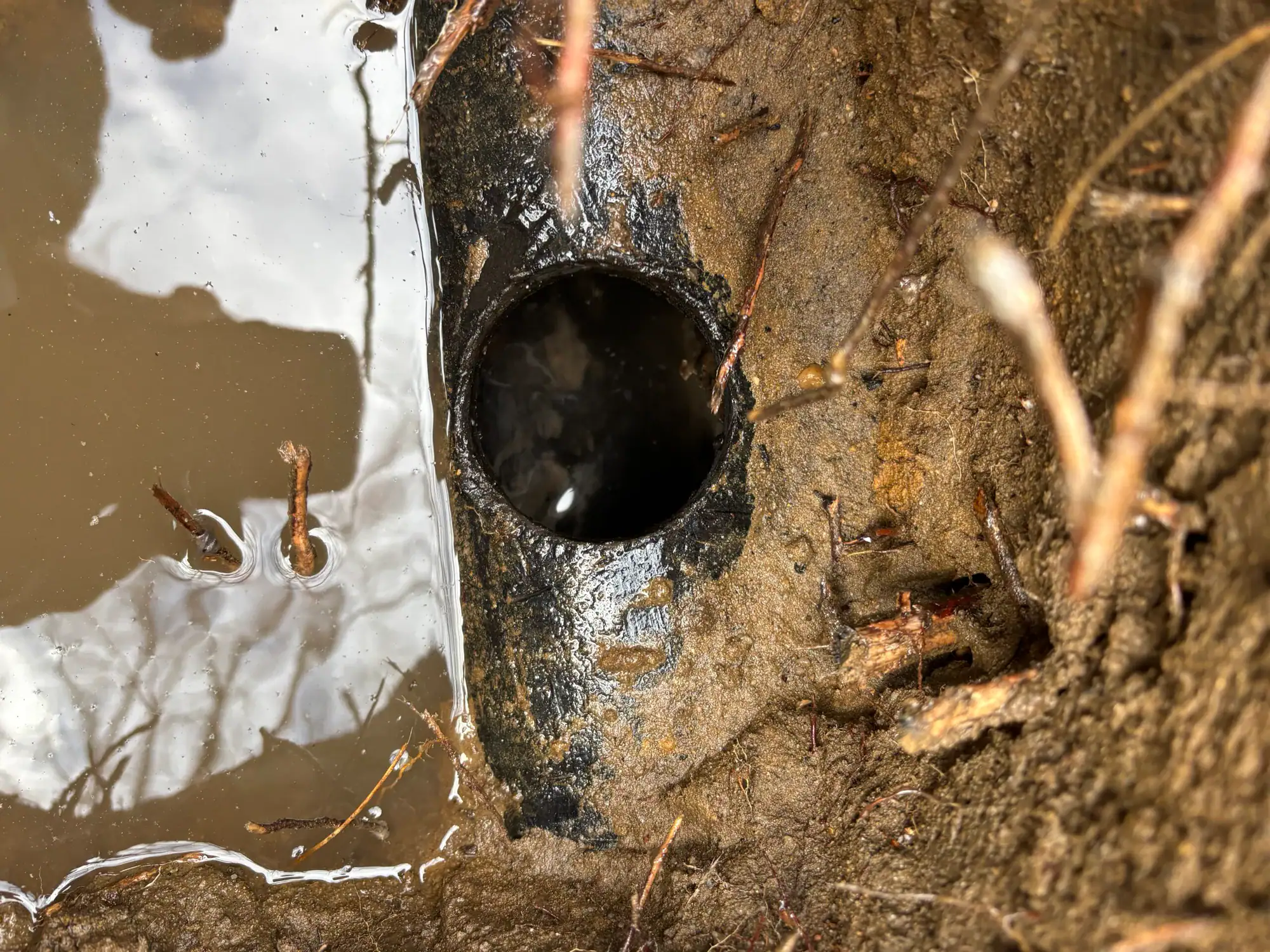
Before any jetting begins, we send a camera into the line. This isn’t optional — it’s how we determine what’s actually in the pipe, where the blockage is, and whether the pipe is in good enough condition to handle high-pressure water. Older pipes, cracked lines, or sections with structural damage need to be identified before jetting starts. Skipping this step is one of the biggest red flags when evaluating any drain service company.
Once the camera confirms the pipe can be safely jetted, our technician selects the right nozzle for the job. Forward-facing jets cut through tough obstructions. Rear-facing jets clean the pipe walls as the nozzle moves through the line. Multi-directional nozzles handle hardened scale or root infiltration. The nozzle choice isn’t arbitrary — it’s matched to the specific type of buildup in your pipe.
Pressure is also calibrated to the pipe material and diameter. A cast iron main line handles pressure differently than a smaller household drain. Our trained technicians adjust accordingly. This is part of why DIY jetting attachments sold online don’t deliver the same results — and why attempting them without a camera inspection first can cause real damage to older pipe systems.
After the jetting is complete, the camera goes back in. This confirms the line is clear, documents the results, and catches anything that needs a second pass. You walk away knowing exactly what we did and what your pipe looks like now. No guessing.
The whole process typically takes one to two hours for a standard residential line, depending on pipe length, access, and the severity of the buildup. More complex jobs — longer lines, heavy root intrusion, multiple blockages — take longer, but our approach remains the same.
This is the question most homeowners are really asking when they search for drain jetting. The honest answer is that snaking is the right call for some situations — and jetting is the right call for others. Knowing the difference saves you money and frustration.
Snaking works well for soft, localized clogs — a wad of hair near the drain, a small grease buildup that hasn’t hardened, or a simple obstruction close to the surface. It’s faster, less expensive upfront, and perfectly appropriate for straightforward blockages. We use snaking when it’s the right tool for the job. That’s part of how we keep costs reasonable for customers who don’t need the full treatment.
Jetting becomes the better option when the clog keeps coming back, when the buildup is hardened or spread across a longer section of pipe, when there’s tree root infiltration, or when the pipe walls are heavily coated with grease and scale. If you’ve had the same line snaked two or three times in the past year and the problem keeps returning, that’s a strong signal that snaking isn’t addressing the real issue.
There’s also a cost-over-time argument worth considering. Snaking a residential line typically runs $200 to $500 and provides relief for weeks to months. Our professional drain jetting in Suffolk County generally runs $600 to $1,400 for most residential jobs and keeps the line clear for 2 to 3 years. If you’re calling for a snake job every quarter, the math starts to favor jetting fairly quickly — and jetting actually solves the problem rather than managing it.
One more thing: for Suffolk County homeowners with cesspools, a blocked sewer line isn’t just a drain inconvenience. Backups create pressure on the entire system downstream. Over time, that pressure can damage the cesspool itself, turning a jetting job into a much more expensive repair. Keeping the sewer line clear is part of keeping the whole system healthy.
Want live answers?
Connect with a AAA Dependable Cesspool expert for fast, friendly support.
Suffolk County has a specific set of conditions that make professional sewer pipe cleaning more important here than in a lot of other markets. About 360,000 homes across the county rely on individual wastewater systems — cesspools and septic tanks — rather than municipal sewer connections. Most of those homes were built between the 1950s and 1980s. The pipes are older, the systems are aging, and the infrastructure was never designed for today’s household usage loads.
Add to that Long Island’s sandy, glacially deposited soil, which allows tree roots to travel farther in search of moisture and creates recurring drainage patterns that snaking alone can’t resolve. The same clog, over and over — that’s not bad luck. It’s a soil and infrastructure reality that requires a more thorough approach.
Drain jetting doesn’t exist in isolation. For Suffolk County homes with cesspools or septic systems, it’s one piece of a broader maintenance picture that includes cesspool pumping, video inspection, and — where applicable — sewer pump service.
Sewer pump systems, including ejector pumps and grinder pumps, move wastewater from lower-level fixtures up and out to the main sewer line or cesspool. When the drain line feeding into that system is partially blocked or coated with buildup, the pump works harder than it should. Over time, that extra strain shortens the pump’s lifespan and increases the risk of failure — usually at the worst possible moment.
Regular jetting of the lines connected to a sewer pump system reduces that strain. It keeps flow moving the way it’s supposed to and takes pressure off the mechanical components. We often recommend jetting as part of a complete system service when we’re already on-site for pump maintenance or cesspool pumping. It’s more efficient, and it gives you a clearer picture of your entire system’s condition in one visit.
This is the kind of connected, whole-system thinking that tends to be missing from companies that only focus on one service at a time. A drain line that’s 60% blocked doesn’t just slow your sink — it affects everything downstream.
This is something that doesn’t come up often enough in conversations about drain cleaning , but it matters here specifically. Suffolk County’s groundwater has a sole-source aquifer designation — meaning it’s the only source of drinking water for roughly 2.8 million people across Long Island. There’s no backup supply. What goes into the ground here ends up in the water.
Because of that, Suffolk County has specifically restricted the use of chemical solvents for drain and cesspool cleaning. Organic solvents used to dissolve clogs don’t stay in the pipe — they leach into the soil and eventually into the aquifer. The county’s own environmental code reflects this concern.
Professional hydro-jetting uses nothing but water. High-pressure, precisely directed water. No chemicals, no solvents, no residue left behind in the soil. It’s not just the more effective cleaning method — it’s the one that aligns with what Suffolk County’s environmental regulations are actually asking for. When a drain company shows up with chemical treatments as their primary solution, that’s worth questioning in this county specifically.
We’ve been working in Suffolk County since 1998. We’re licensed through Suffolk County Consumer Affairs, fully insured, and we understand the local regulatory environment because we’ve been operating inside it for over 25 years. That’s not a credential we mention for show — it’s relevant every time we decide how to approach a job on a property that sits above a shared aquifer.
If your drains are slow, backing up repeatedly, or you’ve had the same line snaked more than once in the past year, it’s worth having a camera inspection done before you call for another snake job. That inspection will tell you what’s actually in the pipe — and whether jetting is the right next step or whether something else is going on.
Not every slow drain needs jetting. But for Suffolk County homes with aging pipes, tree root exposure, or cesspools that depend on clean sewer lines to function properly, it’s often the most cost-effective solution over time. The goal is to fix the problem once, not manage it indefinitely.
We’ve been serving Suffolk County homeowners since 1998. We’re available 24/7, we’ll tell you what you actually need, and we won’t recommend a service you don’t. If you’re ready to stop dealing with the same drain problem on repeat, reach out and we’ll take a look.
Summary:
Article details:
Share: