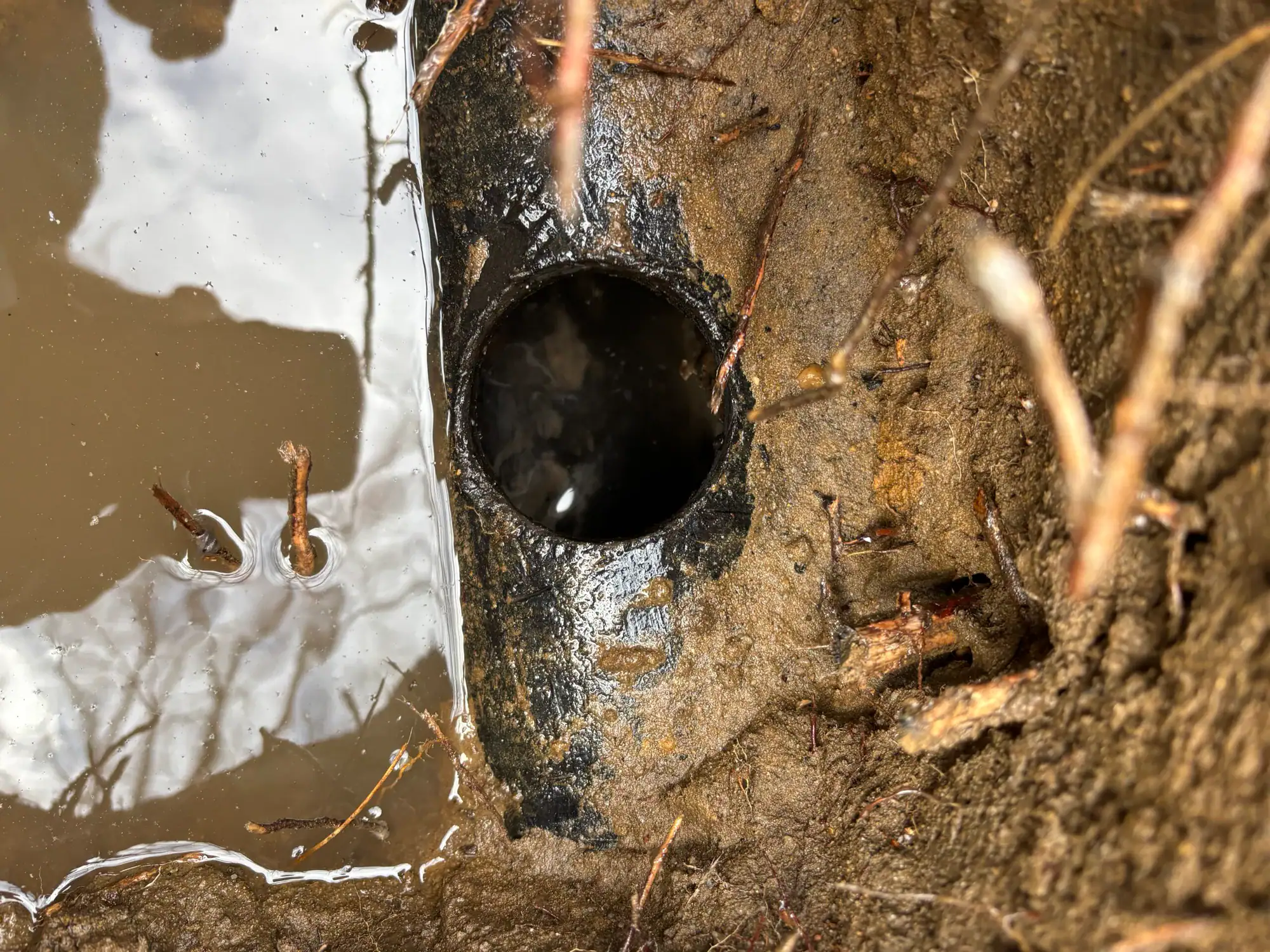
Full cesspool service isn't just maintenance—it's strategic investment that combines pumping, inspection, and additives to maximize your system's life while minimizing emergency breakdowns.
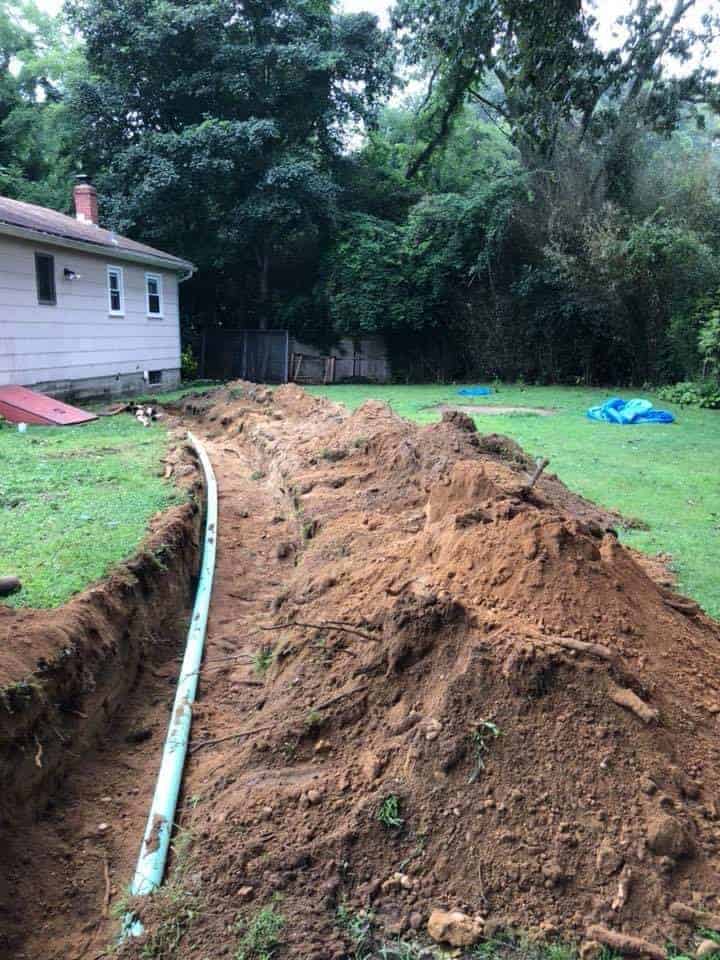
Your cesspool handles thousands of gallons every month, but most homeowners only think about it when something goes wrong. That reactive approach costs more than you realize—both in emergency repairs and shortened system life.
Full cesspool service changes that equation entirely. Instead of just pumping when problems arise, this comprehensive approach combines pumping, visual inspection, and maintenance additives to keep your system running efficiently for years longer. When underlying issues are discovered, timely upgrades or even professional cesspool installation may be recommended to protect your property long term.
Here’s what makes the difference and why it matters for your home and your investment.
Most homeowners think cesspool maintenance means calling for a pump-out when drains slow down. That’s reactive maintenance, and it’s costing you money. Full cesspool service takes a completely different approach.
Basic pumping removes waste that’s already accumulated. Full service prevents that accumulation from becoming a problem in the first place. The difference lies in the comprehensive approach—combining pumping with professional inspection and targeted maintenance additives.
This isn’t about selling you more services. It’s about understanding how your system actually works and what it needs to keep working efficiently for decades instead of years.
Full cesspool service works because it addresses three critical areas your system needs to function properly. Each component serves a specific purpose, and skipping any one of them leaves your system vulnerable.
Professional pumping removes accumulated solids before they clog your cesspool walls. When solids build up, they prevent liquid from draining into the surrounding soil, forcing your system to work harder and fail sooner. Regular pumping keeps this from happening, but timing matters more than you might think.
Visual inspection identifies problems before they become emergencies. During inspection, our experienced technicians look for signs of structural damage, improper drainage, and early warning signs of system failure. This isn’t just looking into the tank—it’s examining the entire system to spot issues that could cost thousands if left unaddressed.
Maintenance additives restore bacterial balance and improve drainage efficiency. Your cesspool relies on beneficial bacteria to break down waste naturally. Harsh household chemicals, excessive water usage, and normal wear can disrupt this balance. The right additives help restore proper bacterial activity and improve overall system performance.
Together, these three components work as a system. Pumping without inspection misses developing problems. Inspection without proper additives leaves bacterial imbalances unaddressed. Additives without pumping can’t work effectively in an overloaded system. The full service approach ensures each component supports the others.
Suffolk County’s unique environmental conditions make comprehensive cesspool care especially important. The local soil composition, water table variations, and proximity to sensitive ecosystems all affect how your system functions and what it needs to stay healthy.
Local regulations require specific maintenance frequencies and compliance standards that basic pumping alone can’t address. Suffolk County’s environmental protection requirements mean your system must meet stricter performance standards than in many other areas. Full service helps ensure you stay compliant while protecting local water sources.
The county’s high density of cesspool systems also creates unique challenges. When neighboring systems fail, it can affect soil conditions and drainage patterns that impact your property. Regular comprehensive maintenance helps your system continue functioning efficiently even when surrounding conditions change.
Weather patterns in Suffolk County—from heavy spring rains to summer drought conditions—place additional stress on cesspool systems. Full service maintenance helps your system adapt to these seasonal changes instead of being overwhelmed by them.
Most importantly, Suffolk County homeowners have learned that emergency cesspool failures are expensive and disruptive. The comprehensive approach prevents most emergencies by addressing problems before they become crises. This proactive strategy makes financial sense and provides peace of mind that reactive maintenance simply can’t match.
Want live answers?
Connect with a AAA Dependable Cesspool expert for fast, friendly support.
When homeowners skip comprehensive maintenance, they’re not just risking system failure—they’re guaranteeing higher long-term costs. The numbers tell the story clearly, and it’s not pretty for the reactive maintenance approach.
Emergency repairs typically cost three to five times more than preventive maintenance. When your system fails suddenly, you’re paying premium rates for immediate service, often including weekend or after-hours charges. You’re also dealing with property damage, health hazards, and the disruption to your household.
Shortened system lifespan is the hidden cost most homeowners don’t calculate. A properly maintained cesspool system can function effectively for 20-30 years or more. Systems that receive only basic pumping typically need major repairs or replacement within 10-15 years. That difference represents thousands of dollars in premature replacement costs.
Understanding how cesspool failures actually develop helps explain why comprehensive maintenance works so much better than basic pumping alone. System failure isn’t usually sudden—it’s the result of gradual deterioration that could have been prevented.
The process typically starts with bacterial imbalance. When beneficial bacteria populations decline, waste doesn’t break down properly. This leads to faster solid accumulation and changes in the liquid composition that your system must process. Without maintenance additives to restore bacterial balance, this problem compounds over time.
Next, solid buildup begins affecting drainage efficiency. As waste accumulates faster than it breaks down, the cesspool walls become clogged with material that prevents proper liquid drainage. This forces your system to hold more liquid than it was designed for, creating pressure that can cause structural damage.
Finally, the system reaches a tipping point where it can no longer handle normal household waste loads. This is when homeowners notice slow drains, odors, and other warning signs. By this point, the system often needs major repairs or complete replacement instead of simple maintenance.
Comprehensive maintenance interrupts this failure cycle at multiple points. Regular pumping prevents excessive solid buildup. Professional inspection catches structural issues before they become major problems. Maintenance additives keep bacterial populations healthy so waste breaks down properly. This multi-layered approach prevents the cascade of problems that leads to system failure.
The difference in outcomes is dramatic. Systems receiving comprehensive maintenance typically operate efficiently for decades with minimal issues. Systems receiving only basic pumping often experience recurring problems that get progressively worse until major repairs or replacement become necessary.
Maintenance additives aren’t magic solutions, but they play a crucial role in keeping your cesspool system functioning properly. Understanding what they actually do helps explain why they’re an important part of comprehensive maintenance.
Bacterial additives restore the natural waste-processing ability of your system. Your cesspool relies on beneficial bacteria to break down organic waste into simpler compounds that can be safely absorbed into the soil. Normal household chemicals—from bleach to antibacterial soaps—gradually reduce these bacterial populations. Quality bacterial additives help restore proper population levels.
Enzyme additives help break down specific types of waste that can cause problems. Grease, oil, and certain organic compounds don’t break down easily through normal bacterial action. Enzyme additives provide the specific biological tools needed to process these materials effectively, preventing them from accumulating and causing blockages.
pH balancing additives help maintain proper chemical conditions for bacterial activity. When your system’s pH becomes too acidic or too alkaline, beneficial bacteria can’t function properly. This leads to incomplete waste processing and system performance problems. Proper pH balancing keeps bacterial populations healthy and active.
The key is using the right additives at the right time in the right amounts. This requires understanding your system’s specific conditions and needs—which is why professional service makes such a difference. Random additive use can actually harm your system by disrupting natural processes or introducing incompatible chemicals.
Professional maintenance includes testing to determine what your system actually needs, then providing appropriate additives in proper concentrations. This targeted approach ensures additives help your system instead of creating new problems.
The evidence is clear: comprehensive cesspool maintenance costs less and works better than reactive approaches. For Suffolk County homeowners, this isn’t just about saving money—it’s about protecting your property and avoiding the disruption that comes with system failures.
Full cesspool service provides the strategic advantage of preventing problems instead of just responding to them. Your system gets the complete care it needs to function efficiently for decades, not just until the next emergency. You avoid the stress, expense, and health risks that come with system failures.
Most importantly, you’re working with professionals who understand Suffolk County’s unique requirements and challenges. When you’re ready to make the smart choice for your property’s long-term health and your family’s peace of mind, we’re here to provide comprehensive cesspool care that actually works.
Summary:
Article details:
Share: