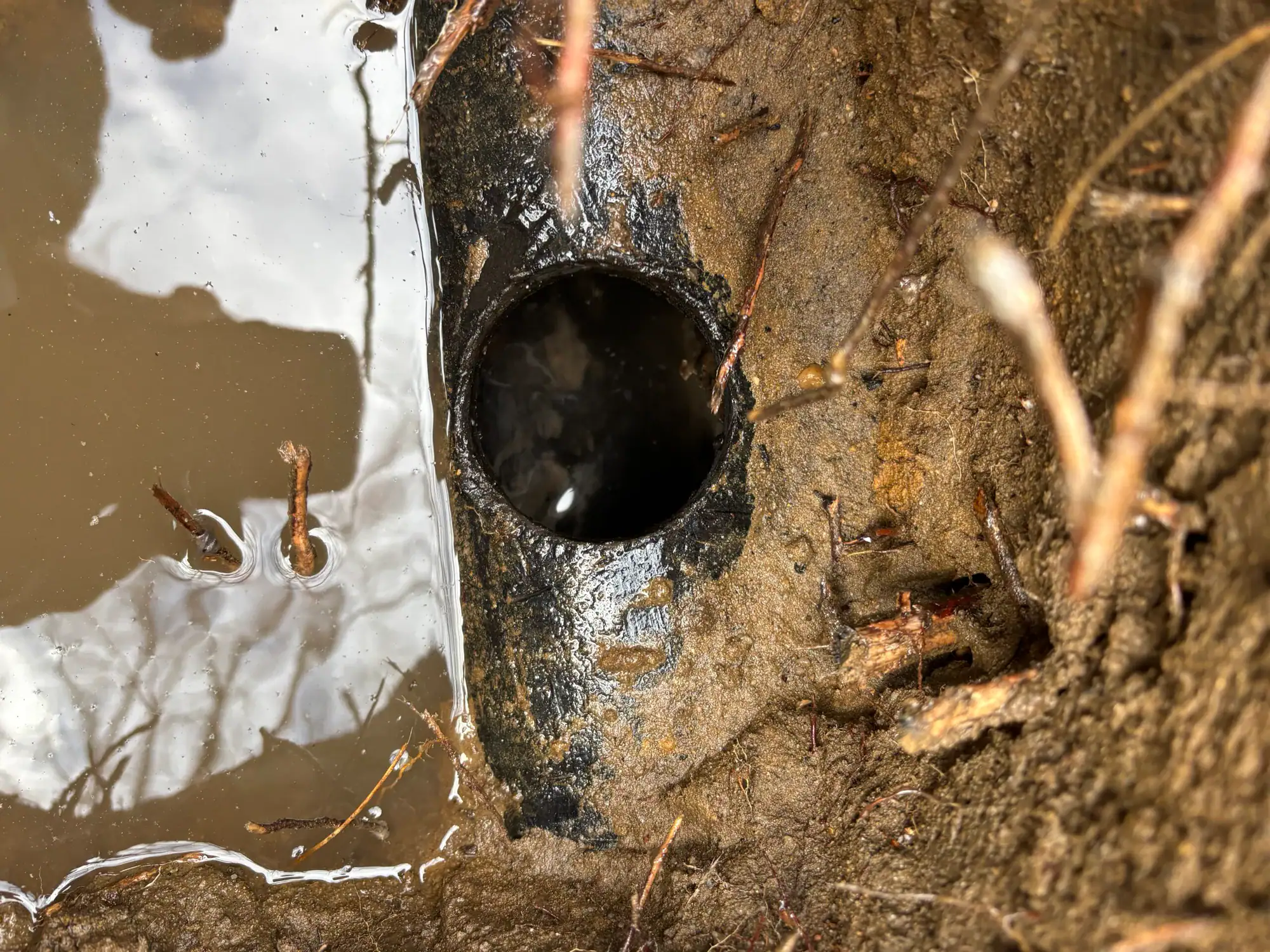
Discover the warning signs of unfair cesspool installation quotes and learn how to protect yourself from costly scams in Suffolk County.

You need a cesspool installation, and you’re getting quotes that range from reasonable to absolutely ridiculous. The problem isn’t just finding the right price—it’s avoiding the contractors who will take your money and leave you with compliance headaches, legal issues, or worse. Changing regulations make this even trickier, and some contractors are taking advantage of confused homeowners.
Before signing any contract, make sure you understand what’s included in a professional installation, from permits and inspections to materials and long-term compliance. Here’s what you need to know to spot the red flags before they lead to significant property issues.
Let’s get one thing straight: Suffolk County Executive Steve Bellone has signed legislation banning the installation of cesspools, effective July 1, 2019. This means any contractor quoting you a traditional cesspool installation is either uninformed or dishonest.
Suffolk County’s strict 2025 mandate requires all new installations and major replacements to include nitrogen-reducing technology. These are advanced treatment systems that meet environmental standards.
The regulatory reality? Suffolk’s septic improvement program offers grants that can cover a significant portion of the project. Any contractor who doesn’t mention these grants or seems unfamiliar with current regulations should raise immediate concerns.
Here’s your first major warning sign: a contractor who quotes you for a “standard installation” without mentioning nitrogen reduction technology. Many homeowners unknowingly receive quotes for outdated systems, leading to compliance headaches.
A legitimate contractor should immediately explain that Innovative and Alternative Onsite Wastewater Treatment Systems (I/A OWTS) are on-site decentralized wastewater treatment systems that, at a minimum, are designed to reduce total nitrogen in treated effluent to 19 mg/l. If they’re not discussing this upfront, they’re either behind on regulations or hoping you don’t know better.
The permit process alone should be part of their conversation. There are regulatory issues that must be addressed, you’ll often have to get a permit from your local town or county and there are plumbing and environmental issues to consider. A contractor who skips this discussion is planning to skip the proper procedures.
Watch for contractors who seem surprised when you mention current Suffolk County requirements. They might offer to “look into” the new regulations or suggest that “most people don’t worry about that stuff.” These responses should end the conversation immediately.
The bottom line: any quote that doesn’t address nitrogen-reducing technology and proper permitting is automatically suspect. You’re not just buying a hole in the ground—you’re investing in a system that needs to meet 2026 environmental standards.
This is where many Suffolk County homeowners get burned. Consumers often fail to obtain written contracts and provide funds before work begins, leaving them vulnerable to scams. The pattern is always the same: smooth-talking contractor, urgent timeline, and a request for the majority of the funds before work begins.
New York State law is crystal clear on this issue. Never provide the full amount for the project before it starts. Advance payments should be limited to a standard minority portion of the project total. Any contractor asking for a majority of the funds upfront is operating outside normal business practices.
Here’s what legitimate contractors do instead: Any funds received by a contractor from a customer prior to substantial completion of the job must be put into a trust (escrow) account in a bank located in New York State within five business days and the customer must be informed where the money is being held within ten business days.
The excuses you’ll hear from questionable contractors are predictable. “We need to order special equipment.” “Materials are harder to get.” “We can start sooner if you pay now.” All red flags. Legitimate contractors have established relationships with suppliers and don’t need your funds to purchase materials.
Pay attention to payment milestones that don’t align with work progress. A fair structure might be: a small deposit to start, followed by progress payments when permits are secured, when excavation is complete, when the system is installed, and finalization after inspection approval. Anything that requires high levels of funding before work is completed should concern you.
Remember, if the contractor requires a deposit, try to negotiate a minimal amount. Establish a schedule based on work completed and stick to it. Keep in mind that contractors are required to put your deposit in an escrow account and notify you within five days where the funds are being held or prove they have bond insurance.
Want live answers? Connect with a AAA Dependable Cesspool expert for fast, friendly support. [Get A Free Quote] Call: 631-738-7100
Want live answers?
Connect with a AAA Dependable Cesspool expert for fast, friendly support.
The lowest quote is not always the best deal. Compare the materials and methods suggested by different companies to decide what is best for your home. In Suffolk County’s current regulatory environment, extremely low quotes often mean corners will be cut where you can’t have them cut.
The grant situation adds another layer of complexity. Since rebates can cover significant portions of installation, some contractors might misrepresent the grant process. Others may plan to hit you with “unexpected” compliance issues later.
Here’s where many homeowners get blindsided: quotes that look reasonable until you discover they don’t include permits, inspections, or compliance requirements. There are regulatory issues that must be addressed, you’ll often have to get a permit from your local town or county and there are plumbing and environmental issues to consider.
A complete Suffolk County installation quote should include permit applications, soil testing requirements, environmental compliance measures, and inspections. If these items aren’t clearly listed, you’re looking at an incomplete quote that will grow significantly in scope.
Watch for vague language like “permits additional” or “compliance pending.” Legitimate contractors know the requirements in Suffolk County and should include these items clearly. The permit process isn’t optional—you may need a permit to install a replacement, depending on your property and the system’s design. This step must be completed before installation can begin.
Some contractors will suggest they can “handle permits quickly” without explaining the process. This often means they’re planning to cut corners or they don’t understand current requirements. Either scenario puts you at risk for compliance issues down the road.
The inspection process is particularly important with nitrogen-reducing systems. These aren’t simple installations that get rubber-stamped approvals. They require specific testing and verification that the system meets environmental standards. Any quote that doesn’t account for this complexity is unrealistic.
Legitimate installation projects don’t require immediate decisions, but scam artists love to create artificial urgency. Others create a sense of urgency that puts pressure on the homeowner to make an immediate decision. In the Suffolk County market, this often sounds like “regulations are changing next month” or “materials are becoming unavailable tomorrow.”
The reality is that Suffolk County’s regulations are already in place and well-established. The changes are effective July 1, 2021 and require I/A OWTS to be installed under a number of circumstances. Any contractor claiming new surprise regulations are coming is either uninformed or lying.
Common pressure tactics include “limited-time pricing,” claims about material shortages, or suggestions that permits will become harder to get. These are manipulation techniques designed to prevent you from doing proper research or getting competing quotes.
Watch for contractors who discourage you from getting multiple estimates or who criticize other contractors without specific technical reasons. Professional contractors understand that homeowners should shop around and won’t pressure you to decide immediately.
The grant application process also gets misrepresented. Some contractors claim grants are “running out” or that you need to “act fast” to secure support. The truth is that property owners who choose to upgrade their basic system can receive substantial support if deemed eligible. These programs are ongoing, not emergency limited-time offers.
Take time to verify any claims about urgency. Call Suffolk County Health Services directly if a contractor claims regulations are changing. Check with multiple contractors about material availability. Most “urgent” situations turn out to be sales pressure, not actual deadlines.
The Suffolk County installation market has legitimate contractors who understand current regulations, respect proper timelines, and provide complete quotes that account for all compliance requirements. The challenge is separating them from contractors who use confusion about new regulations to take advantage of homeowners.
Remember the key red flags: contractors unfamiliar with nitrogen-reducing requirements, demands for large upfront payments, incomplete quotes missing permit details, artificial urgency, and proposals that seem disconnected from current market realities. When you encounter these warning signs, keep looking.
Your investment in a compliant installation protects your property value, avoids legal complications, and contributes to Suffolk County’s environmental goals. Take the time to find contractors who understand these stakes and work transparently. For honest, experienced guidance on installation that meets all current Suffolk County requirements, we provide the expertise and transparency you need to make confident decisions about your property.
Summary:
Article details:
Share: