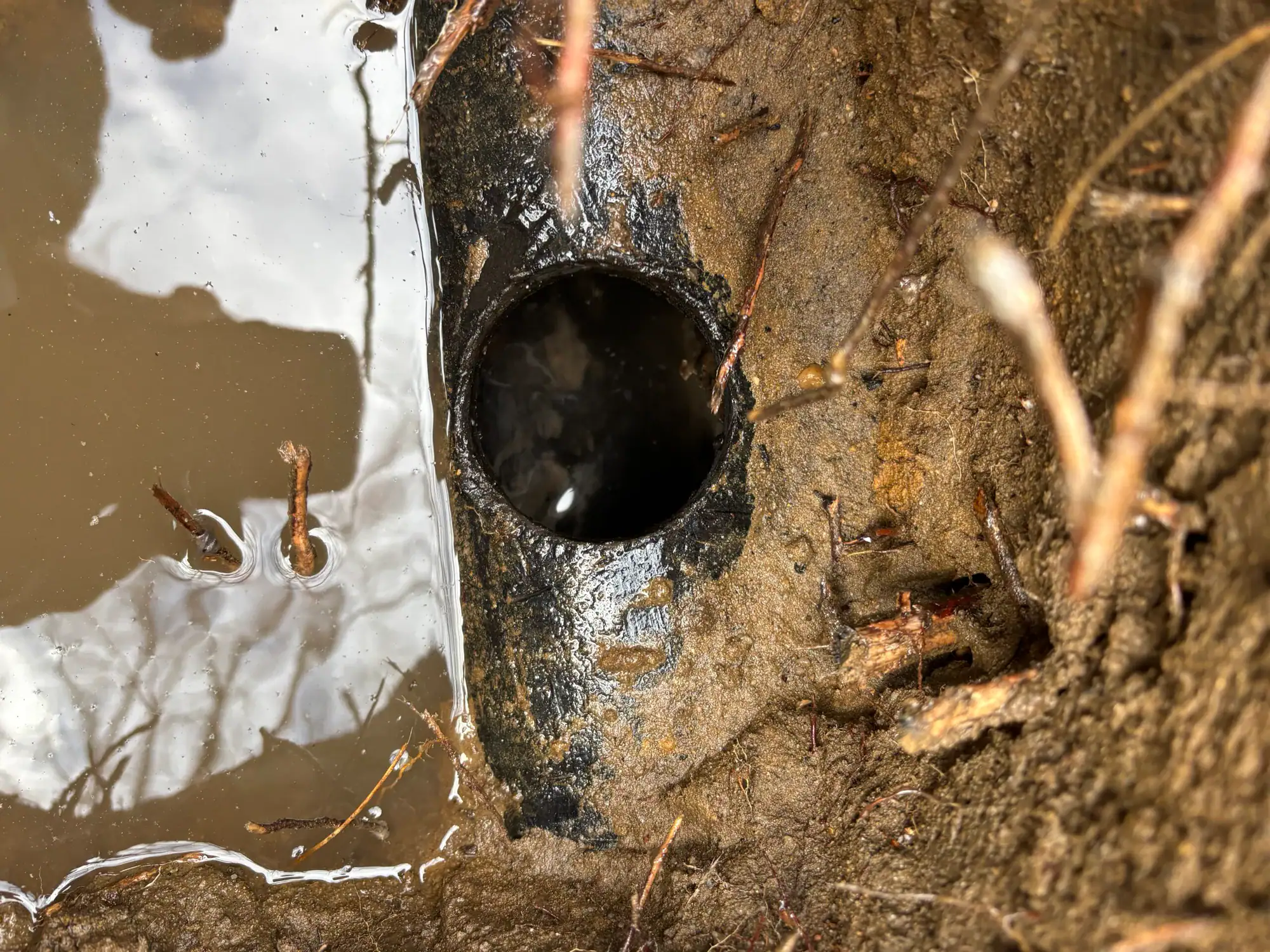
Suffolk County's heavy rain creates unique cesspool challenges. Rising water tables and saturated soil can trigger backups even in recently pumped systems—here's what you need to know.
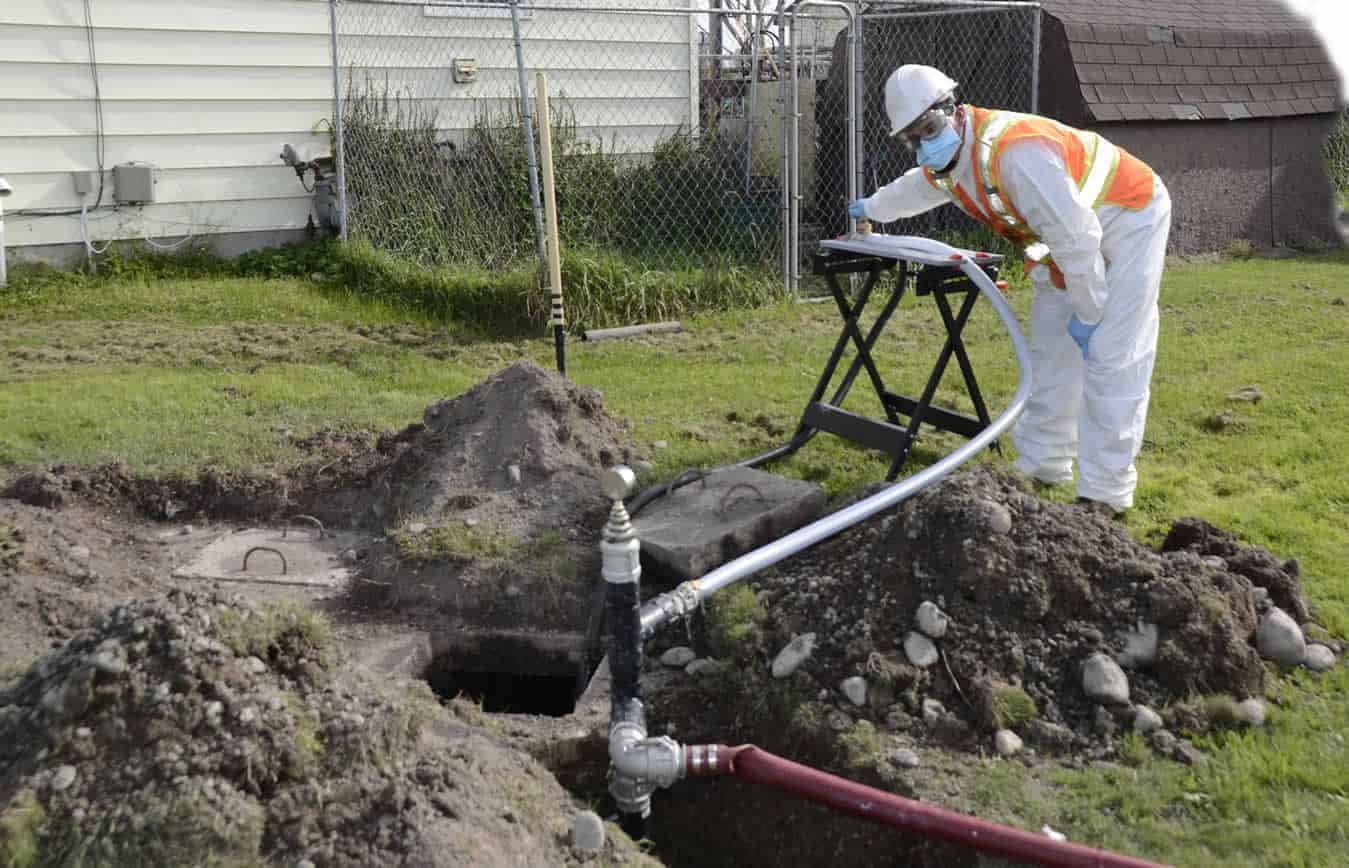
Suffolk County sits on soil that behaves differently than most places. You’ve got areas with clay-heavy soil that drains slowly, and coastal zones with sandy soil that normally drains fast. Both create specific problems when heavy rain hits.
Your cesspool depends on the surrounding soil to absorb liquid waste. Under normal conditions, that works fine. But when rain saturates the ground around your system, the soil can’t accept any more water. It’s like trying to pour water into a sponge that’s already soaking wet—there’s nowhere for it to go.
The August 2024 flooding across northern Suffolk County showed exactly how fast this can escalate. Systems that had been working fine for years suddenly backed up within hours of heavy rain. That wasn’t because the cesspools were full of solids. It was because the ground around them couldn’t handle any more liquid.
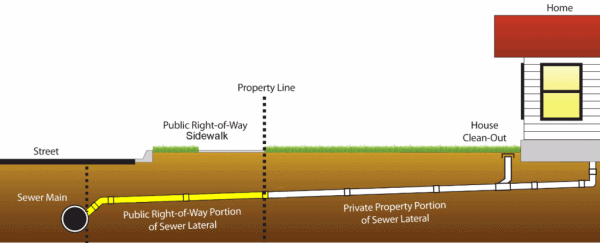
The water table is the level underground where soil becomes completely saturated with groundwater. In Suffolk County, this level fluctuates based on rainfall, snowmelt, and proximity to the coast. During dry periods, the water table drops. After heavy rain, it rises—sometimes dramatically.
When the water table rises close to your cesspool, it creates pressure from below. Your system is designed to let liquid seep out through side-wall drainage into the surrounding soil. But if that soil is already saturated because the water table has risen, there’s no room for your wastewater to go.
This is why you can experience backups even when your cesspool was pumped recently. The solids aren’t the problem. The problem is that your leaching pool or overflow tank can’t drain because the ground around it is waterlogged. Pumping removes solids, but it doesn’t fix saturated soil.
Long Island’s coastal location makes this worse. Storm surges don’t just bring rain—they can temporarily elevate groundwater levels, essentially drowning your cesspool from below while rain pounds it from above. Your system is getting hit from both directions, and there’s only so much it can handle.
The water table situation varies across Suffolk County. Areas closer to the coast or near bodies of water see more dramatic fluctuations. Properties in clay-heavy soil areas experience slower drainage even under normal conditions, so when the water table rises, those systems struggle first.
If your cesspool backs up during every significant rain event but works fine during dry weather, rising water table is likely your issue. Pumping might buy you temporary relief by creating more capacity in your primary pool, but it’s not addressing the root cause—your system can’t drain into saturated soil.
Soil saturation is different from a high water table, though they’re related. Saturation happens when the spaces between soil particles fill completely with water. Once soil is saturated, it can’t absorb any more liquid until some of that water drains away or evaporates.
Your cesspool’s side-wall drainage depends on unsaturated soil around it. Liquid waste seeps through openings in your cesspool walls (whether that’s gaps between pre-cast cesspool rings, openings in brick cesspool construction, or perforations in concrete) into the surrounding soil. The soil acts as a natural filter, and the liquid eventually makes its way down to the water table.
But when heavy rain saturates the soil, this whole process stops. The liquid waste has nowhere to go. It stays in your cesspool instead of draining out. Your system fills faster than normal because none of the liquid is leaving—only solids are being added.
Clay-heavy soil, common in parts of Suffolk County, makes this worse. Clay particles pack together tightly and hold water for extended periods. After heavy rain, clay soil can stay saturated for days or even weeks. During that entire time, your cesspool is essentially operating as a holding tank instead of a leaching system.
Sandy soil drains faster under normal conditions, but even sand has limits. When rain comes down faster than sandy soil can absorb it, you get temporary saturation. And if your cesspool was already near capacity, even a brief period of saturated soil can trigger backups.
The drain field or leaching pool connected to your primary cesspool faces the same issue. These components are designed to spread liquid waste over a larger area so soil can absorb it gradually. But if the soil in that entire area is saturated, the distribution system doesn’t help. The whole setup stops draining.
This is why timing matters. If you pump your cesspool right before a major storm, you’re creating capacity for the rain period when your system can’t drain. That’s smart planning. But if you pump during or right after heavy rain while the soil is still saturated, you’re not gaining much—your system will fill back up quickly because it still can’t drain properly.
Want live answers?
Connect with a AAA Dependable Cesspool expert for fast, friendly support.
Pumping your cesspool removes accumulated solids and sludge from the tank. This creates more capacity for liquid waste and prevents solids from clogging your distribution system. It’s essential maintenance that most Suffolk County homeowners need every 2-3 years depending on household size and water usage.
But pumping doesn’t fix saturated soil. It doesn’t lower the water table. And it doesn’t make clay soil drain faster. Understanding this difference helps you know when pumping solves your problem and when you’re dealing with something else.
If your cesspool backs up during heavy rain but works fine the rest of the year, and you’ve had it pumped within the last year or two, pumping probably isn’t your solution. You’re dealing with temporary soil saturation or water table rise that will resolve itself once weather conditions improve.
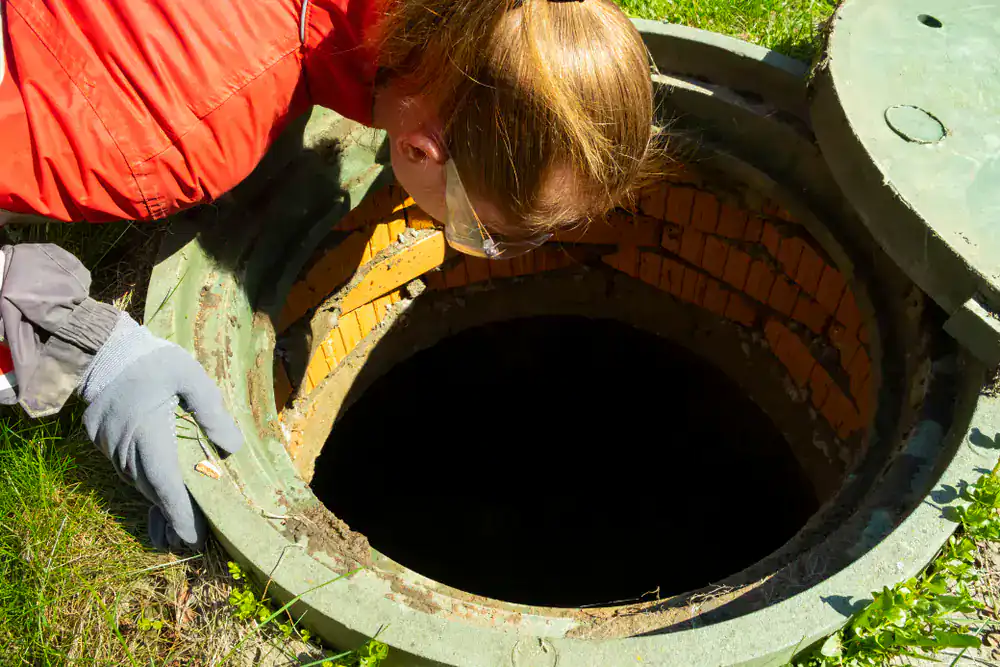
Slow drainage that happens regardless of weather conditions indicates solid buildup. If your sinks, showers, and toilets drain slowly even during dry periods, that’s your cesspool telling you it needs pumping. The solids layer has built up enough to reduce your system’s capacity.
Sewage odors around your property during dry weather signal the same issue. When solids accumulate, they create gases that escape through vents or around your cesspool cover. These smells shouldn’t be constant—if you notice them regularly, it’s time for service.
Gurgling sounds from drains when you run water or flush toilets indicate air displacement in your system. This often happens when your cesspool is getting full and air bubbles are being pushed back through your plumbing. It’s an early warning sign that you’re approaching capacity.
Standing water or wet spots in your yard that don’t go away, even during dry periods, suggest your cesspool is overflowing. This is an emergency situation that requires immediate pumping. The longer waste sits on the surface, the more risk to your property and your family’s health.
Frequent backups or slow drainage that’s getting progressively worse over time—not just during rain events—indicate solid accumulation. If you notice the problem is happening more often or taking longer to resolve, your cesspool needs attention.
The key difference is consistency. Problems that only appear during or right after heavy rain are usually related to soil saturation and water table issues. Problems that persist regardless of weather are typically related to solid buildup that pumping will fix.
Most Suffolk County households with cesspools need pumping every 2-3 years. Larger families or homes with garbage disposals might need annual service. If it’s been longer than three years since your last pumping, or if you can’t remember when you last had service, schedule an inspection. Better to pump proactively than to deal with an emergency backup.
Pumping your cesspool before a predicted heavy rain event creates capacity for the period when your system can’t drain normally. It’s one of the most effective strategies for preventing storm-related backups, but timing matters.
If you pump at least a week or two before predicted severe weather, your system has time to return to normal operation before the storm hits. This timing ensures any disturbed sediments have settled and your cesspool is functioning properly when you need it most.
Emergency pumping right before a storm—within 24-48 hours—still helps if your system is near capacity. You’re creating room for the days when saturated soil prevents normal drainage. Even if your cesspool fills faster than usual during the storm, you’ve bought yourself buffer time before it reaches critical levels.
The benefit is greatest if your cesspool was already approaching the point where it needed pumping anyway. If you’re due for service within the next few months and a major storm is forecast, moving that service up makes sense. You’re not pumping unnecessarily—you’re just adjusting timing for maximum protection.
But if your cesspool was pumped within the last few months and is nowhere near capacity, pre-storm pumping probably isn’t necessary unless you have other risk factors. Those factors include clay-heavy soil that drains slowly, a history of storm-related backups, or a location in a low-lying area prone to water table rise.
Properties with older brick or block cesspools benefit more from pre-storm pumping than those with newer pre-cast concrete ring systems. Older systems often have reduced capacity due to age-related deterioration, and they’re more vulnerable to infiltration from surface water. Creating extra capacity before storms provides an additional safety margin.
After the storm passes and soil begins to drain, your cesspool will gradually return to normal function. The saturated soil around your system will slowly absorb water again, and your side-wall drainage will resume working. This process takes time—anywhere from a few days to a couple of weeks depending on soil type and how much rain fell.
During this recovery period, conserve water in your home. Run only essential loads of laundry, take shorter showers, and avoid using garbage disposals. Every gallon you don’t send to your cesspool gives your system more time to recover normal drainage function.
Heavy rain affects your cesspool differently than solid waste buildup. Understanding the difference helps you make smart decisions about when pumping solves your problem and when you’re dealing with temporary conditions that will resolve themselves.
Rising water tables and soil saturation are real issues in Suffolk County, especially given our coastal location and soil conditions. These factors can cause backups even in recently pumped systems. But they’re temporary—once weather conditions improve and soil drains, your cesspool will return to normal function.
Regular pumping every 2-3 years prevents solid buildup that makes storm-related problems worse. Pre-storm pumping creates capacity for periods when your system can’t drain normally. And knowing the warning signs of actual cesspool problems helps you distinguish between maintenance needs and weather-related issues.
If you’re dealing with recurring drainage issues or you’re not sure when your cesspool was last serviced, we can help. We’ve been serving Suffolk County since 1998, and we understand exactly how local soil conditions and weather patterns affect cesspool systems. We’ll give you honest answers about what your system needs—not what makes us the most money.
Summary:
Article details:
Share: