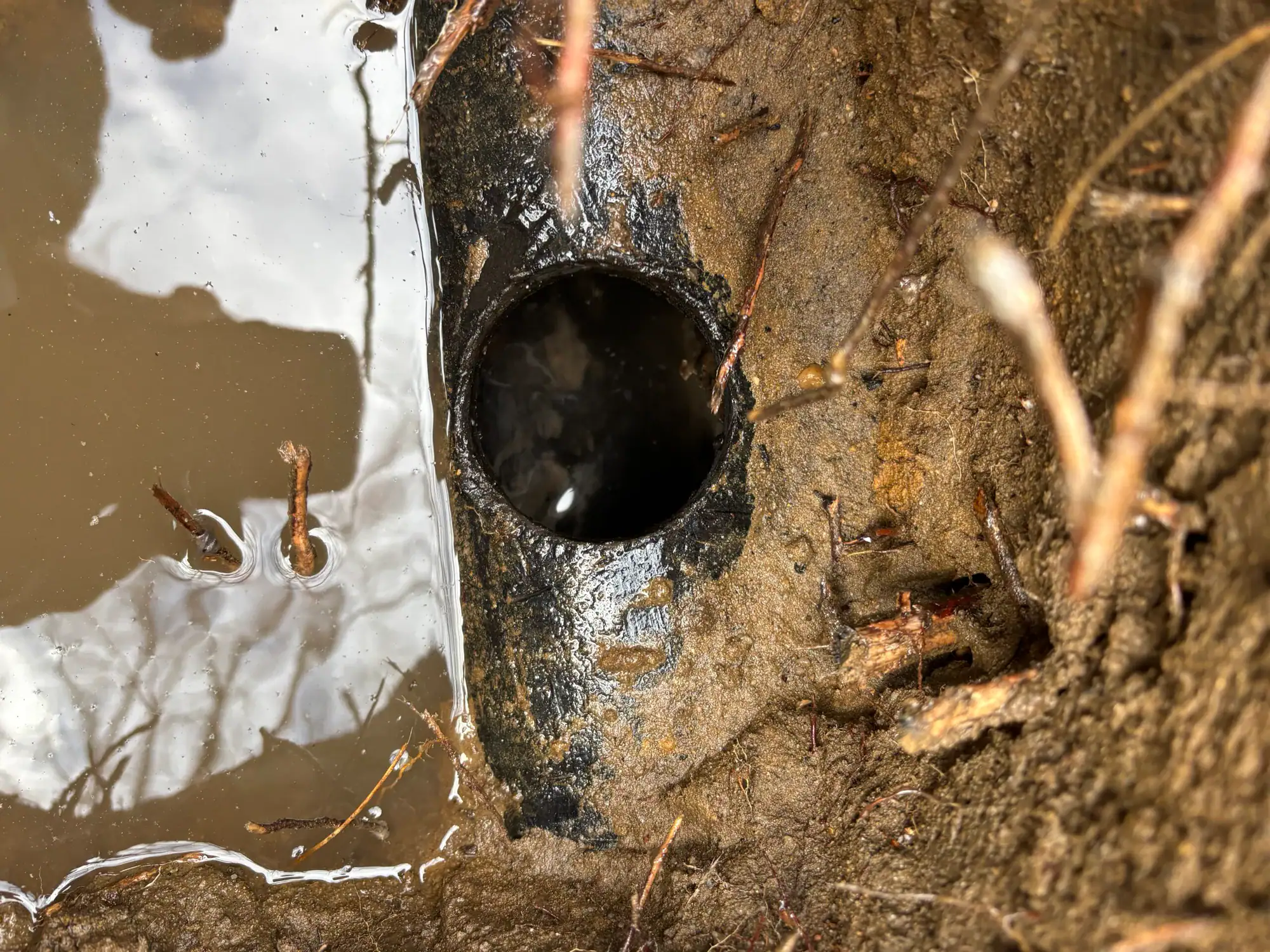
South Shore waterfront properties need specialized cesspool care. Salt air, high water tables, and storm exposure create maintenance challenges standard programs don't address.
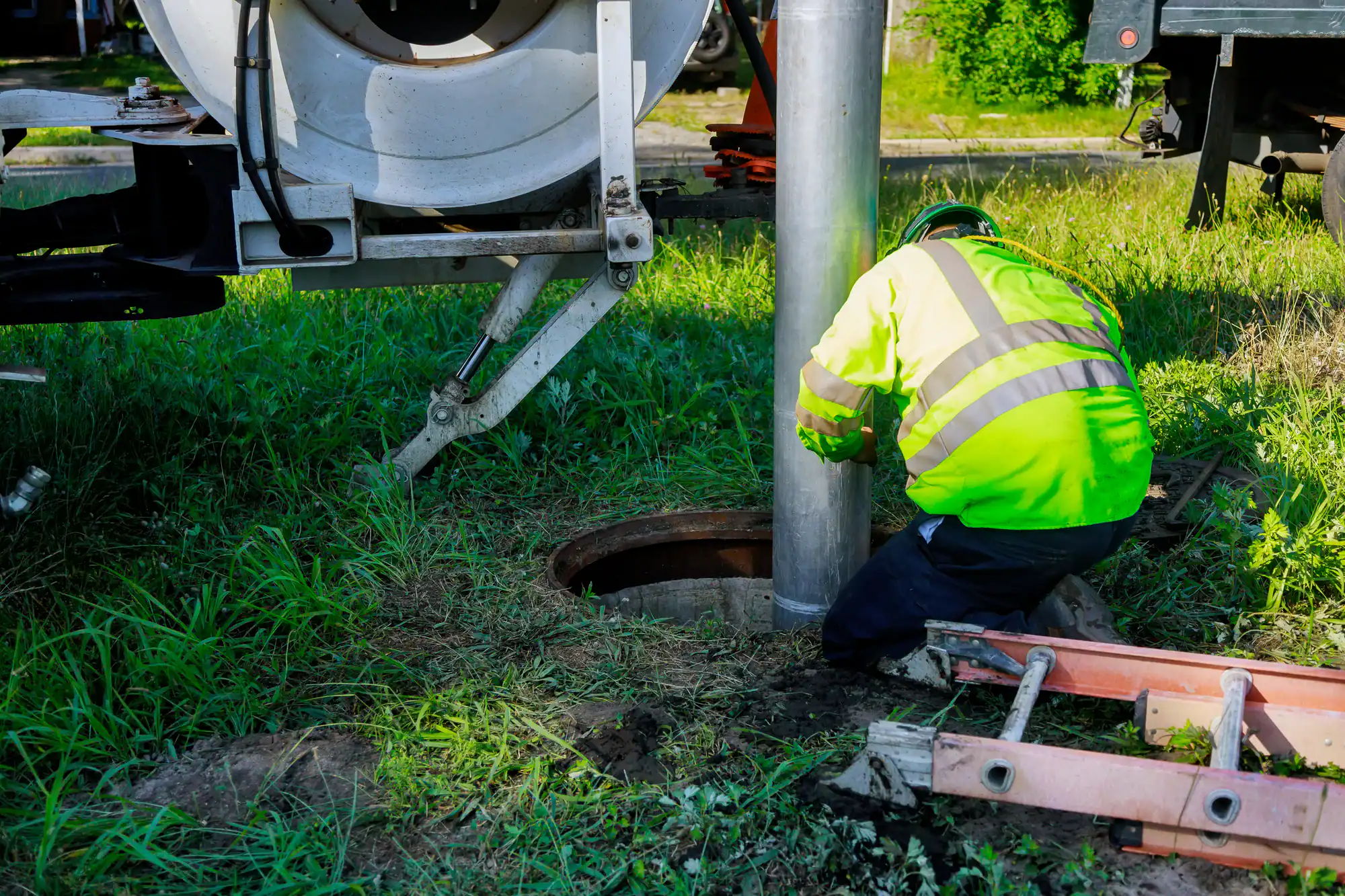
The same water views that make South Shore properties valuable also create maintenance realities you can’t ignore. Your cesspool isn’t just processing household waste. It’s doing that job while dealing with environmental factors that don’t exist in Hauppauge or Commack.
High water tables mean your system sits closer to groundwater than cesspools further inland. During heavy rains or storm surge, that groundwater rises. When it does, your cesspool has less soil to work with for filtering and drainage. Less soil means less treatment capacity right when your system needs it most.
Salt air does real damage over time. It corrodes metal components, weakens seals, and accelerates wear on everything from pipes to tank access covers. A system that might go five years between major issues inland could need attention every two to three years at the coast. That’s not a defect. That’s physics and chemistry working on your equipment every single day.

Most Suffolk County, NY homeowners hear they should pump their cesspool every three to five years. That’s fine if you live in Centereach. It’s not enough if you live in Mastic Beach, NY.
High water tables saturate soil faster during wet weather. When soil stays saturated, your cesspool can’t drain properly. Wastewater has nowhere to go except back toward your house or up toward the surface. You’ll notice slow drains first. Then toilets that don’t flush quite right. By the time you see standing water in your yard, the problem has been building for weeks.
Waterfront properties typically need pumping every two to three years, not three to five. Some homes need it annually, especially if you’re in a low-lying area or your property floods during spring tides. The schedule depends on your specific location, your system’s age, and how close you sit to the water.
During storms, rising groundwater can flood your septic tank through any opening—manhole covers, inlet pipes, outlet connections. When groundwater gets inside your tank, it displaces the space meant for household waste. Your system fills up faster than normal. You might need emergency pumping even if you just had service six months ago.
The solution isn’t just pumping more often. It’s monitoring your system based on actual conditions, not a calendar. After major storms, you need someone who knows what to look for. Before hurricane season, you need preventive service that accounts for what’s coming. Generic maintenance schedules don’t do that. Coastal-specific maintenance programs do.
Your system also needs inspection after flooding events, even if everything seems fine. High water can shift soil, damage pipes, or crack tank walls without causing immediate backups. Those hidden problems turn into expensive emergencies months later if nobody checks. Regular coastal maintenance catches them early, when fixes cost hundreds instead of thousands.
Salt air doesn’t just affect boats and cars. It’s working on your cesspool components every day, even the ones buried underground. Access covers corrode and seal improperly. Metal risers rust through. Older galvanized pipes develop leaks that let groundwater in and wastewater out.
You might not notice these problems until they cause a backup. By then, what could have been a simple repair has become a system failure requiring emergency service. Waterfront-specific maintenance programs look for salt air damage during every visit, not just when something breaks.
Corrosion happens faster near the water. A pipe that lasts forty years inland might need replacement after twenty at the coast. Tank covers that should last decades start leaking after ten years. If your service company doesn’t account for accelerated wear, they’re not really maintaining your system. They’re just pumping it and hoping nothing breaks before the next visit.
The fix starts with using corrosion-resistant materials when repairs are needed. Plastic risers instead of metal. Coated covers instead of bare steel. Modern materials cost more upfront but last longer in salt air. A maintenance program that understands coastal conditions will recommend these upgrades before the old components fail, not after.
Inspection should include checking all access points for seal integrity. Even small gaps let rainwater in during storms, filling your tank with clean water that displaces capacity you need for actual sewage. That’s how you end up with a backup even though your tank was pumped six months ago. Coastal maintenance programs seal those gaps before they cause problems.
Your inlet and outlet pipes need attention too. Salt air corrodes connections where pipes enter the tank. Those connections can separate just enough to leak without causing an obvious failure. You lose capacity slowly over months. By the time you notice slow drains, the problem is significant. Regular inspection catches these issues early, when they’re still minor repairs.
Want live answers?
Connect with a AAA Dependable Cesspool expert for fast, friendly support.
Generic cesspool maintenance means showing up every few years to pump your tank. Coastal maintenance means understanding what your system faces and planning service around those specific challenges.
Your maintenance program should start with frequency based on your actual conditions, not an industry average. If you’re in a flood zone, you need more frequent service. If you’re on sandy soil close to the water, your schedule should reflect that. If you’ve had backups during storms before, that history matters.
Every service visit should include a complete system assessment. Not just pumping, but inspection of all components. Check the tank for cracks. Test inlet and outlet flow. Examine the condition of pipes and connections. Look for signs of groundwater intrusion. Verify that access covers seal properly. These checks catch problems before they cause emergencies.

Hurricane season isn’t just a weather concern for waterfront homeowners in Babylon, NY or West Islip, NY. It’s a cesspool maintenance issue. Storm surge and heavy rain create conditions that can damage or overwhelm your system in hours.
Before storm season starts, your system needs preparation. That means pumping even if you’re not due for regular service. An empty tank has capacity to handle the extra water that comes with flooding. A tank that’s half full before a storm hits will overflow when groundwater rises. You can’t pump during a hurricane. You need that capacity ready before the weather turns.
Post-storm inspection matters just as much as preparation. After significant flooding, your system needs professional assessment even if it’s still working. High water can damage components without causing immediate failure. Shifting soil can crack tanks or separate pipes. Flood debris can clog drain fields. These problems don’t always show up right away, but they will eventually.
Coastal maintenance programs include storm preparation and post-storm inspection as standard service, not optional add-ons. You’re not calling for emergency service after every weather event. You’re getting proactive care that prevents those emergencies from happening.
Some waterfront homes need specialized equipment to handle coastal conditions. Backflow prevention valves stop surge water from entering through your plumbing. Elevated access risers keep flood water out of your tank. Alarm systems alert you to high water levels before backups occur. These aren’t standard on most systems, but they make sense for coastal properties. A good maintenance program will recommend them when your situation calls for it.
Your service provider should also understand local conditions well enough to know when storm risk is highest. Spring tides combined with nor’easters create flooding conditions even without hurricanes. If your maintenance company doesn’t track these patterns, they’re not really specializing in coastal service. They’re just offering the same program they use everywhere and hoping it works.
Most cesspool companies offer the same service whether you live in Mastic Beach, NY or Middle Island, NY. Pump every three to five years. Call if you have problems. That approach doesn’t account for the specific challenges waterfront properties face.
Standard schedules assume stable soil conditions and predictable groundwater levels. Coastal properties don’t have either. Your soil stays wetter. Your groundwater fluctuates with tides and weather. Your system experiences stress that inland cesspools never see. A maintenance program that ignores these differences isn’t really maintaining your system. It’s just reacting to failures after they happen.
Generic programs also miss the accelerated wear that salt air causes. They’re not looking for corrosion during routine service because corrosion isn’t a major issue for their inland customers. By the time you notice a problem, it’s already caused damage that could have been prevented. You end up paying for repairs that shouldn’t have been necessary if someone had been watching for coastal-specific wear.
Companies that truly understand waterfront cesspool maintenance have years of experience in South Shore communities. We know what fails first in Babylon versus Mastic Beach. We understand how different soil types along the coast affect system performance. We track storm impacts and adjust maintenance schedules accordingly. That local knowledge matters more than cheap pricing or quick response times.
You need a maintenance program built around your specific situation, not a one-size-fits-all schedule. That means service frequency based on your property’s conditions. Inspections that look for coastal-specific problems. Storm preparation and post-storm assessment as standard practice. Materials and repairs chosen for salt air durability. This is what actual coastal cesspool maintenance looks like.
Your system is a significant investment in your home’s functionality. Waterfront properties already cost more to maintain than inland homes. The last thing you need is a cesspool failure that could have been prevented with proper care. The right maintenance program costs less than one emergency repair, and it prevents the stress and inconvenience that come with system failures.
Your waterfront home needs cesspool care designed for coastal conditions, not generic service that ignores what makes your property different. That means working with a company that understands high water tables, salt air corrosion, and storm impacts because we’ve been dealing with these issues for years in South Shore communities.
The right maintenance program starts with honest assessment of your system and your property’s specific challenges. From there, you get a service schedule that makes sense for your situation, not an industry average that doesn’t account for coastal realities. You get inspections that look for the problems waterfront systems actually face. You get storm preparation and post-storm service as standard practice, not emergency add-ons.
We’ve been handling coastal cesspool maintenance in Suffolk County, NY since 1998, with deep knowledge of what South Shore waterfront properties need. If your current service company treats your coastal home the same as every other property, it’s time to talk with someone who understands the difference.
Summary:
Article details:
Share: