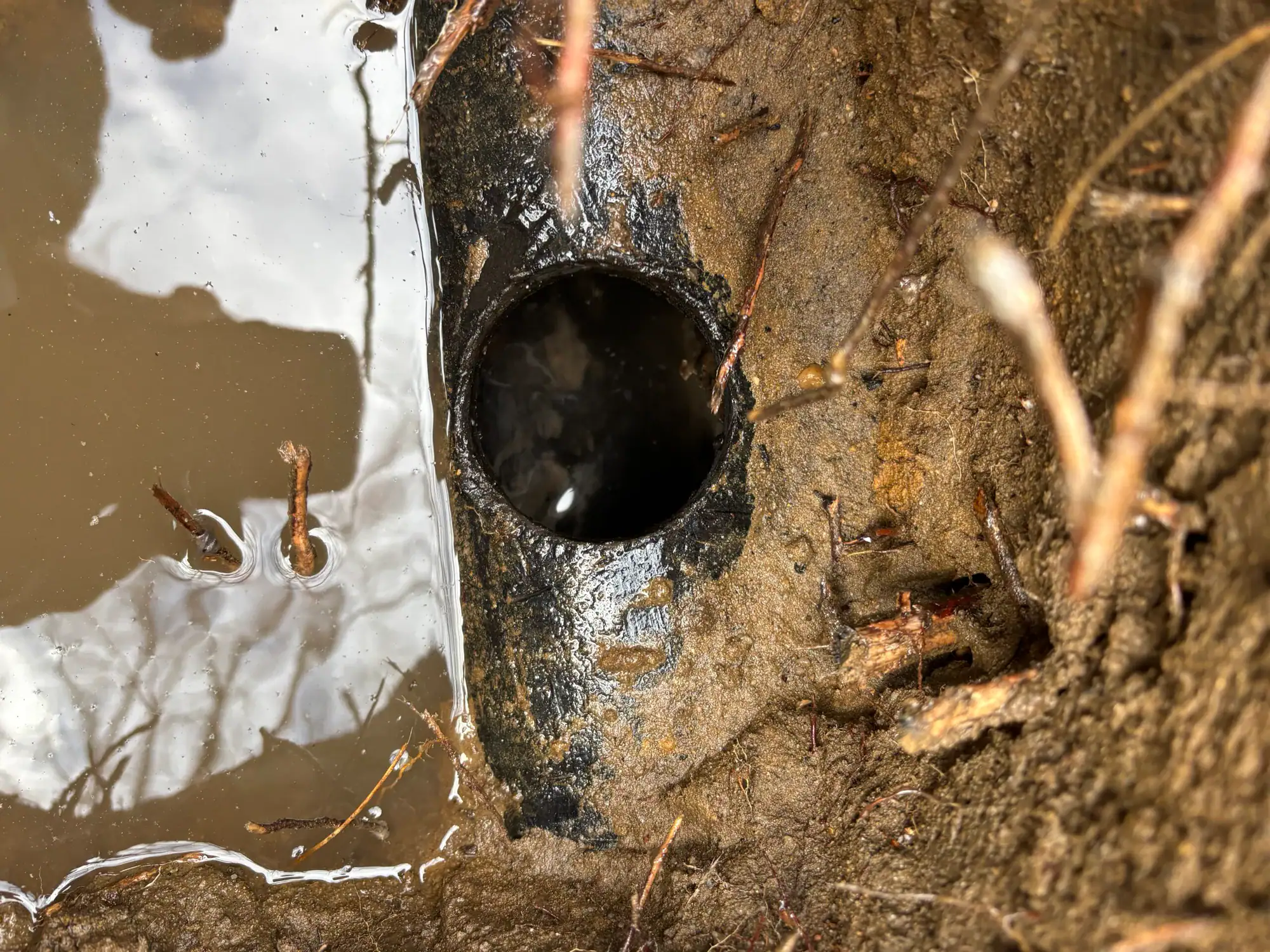
Winter left your septic system vulnerable. Spring's heavy rains and snow melt can push struggling systems over the edge—here's why an inspection now saves you thousands later.
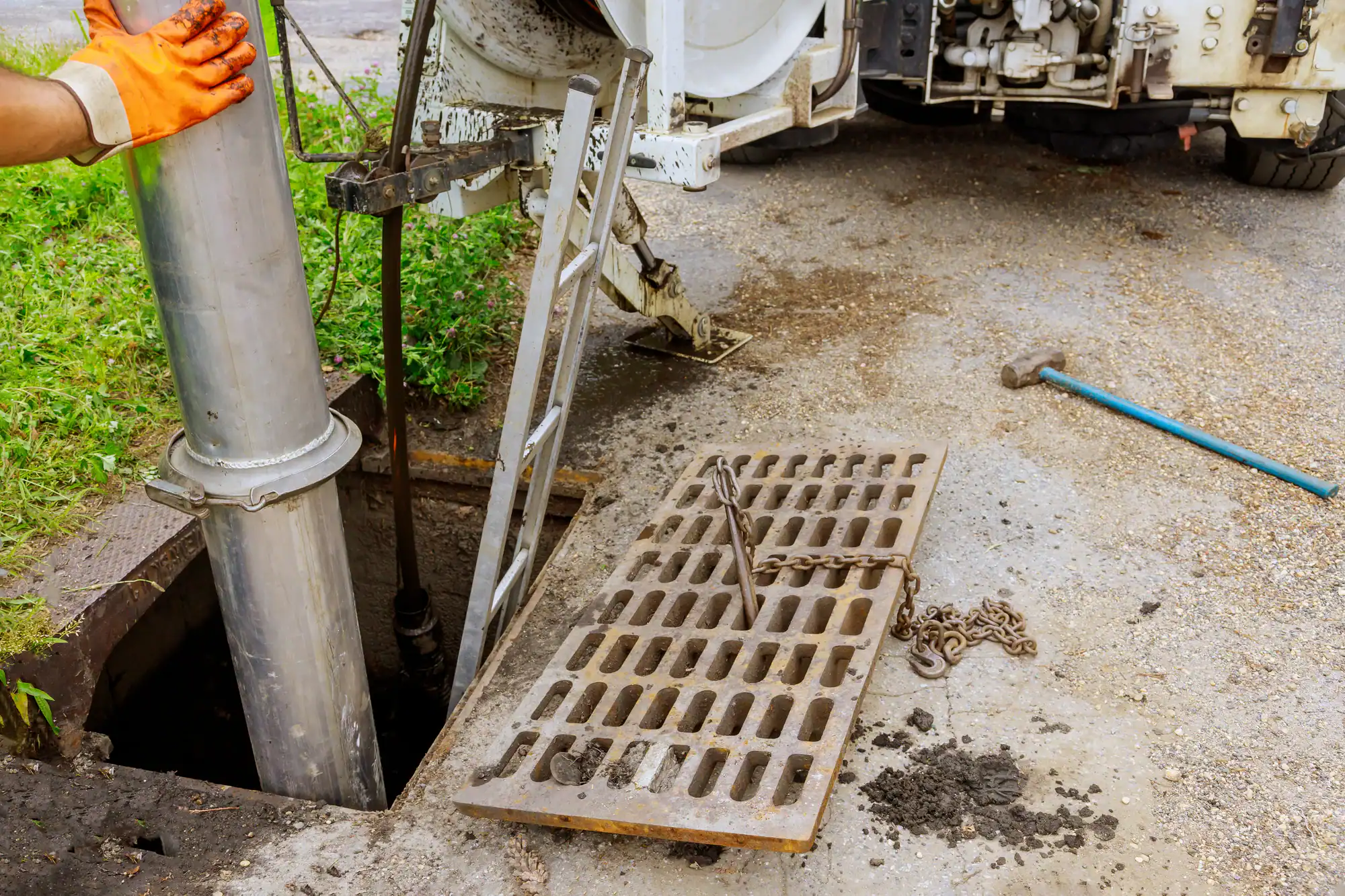
Winter isn’t kind to septic systems. While everything looks fine on the surface, cold temperatures and frozen ground create conditions that put serious stress on how your system functions.
Your septic tank relies on bacteria to break down waste. When temperatures drop, those bacteria slow way down or stop working altogether. That means waste that should be breaking down is just sitting there, building up. By the time March rolls around, your tank is dealing with months of accumulated solids that never got properly processed.
Then there’s the frozen ground. When soil freezes, water can’t absorb into your drain field the way it’s supposed to. Your system is still sending wastewater out, but it has nowhere to go. That creates backups, saturation, and stress on components that are already working harder than usual just to keep things moving.

Here’s something most homeowners don’t realize: your septic system is basically a living ecosystem. Billions of bacteria are working around the clock to break down everything that goes down your drains. When those bacteria are healthy and active, your system hums along without issue.
Cold weather shuts that process down. Bacteria need warmth to thrive, and when temperatures inside your tank drop during winter months, their activity slows to a crawl. Some bacteria go dormant. Others die off completely. What you’re left with is a system that’s supposed to be treating waste but is really just storing it.
By late winter, your tank is fuller than it should be. Sludge layers are thicker. The liquid level is higher. There’s less room for new wastewater coming in, which means less time for any treatment to happen before effluent moves out to your drain field.
This is why spring septic inspection in Suffolk County is so important. An inspection can measure those sludge levels, assess how well your system recovered from winter, and determine whether you need pumping now or if you can wait. It’s not about creating work—it’s about preventing the kind of backup that happens when a stressed system meets heavy spring rainfall.
Most homeowners wait until they notice slow drains or sewage odors. By then, you’re not preventing a problem anymore. You’re responding to one that’s already causing damage. A post-winter drain cleaning on Long Island catches issues while they’re still manageable, before spring weather pushes your system past its breaking point.
Your drain field is where the final treatment happens. Wastewater leaves your septic tank and spreads out through perforated pipes buried in gravel trenches. As that water percolates through the soil, bacteria in the ground remove pathogens and contaminants before the water rejoins the groundwater table.
That’s how it’s supposed to work. But when the ground freezes, that whole process breaks down.
Frozen soil can’t absorb water. It’s essentially impermeable—like trying to pour water through concrete. Your septic tank is still sending effluent out to the drain field, but that effluent has nowhere to go. It sits in the pipes. It pools in the trenches. It saturates the soil right around the drain field without actually filtering down the way it should.
In Suffolk County, where significant snow accumulation keeps the ground frozen for weeks at a time, this creates a situation where your drain field is essentially non-functional for months. The system keeps running because it has to, but it’s not treating wastewater properly. By the time spring arrives, your drain field is already compromised.
Then the snow starts melting. Spring rains start falling. Suddenly, your drain field isn’t just dealing with household wastewater—it’s trying to handle all that surface water too. The ground is saturated. The soil is still cold and slow to absorb. And your system, which has been barely keeping up all winter, finally gives out.
That’s when homeowners start seeing wet spots in the yard. Sewage odors near the drain field. Toilets that won’t flush properly. Sinks that drain slower than they used to. These aren’t random problems. They’re symptoms of a system that’s been under stress for months and finally can’t handle the load anymore.
Spring cesspool maintenance in NY gives you a clear picture of how your drain field is functioning after winter. We can assess soil saturation, check for surfacing effluent, and determine whether your system needs intervention now or if it’s recovering on its own as the ground thaws. Catching drain field problems early—before they cause a complete system failure—can save you thousands in emergency repairs and replacement costs.
Want live answers?
Connect with a AAA Dependable Cesspool expert for fast, friendly support.
Your system made it through winter. Barely. The bacteria are sluggish, the drain field is saturated, and sludge levels are higher than they should be. Then spring arrives, and with it comes the real test.
Suffolk County, NY gets an average of 47 inches of rain per year—well above the national average. A lot of that falls in spring. Add in snow melt from whatever accumulated over winter, and you’re looking at a massive influx of water hitting ground that’s already saturated and systems that are already stressed.
This is when systems fail. Not because of one catastrophic event, but because months of accumulated stress finally meet conditions the system just can’t handle. Heavy rain and septic problems go hand in hand in spring. Flooded drain fields have no capacity left. Snow melt adds even more water to soil that can’t absorb it. And suddenly, wastewater that should be filtering safely into the ground is backing up into your house or surfacing in your yard.

There’s a reason spring septic inspections are so effective: timing. If you wait until summer, you’ve already dealt with the spring rains. If you wait until you notice problems, you’re paying emergency rates to fix damage that’s already happened.
A post-winter inspection—ideally in March or early April, before the heaviest spring rains hit—gives you a window to address issues proactively. Maybe your system just needs pumping to remove the sludge that built up over winter. Maybe there’s a crack in your tank that’s letting groundwater in. Maybe your drain field is showing early signs of failure that can be managed before it becomes a full replacement job.
The point is, you have options when you catch problems early. You can schedule service at a time that works for you, at regular rates, without the panic and mess of dealing with a backup. You can make informed decisions about what actually needs attention versus what can wait.
Homeowners who skip spring maintenance end up calling for emergency service in May or June when their system finally gives out. By then, you’re looking at premium emergency rates, potential damage to your property, and the health hazards that come with surfacing sewage. All of that is avoidable with a simple inspection after winter ends.
Post-winter drain cleaning on Long Island isn’t about creating unnecessary work. It’s about giving your system the best chance to handle what spring throws at it. After months of cold weather stress, a little preventive attention goes a long way toward avoiding the kind of failure that costs thousands to fix.
A real spring cesspool maintenance check in Suffolk County isn’t someone showing up, glancing at your yard, and telling you everything needs replacing. It’s a methodical assessment of how your system is functioning after winter and what it needs to handle spring and summer.
We check sludge and scum levels in your tank to see how much solid waste accumulated over winter. If those levels are too high, pumping prevents solids from flowing into your drain field and causing clogs. We inspect baffles to make sure they’re intact and doing their job of keeping solids in the tank where they belong.
We assess your drain field for signs of saturation, surfacing effluent, or soil that’s not absorbing properly. We look for wet spots, unusual grass growth, or odors that indicate your drain field is struggling. We check tank integrity—looking for cracks, leaks, or damage from freeze-thaw cycles that could be letting groundwater in or wastewater out.
If you have a pump system, we test the pump and floats to make sure everything is working properly. We verify that your alarm system is functional so you’ll get warning if water levels get too high.
What you get at the end is an honest assessment. Not a sales pitch. Not a list of services designed to maximize the bill. Just a clear picture of where your system stands, what needs attention now, and what can wait. That’s the kind of septic inspection that actually helps homeowners make smart decisions—especially in Suffolk County, where local soil conditions and weather patterns create unique challenges that out-of-town companies don’t always understand.
Winter is hard on septic systems. Spring weather tests everything that barely held together through the cold months. The difference between a small repair and a major failure often comes down to timing—catching problems before they cascade into something bigger.
A spring septic inspection gives you that window. It’s not about fear or pressure. It’s about information. Knowing where your system stands after winter means you can make decisions before you’re forced into emergency mode.
If you’re in Suffolk County and you haven’t had your system checked since last year, now’s the time. Before the heavy rains hit. Before that sluggish drain turns into a full backup. Before winter damage becomes a spring disaster.
We’ve been helping Suffolk County homeowners with honest, straightforward septic service since 1998. If you want to know where your system actually stands—no pressure, no overselling—reach out and get it checked.
Summary:
Article details:
Share: