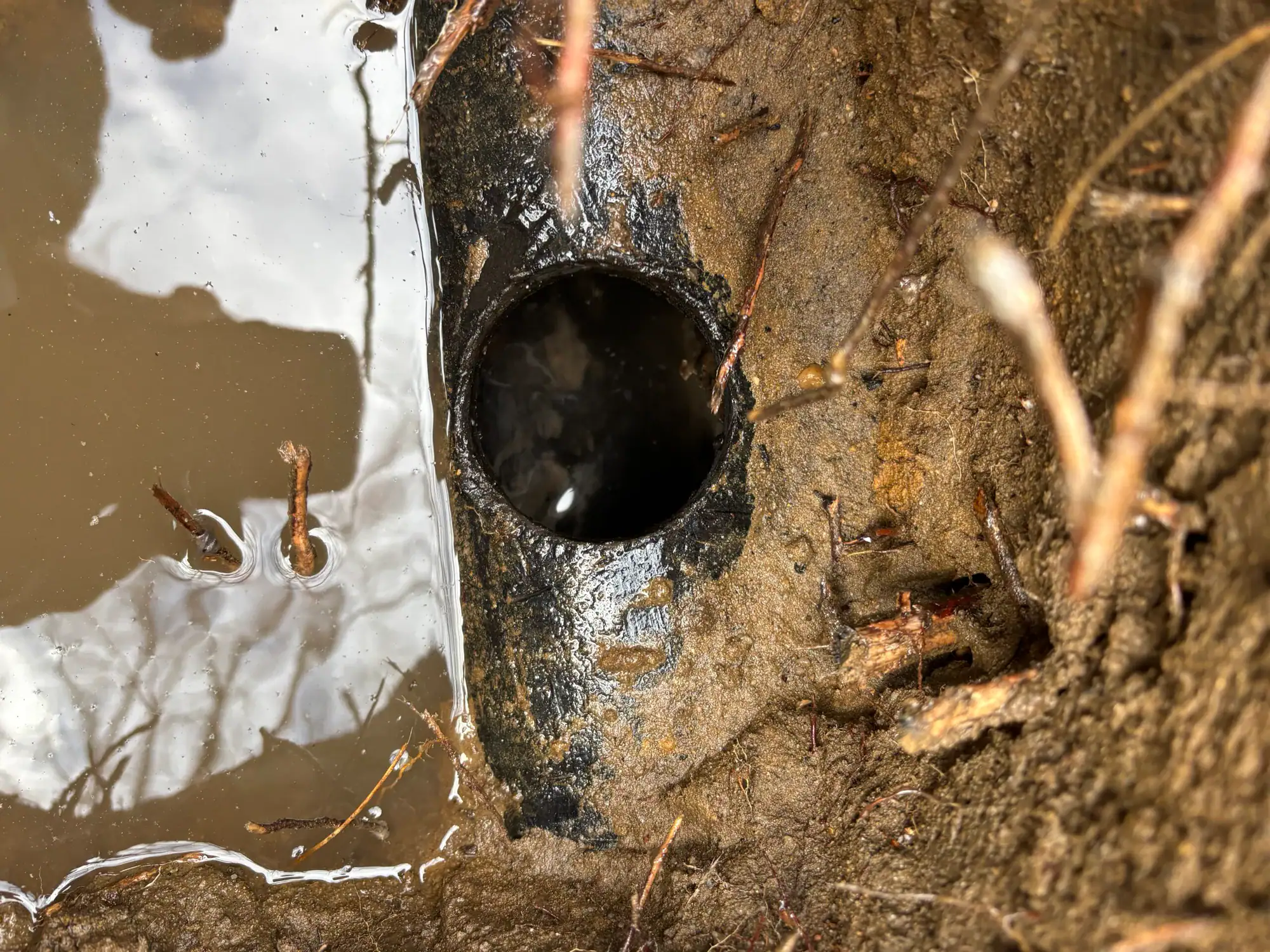
If you're new to Long Island, understanding the difference between a cesspool and a septic system isn't optional—it's essential for protecting your home and wallet.
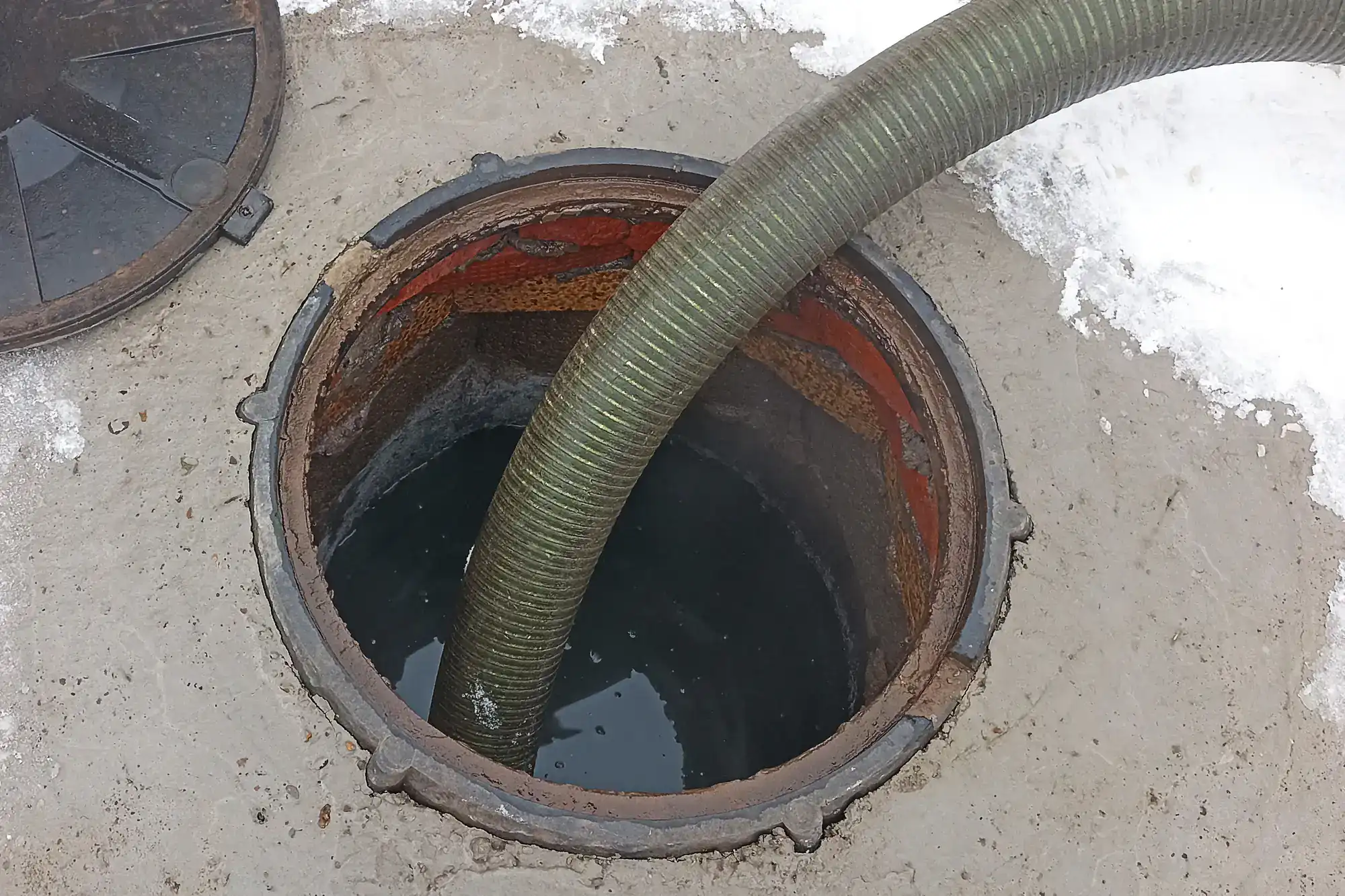
A cesspool is basically a pit in the ground. It’s lined with concrete, stone, or brick, and it has holes in the walls. All the wastewater from your house—toilets, sinks, showers, washing machine—flows into this pit. The liquid slowly seeps out through those holes into the surrounding soil. The solids settle at the bottom and pile up.
That’s it. There’s no treatment. No filtration. No separation of waste types. Everything just dumps into the hole, and the ground around it is supposed to absorb the liquid while the solids accumulate until you pump them out. Most cesspools on Long Island were installed before 1973, back when they were a common solution for homes that couldn’t connect to sewer lines. If your house was built before then, there’s a good chance you’re sitting on one right now.
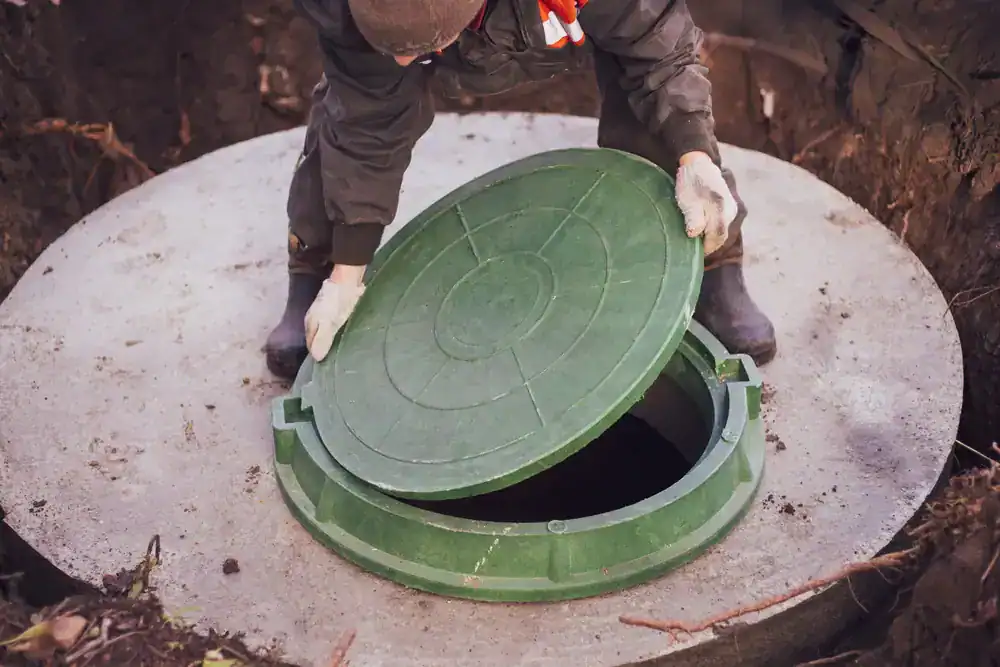
Because cesspools don’t separate anything, they fill up fast. Think about it—every shower, every load of laundry, every flush sends solids straight into that pit. There’s no mechanism to break things down or filter them out. It all just piles up.
Most cesspools in Suffolk County, NY need pumping every one to two years. That’s not a suggestion—it’s what keeps your system from backing up into your house. The pumping schedule depends on how many people live in your house, how much water you use, and how old your system is. A family of four using a smaller cesspool might need service annually. A single person in a larger home might stretch it to two years.
But skip it too long, and you’re not just risking a backup—you’re looking at soil saturation around the cesspool that makes the whole system stop working. Here’s what most people don’t realize until it’s too late: when a cesspool fails, it’s often because the surrounding soil has become so saturated with wastewater that there’s nowhere for new liquid to go. At that point, pumping doesn’t fix the problem anymore. The cesspool might need to be relocated entirely, or you’re facing a full system replacement. And in Suffolk County, that replacement can’t be another cesspool.
As of July 1, 2019, Suffolk County closed the loophole that let homeowners replace old cesspools with new ones. If your cesspool fails now, you can’t just install another cesspool. You have to upgrade to a modern septic system that meets current standards—the same standards that have been required for new construction since 1973.
Cesspools fail. They’re designed to eventually stop working as the soil around them becomes saturated or the structure deteriorates. The reason for the ban is water quality. Suffolk County sits on a sole-source aquifer—meaning all our drinking water comes from the ground beneath us. Cesspools leak untreated wastewater directly into that groundwater, contributing to nitrogen pollution that’s been killing off marine life in our bays and threatening our drinking water supply.
The county determined that cesspools and conventional septic systems on Long Island are essentially failing systems because they can’t remove nitrogen. If you’re buying a home with a cesspool, factor replacement into your homeownership plans. If you already own one, start planning now rather than waiting for an emergency.
The county offers grants that can cover a portion of the replacement, but you need to apply before your system fails, not after. Once you’re in crisis mode, your options narrow. The regulations also require that any major reconstruction project—defined by your home’s value—triggers a requirement to upgrade to an advanced nitrogen-reducing system. So even if your cesspool is technically still functioning, a major renovation could force your hand.
Want live answers? Connect with a AAA Dependable Cesspool expert for fast, friendly support. Get A Free Quote Call: 631-738-7100
Want live answers?
Connect with a AAA Dependable Cesspool expert for fast, friendly support.
A septic system does what a cesspool doesn’t—it actually treats your wastewater before releasing it into the ground. Instead of everything dumping into a pit, your waste flows into a sealed tank where it separates into layers. Solids sink to the bottom as sludge. The liquid in the middle—the effluent—is the only part that leaves the tank.
That effluent flows out to a drain field, which is a network of perforated pipes buried in gravel trenches. As the liquid disperses through the drain field, the soil acts as a natural filter, removing harmful bacteria and breaking down remaining contaminants before they reach the groundwater. This separation and filtration process is why septic systems protect water quality better than cesspools. It’s also why they last longer and need less frequent maintenance. Most septic tanks only need pumping every three to five years instead of every one to two years like cesspools.
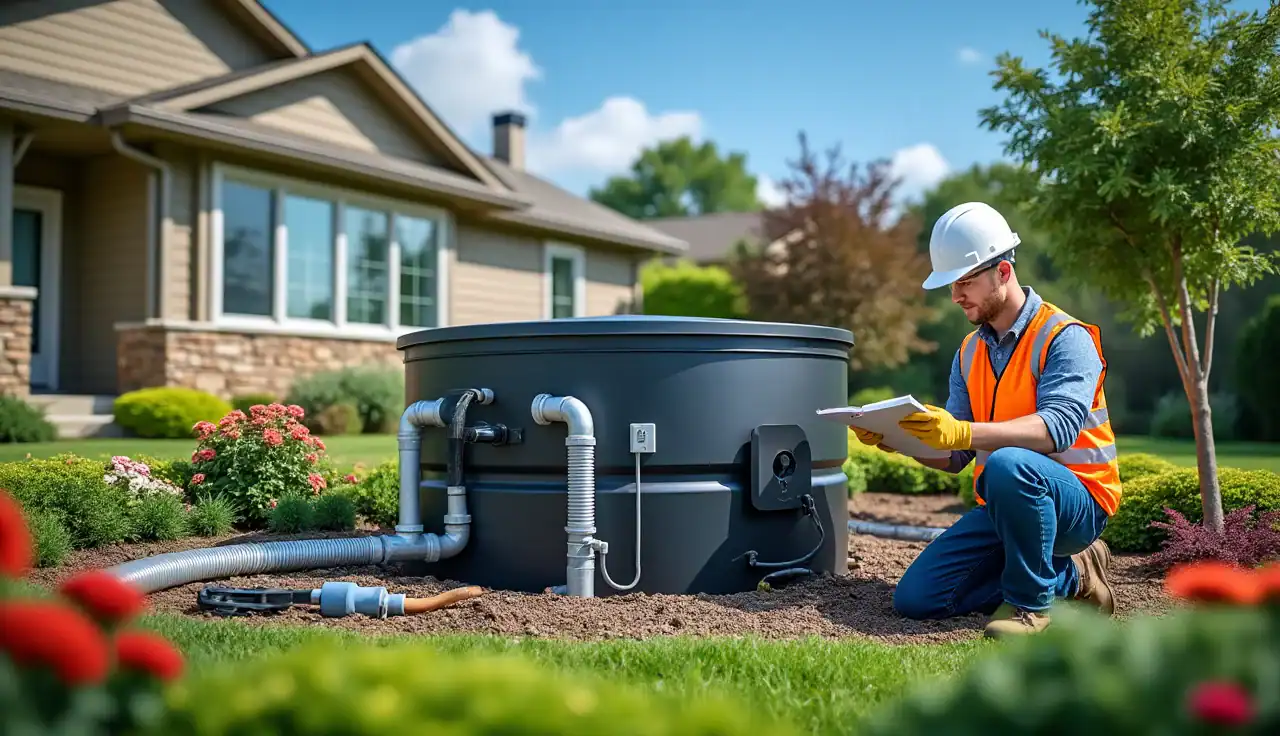
The requirements for a modern system differ from older setups. Advanced nitrogen-reducing systems are now required for new installations and major renovations. While the initial investment varies, the long-term outlook tells a different story.
Cesspools need pumping every one to two years. Over ten years, that’s a high volume of service calls. Septic systems need pumping every three to five years, so you’re looking at far fewer service visits over that same decade. The septic system requires less frequent maintenance and lasts longer before needing replacement.
More importantly, septic systems don’t fail the same way cesspools do. When a cesspool’s surrounding soil becomes saturated, the whole system stops working. A properly maintained septic system can last thirty to forty years or more. The tank itself is sealed, so it’s not constantly saturating the soil around it. The drain field can fail eventually, but that’s usually a drain field replacement, not a complete system overhaul.
There’s also the compliance factor. If your cesspool fails, you’re required by law to upgrade to a modern system anyway. So you’re either paying for that upgrade now on your timeline, or paying for it later in an emergency when you have sewage backing up and no time to shop around or apply for grants. Planning ahead is almost always the smoother path.
If you’re considering switching from a cesspool to a septic system—or if you’re being forced to because your cesspool failed—here’s what the process typically involves.
<pFirst, you need a site evaluation and design. A licensed professional assesses your property’s soil conditions, water table depth, and available space to determine what type of system will work. In Suffolk County, NY, this also means determining whether you need a conventional septic system or an I/A OWTS (Innovative/Alternative Onsite Wastewater Treatment System) based on your location and project type.Next comes permitting. Suffolk County requires registration with the Department of Health Services before any cesspool replacement or septic installation. Your contractor handles this, but it adds time to the process. If you’re applying for county or state grants to help, that’s a separate application that needs to happen before installation begins.
The installation itself typically takes a few days to a week, depending on the system type and site conditions. Your existing cesspool gets pumped out and properly abandoned—it can’t just be left in place. The new septic tank and drain field get installed according to the approved design. If you’re installing an advanced system, there’s additional equipment like pumps or aerators that require electrical connections.
After installation, there’s an inspection to ensure everything meets code. Then you’re responsible for ongoing maintenance, which for advanced systems includes annual inspections by a licensed service provider. The county tracks this through their database, and missed inspections can result in fines.
If you’re new to Long Island, the cesspool versus septic question isn’t really a question anymore. Cesspools are being phased out because they can’t protect our water quality. If you have one, it’s a matter of when you’ll need to replace it, not if.
Understanding how these systems work helps you make better decisions about maintenance and timing. A cesspool that’s still functioning but getting older is a known future requirement—one you can plan for by researching grant programs and scheduling the work before it becomes an emergency.
If you’re dealing with a septic system, regular pumping and proper use keep it running for decades. Whether you need full service, system evaluations, or just honest answers about what you’re dealing with, working with a local company that knows Suffolk County’s soil conditions and regulations makes all the difference.
Summary:
Article details:
Share: