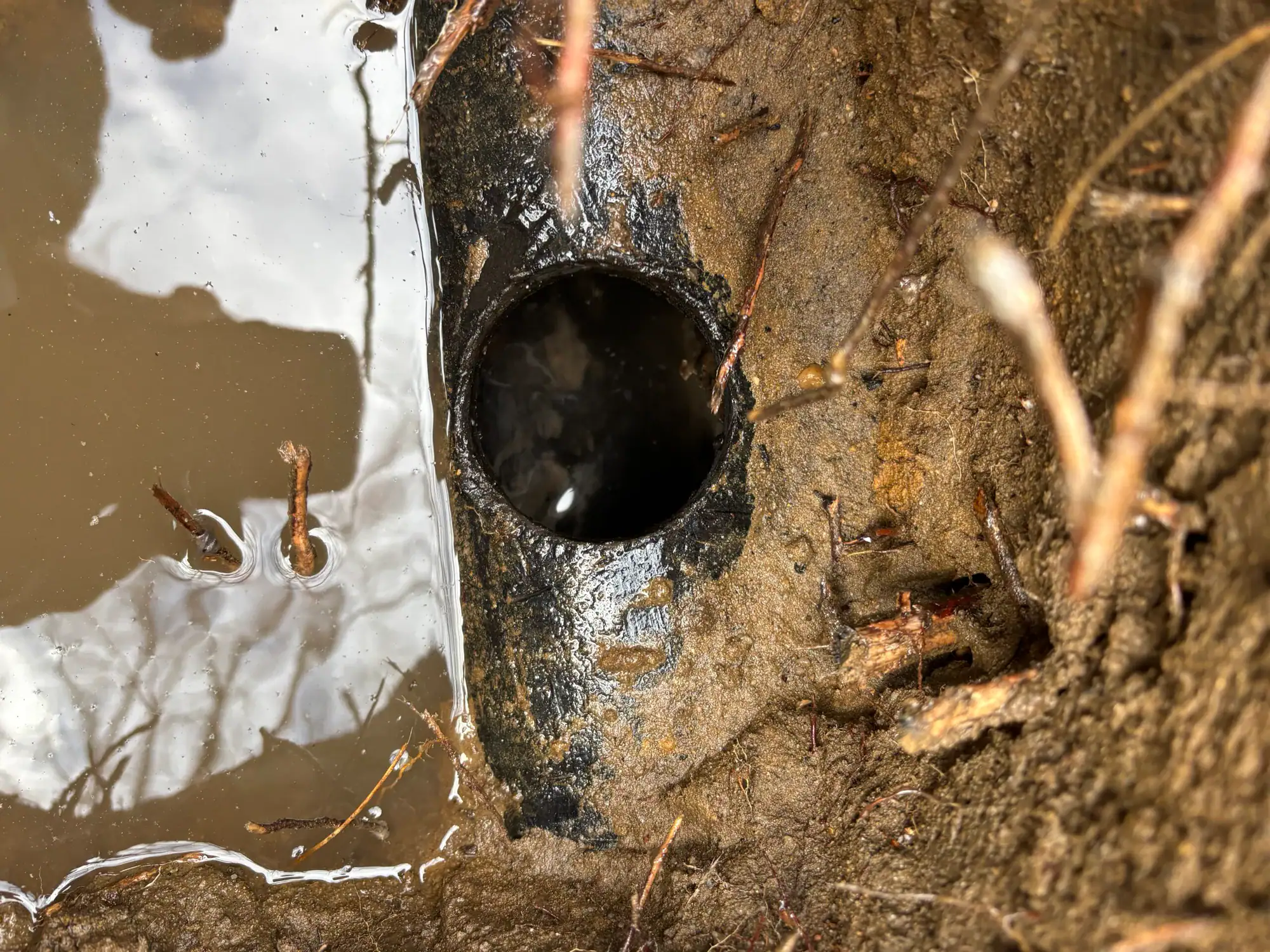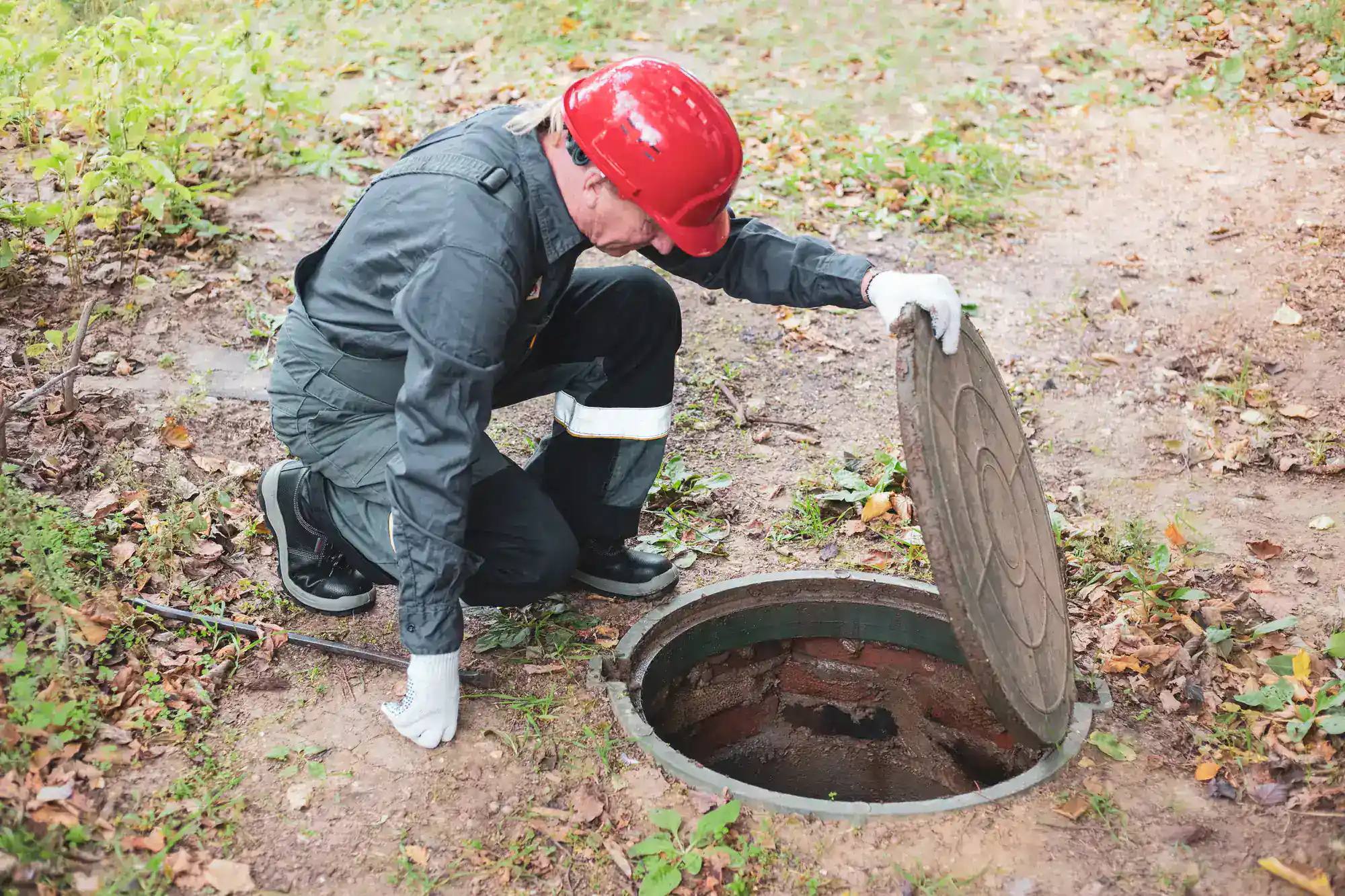
Suffolk County's high groundwater levels create unique challenges for cesspool systems, especially in South Shore coastal areas where water table fluctuations can cause system failures.
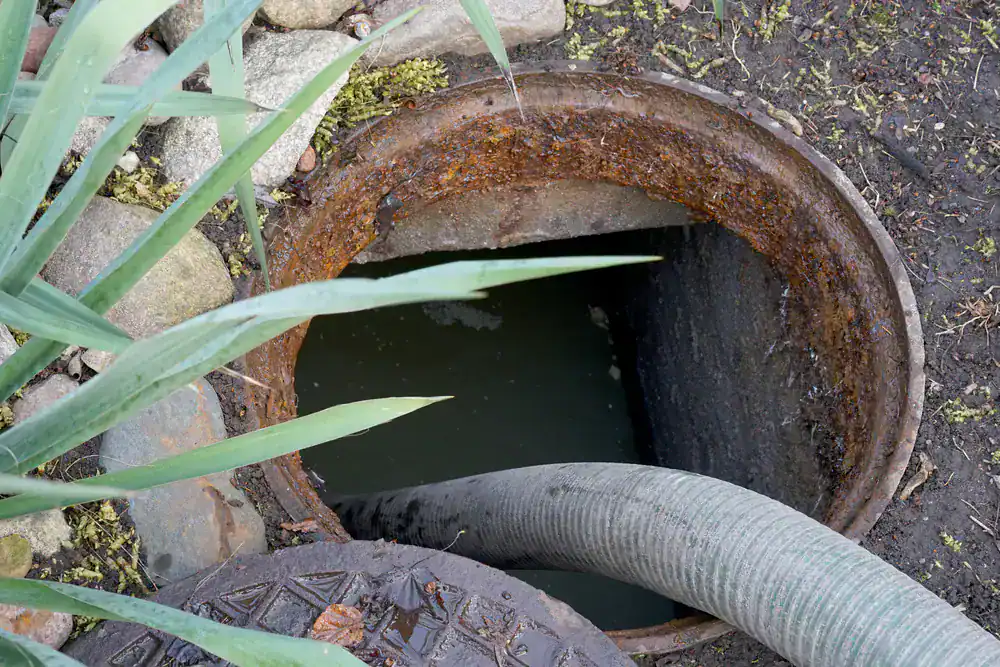
Your cesspool relies on a simple principle: wastewater flows into an underground chamber where solids settle and liquids gradually seep into the surrounding soil. That process depends entirely on having enough distance between your system and the groundwater below it.
When the water table rises, that distance shrinks. In some cases, it disappears completely.
Suffolk County’s geography creates a unique challenge. The county sits on sandy, porous soil with groundwater levels that can fluctuate several feet depending on rainfall, seasonal patterns, and proximity to the coast. South Shore cesspool maintenance becomes especially critical because these communities sit closer to sea level and face more vulnerability to tidal influences and groundwater impact on drainage.

Conventional cesspool systems need separation between the leaching area and the water table to function properly. When groundwater rises to meet your system, several things happen simultaneously—none of them good.
First, the soil around your cesspool becomes saturated. That eliminates the absorption capacity your system depends on. Wastewater has nowhere to go, so it backs up. You’ll notice this as slow drains throughout your house, starting with the lowest fixtures like basement floor drains and ground-level bathrooms.
Second, groundwater can actually flow backward into your cesspool through the same openings designed to let wastewater out. This is called hydraulic overload. Your system fills with water it was never designed to handle, reducing the space available for actual household waste.
The timing makes this worse. Heavy rain periods—when the Suffolk County water table rises most dramatically—are exactly when your household generates the most wastewater. You’re showering, doing laundry, running dishwashers. Your system is trying to process all that water while simultaneously dealing with rising groundwater that’s eliminating its drainage capacity.
Many Suffolk County homeowners don’t realize their cesspool is “failing” during these periods. The system isn’t broken in the traditional sense. It’s being overwhelmed by conditions it was never designed to handle. In low-lying coastal areas, this can happen multiple times per year during storm seasons or extended wet periods.
The impact on cesspool longevity is significant. Each time your cesspool floods or backs up, it creates stress on the structure. Concrete walls face increased pressure. Seals and connections weaken. The biological processes that help break down waste get disrupted by the influx of groundwater. Over time, what starts as a seasonal inconvenience accelerates the deterioration of your entire system.
Not all of Suffolk County faces the same water table challenges. If you live on the South Shore or in coastal communities, your cesspool operates under conditions that differ dramatically from inland areas.
The South Shore sits closer to sea level, which means less vertical distance between your cesspool and the water table to begin with. During normal conditions, this might not cause problems. But when heavy rain hits or storm surges push water inland, that margin disappears fast.
Coastal communities face an additional factor: tidal influence. The water table in these areas doesn’t just respond to rainfall—it fluctuates with tidal cycles. High tides can push groundwater levels up, creating temporary conditions that stress cesspool systems even without precipitation.
Communities like Bay Shore, Lindenhurst, East Islip, and Mastic Beach experience this regularly. Residents in these areas often notice their systems perform differently depending on weather patterns and time of year. What works fine in summer can fail completely during fall and spring rainy seasons.
The soil composition matters too. South Shore areas typically have sandier soil that drains well under normal conditions but quickly becomes saturated during wet periods. Once that saturation point hits, the soil loses its ability to absorb wastewater from your cesspool. The system backs up because the ground around it can’t accept any more liquid.
This creates a frustrating situation for homeowners. You pump your cesspool, thinking that will solve the problem. Two weeks later, after a few days of rain, you’re backing up again. The issue isn’t the amount of waste in your system—it’s the water table elevation relative to your cesspool’s location.
Understanding this distinction is important because it changes how you manage your system. During high water table periods, the solution isn’t necessarily more frequent pumping. It’s managing your household water usage to reduce the volume your cesspool has to process while drainage capacity is compromised. That’s where our full cesspool service expertise becomes valuable—knowing the difference between a system that needs pumping and one that’s being hydraulically overloaded.
Want live answers?
Connect with a AAA Dependable Cesspool expert for fast, friendly support.
You can’t control the water table. But you can control how much water your household sends to the cesspool during critical periods.
This isn’t about permanent lifestyle changes. It’s about recognizing when your system is under stress and adjusting accordingly for a few days or weeks until conditions improve.
The goal is simple: reduce the volume of wastewater entering your cesspool during periods when the high water table has already compromised its drainage capacity. Think of it as giving your system room to breathe when it’s already struggling.

Start with timing. The biggest mistake homeowners make is concentrating water usage into short periods. Running multiple loads of laundry on Saturday morning, taking back-to-back showers, and running the dishwasher all in the same day overwhelms your cesspool even under normal conditions. During high water table septic problems, this pattern almost guarantees cesspool flooding that Long Island homeowners want to avoid.
Spread water-intensive activities throughout the week instead. Do one load of laundry per day rather than five loads on Saturday. Stagger showers so your system has time to process each batch of wastewater before the next one arrives. Run the dishwasher at night when no other water is being used.
These small adjustments make a significant difference. Your cesspool can handle the same total volume of water—it just needs that volume distributed over time rather than hitting all at once.
Fix leaks immediately. A running toilet can send hundreds of gallons of unnecessary water to your cesspool every week. During high water table periods, that extra volume might be the difference between a system that manages and one that backs up. Check faucets, toilet flappers, and any other fixtures that might be leaking. The repairs pay for themselves quickly in avoided cesspool stress.
Consider your appliances. Older washing machines and dishwashers use significantly more water than modern high-efficiency models. If you’re in a high water table area and your appliances are more than 10 years old, upgrading could extend your cesspool’s functional life. The water savings compound over time, reducing the total volume your system processes annually.
During active storm periods or extended rainy seasons, get more aggressive. Limit shower length. Skip the dishwasher and wash dishes by hand using less water. Delay laundry if possible. These temporary measures help your cesspool survive the most challenging conditions without failure.
Water conservation helps, but it’s not a substitute for recognizing when your cesspool needs professional service. Certain warning signs indicate problems that won’t resolve on their own, even after the water table drops.
Slow drainage across multiple fixtures is the most common early indicator. If your toilets flush sluggishly, your sinks drain slowly, and your shower backs up—all at the same time—your cesspool is approaching capacity or losing drainage function. This often happens during or immediately after heavy rain when the water table is elevated.
Gurgling sounds from drains signal air displacement in your plumbing system. When wastewater can’t drain properly from your cesspool because of high groundwater, it creates pressure that forces air back through your pipes. You’ll hear this as bubbling or gurgling, particularly in lower-level fixtures.
Sewage odors around your property mean waste isn’t staying where it should. During high water table periods, this can indicate your cesspool is overflowing or that wastewater is surfacing in your yard because the soil is too saturated to absorb it. Don’t ignore these smells—they represent both a health hazard and a sign of system failure.
Pooling water near your cesspool location is a clear red flag. If you see wet spots, soggy ground, or standing water in the area where your cesspool is located, the system is likely compromised. This can happen when high groundwater prevents proper drainage or when structural issues allow wastewater to escape.
The timing of these symptoms matters. If problems appear specifically during or after rain and then improve when dry weather returns, you’re dealing with water table-related stress rather than a cesspool that’s simply full of solids. That distinction changes the service approach.
Professional assessment becomes critical at this point. We understand Suffolk County’s water table challenges and can determine whether you need pumping, if your system is being hydraulically overloaded by groundwater, or whether you’re facing more serious structural issues that require different solutions.
Don’t wait until you have sewage backing up into your home. That’s not just unpleasant—it’s expensive. Emergency service costs significantly more than scheduled maintenance, and the water damage from sewage backups can run thousands of dollars in cleanup and restoration.
Living in Suffolk County means dealing with water table realities that homeowners in other regions never face. Your cesspool operates in an environment where groundwater levels fluctuate throughout the year, creating periods of stress that can shorten system life or cause outright failure.
Understanding how the water table affects your system gives you control. You can’t change the geology, but you can manage your household water usage during critical periods. You can recognize warning signs early. And you can work with professionals who understand these local challenges and know how to address them.
The difference between a cesspool that lasts decades and one that fails prematurely often comes down to how it’s managed during high water table periods. Small adjustments to water usage, attention to warning signs, and proactive South Shore cesspool maintenance make systems more resilient.
If you’re dealing with cesspool issues related to Suffolk County’s high water table, or if you want to prevent problems before they start, we bring nearly three decades of local experience to these exact challenges at AAA Dependable Cesspool Sewer & Drain.
Summary:
Article details:
Share: