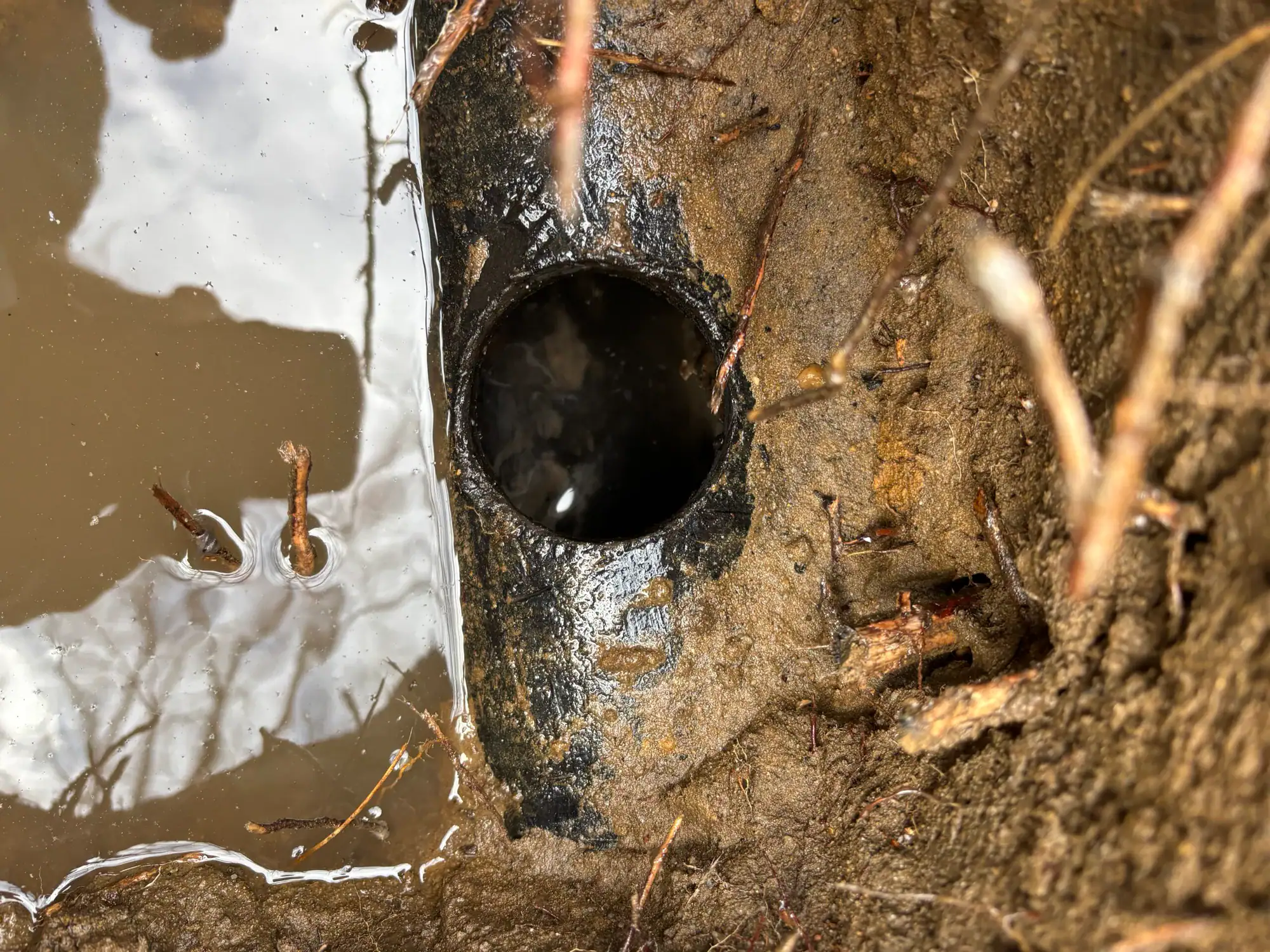
Brick and pre-cast ring cesspools in mid-century Ronkonkoma homes require specialized care to prevent collapse and maintain proper drainage through Long Island's challenging soil conditions.

Most Ronkonkoma homes built before 1972 have cesspools constructed from brick or pre-cast concrete rings. These aren’t sealed tanks like modern septic systems. They’re underground pits lined with loose-fitting materials that let liquid waste seep out through gaps in the brick or perforations in the concrete rings, while solid waste settles at the bottom.
The liquid drains into the surrounding soil through side-wall drainage. That’s the whole point of the design. But it also means your system’s performance depends entirely on how well that soil can absorb wastewater.
When everything’s working, wastewater flows from your house into the primary pool where solids settle. The liquid portion seeps through the walls into the soil. If you have a two-pool system, overflow from the primary pool feeds into a secondary leaching pool that handles the extra volume.
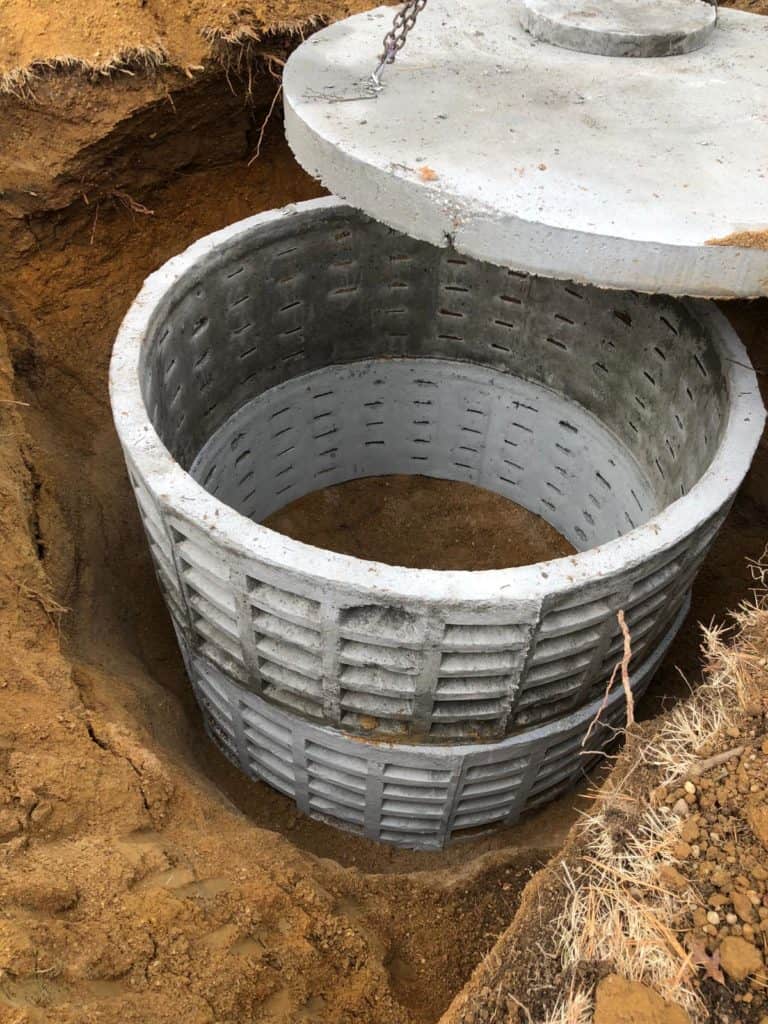
Brick cesspools were common in homes built before 1959. They’re exactly what they sound like—underground pits lined with bricks stacked with gaps between them. The gaps let wastewater seep out, but they also create structural vulnerabilities that get worse over time.
Water damage weakens the mortar holding those bricks together. After decades of exposure to moisture and seasonal freezing and thawing, the mortar deteriorates. When that happens, individual bricks can shift or fall out. If enough bricks fail, the entire structure can collapse suddenly.
Pre-cast concrete ring systems came later, typically in homes built during the 1960s and early 70s. These use concrete cylinders with perforations cast into them. They’re more stable than brick systems, but they’re not indestructible.
The key difference is structural integrity. Pre-cast rings won’t collapse from pumping the way brick systems can. When you pump all the water out of a brick cesspool, you remove the internal pressure that was helping hold the walls in place. That sudden pressure change can cause the structure to fail. Pre-cast systems don’t have that problem.
But both types face the same challenge with Long Island soil. Clay-heavy ground around Ronkonkoma slows drainage significantly. After heavy rain or during wet seasons, the soil becomes saturated and can’t accept more liquid. Your cesspool’s side-wall drainage stops working effectively, and wastewater starts backing up.
That’s when you notice slow drains, gurgling sounds, or wet spots in your yard. The system isn’t broken—it’s just overwhelmed by soil conditions it can’t control.
Many older Ronkonkoma homes have two cesspools instead of one. There’s a primary pool that receives all the wastewater from your house, and an overflow tank that serves as a leaching pool for excess liquid.
The primary pool is where solid waste settles and stays. It needs regular pumping to remove that accumulated sludge. The overflow pool receives only liquid that’s already been through the primary pool, so it gets much less solid material and requires less frequent maintenance.
This two-pool setup was designed to handle the drainage limitations of Long Island soil. Instead of trying to force all your household wastewater through one saturated area, the system spreads the load across two locations. When the primary pool’s drainage slows down due to soil saturation, the overflow pool picks up the slack.
But here’s what happens over time. The primary pool’s perforations or brick gaps can clog with biomat—a layer of organic material and bacteria that forms on the walls. When that happens, liquid doesn’t drain out as efficiently, and the pool fills faster than it should.
The overflow pool faces similar issues. Even though it receives less solid waste, the surrounding soil can still become saturated, especially during wet seasons. Clay soils hold water like a sponge, and when they’re full, they simply can’t accept more liquid no matter how well your cesspool is functioning.
Cesspool venting is another piece of the puzzle that often gets overlooked. Older systems need proper air circulation to maintain the bacterial action that breaks down waste and to prevent dangerous gas buildup. If your vents are blocked or damaged, the system can’t work efficiently even if everything else is in good condition.
Want live answers?
Connect with a AAA Dependable Cesspool expert for fast, friendly support.
Maintaining a brick or pre-cast ring cesspool isn’t the same as maintaining a modern septic system. These older setups have specific vulnerabilities that you need to understand.
The biggest concern with brick systems is structural failure. Decades of moisture exposure weaken the mortar between bricks. You can’t see this happening from above ground, and by the time you notice problems, the damage is often extensive. Collapses can be sudden, creating dangerous sinkholes that threaten people, pets, and property.
Pre-cast ring systems are more stable structurally, but they still face maintenance challenges. The perforations that allow side-wall drainage can become clogged with solid waste if the system isn’t pumped regularly. Once those openings are blocked, the cesspool fills much faster and loses its ability to drain properly.

Long Island’s soil composition creates specific problems for cesspool systems that you won’t find in other parts of the country. Much of Suffolk County, including Ronkonkoma, sits on clay-heavy soil that drains extremely slowly.
Clay soil holds onto water. After rain or during spring snowmelt, the ground around your cesspool becomes saturated and stays that way for extended periods. When the soil can’t absorb more liquid, your cesspool’s side-wall drainage essentially shuts down.
You’ll notice this during wet seasons. Spring rains hit, and suddenly your drains are sluggish. Toilets take longer to flush. You might see wet spots in your yard that weren’t there before. These aren’t signs that your cesspool is broken—they’re signs that the surrounding soil is too saturated to accept more wastewater.
The problem compounds over time. As your cesspool ages, the soil immediately around it becomes increasingly saturated with organic material and minerals from decades of wastewater absorption. This creates a layer of biomat that further reduces the soil’s ability to absorb liquid.
Clay soil also affects how quickly your cesspool fills between pumpings. In sandy soil, liquid drains away quickly and the cesspool stays relatively empty. In clay soil, liquid drains slowly or not at all during wet periods, so the cesspool fills much faster. You might need pumping every 1-2 years instead of the 3-5 years that’s typical in other soil conditions.
Soil saturation explains why some Ronkonkoma homes need frequent cesspool service while their neighbors with similar systems can go longer between pumpings. It’s not about how much water you use—it’s about how well your specific soil can handle the load.
Older cesspool systems give you warnings before they fail completely, but you need to recognize what you’re seeing. Slow drainage is often the first sign. When sinks, showers, or toilets take longer to drain than usual, your cesspool is telling you it’s approaching capacity.
Gurgling sounds from drains when you run water or flush toilets indicate that air is being displaced by rising wastewater levels. This happens when your cesspool is full and can’t accept more liquid efficiently.
Wet spots or unusually green grass over your cesspool location mean wastewater is surfacing. This is serious. It indicates either that your cesspool is overflowing or that structural damage is allowing waste to escape where it shouldn’t.
Odors are another clear warning. If you smell sewage in your yard or home, wastewater isn’t draining properly. The smell comes from gases that should be venting safely but are instead backing up through your plumbing or escaping through saturated soil.
For brick cesspools specifically, watch for ground settling or sinking near the system location. This can indicate that the brick structure is beginning to fail. Don’t ignore this warning—brick cesspool collapses can be sudden and create dangerous sinkholes.
If you notice cracks in the ground near your cesspool, that’s another structural warning sign. The ground is shifting, which means something below is changing. With older brick systems, this often precedes a collapse.
The challenge with older systems is that they can look fine one day and fail catastrophically the next. Brick structures in particular don’t give you much warning before collapse. That’s why regular professional inspection matters more for older systems than for newer ones.
Your brick or pre-cast ring cesspool has lasted decades because it was built solidly and maintained properly. But age catches up with every system eventually.
Regular pumping matters more for older cesspools than for newer systems. Every 2-3 years is the baseline for most Ronkonkoma homes, but your specific schedule depends on your household size, soil conditions, and system age. Professional inspection during pumping helps catch structural issues before they become emergencies.
Understanding your system’s limitations helps you avoid problems. Clay-heavy soil means your cesspool can’t handle the same load during wet seasons that it handles during dry periods. Being aware of this helps you recognize when slow drainage is a temporary soil saturation issue versus a sign that you need service.
If you’re dealing with a brick system, structural integrity should be your main concern. These systems have served well, but they weren’t designed to last forever. Knowing the age and condition of your cesspool helps you make informed decisions about repair versus replacement.
We understand older Ronkonkoma systems because we’ve been servicing them for over 25 years. When you’re dealing with aging brick or pre-cast ring cesspools, experience with these specific systems matters.
Summary:
Article details:
Share: