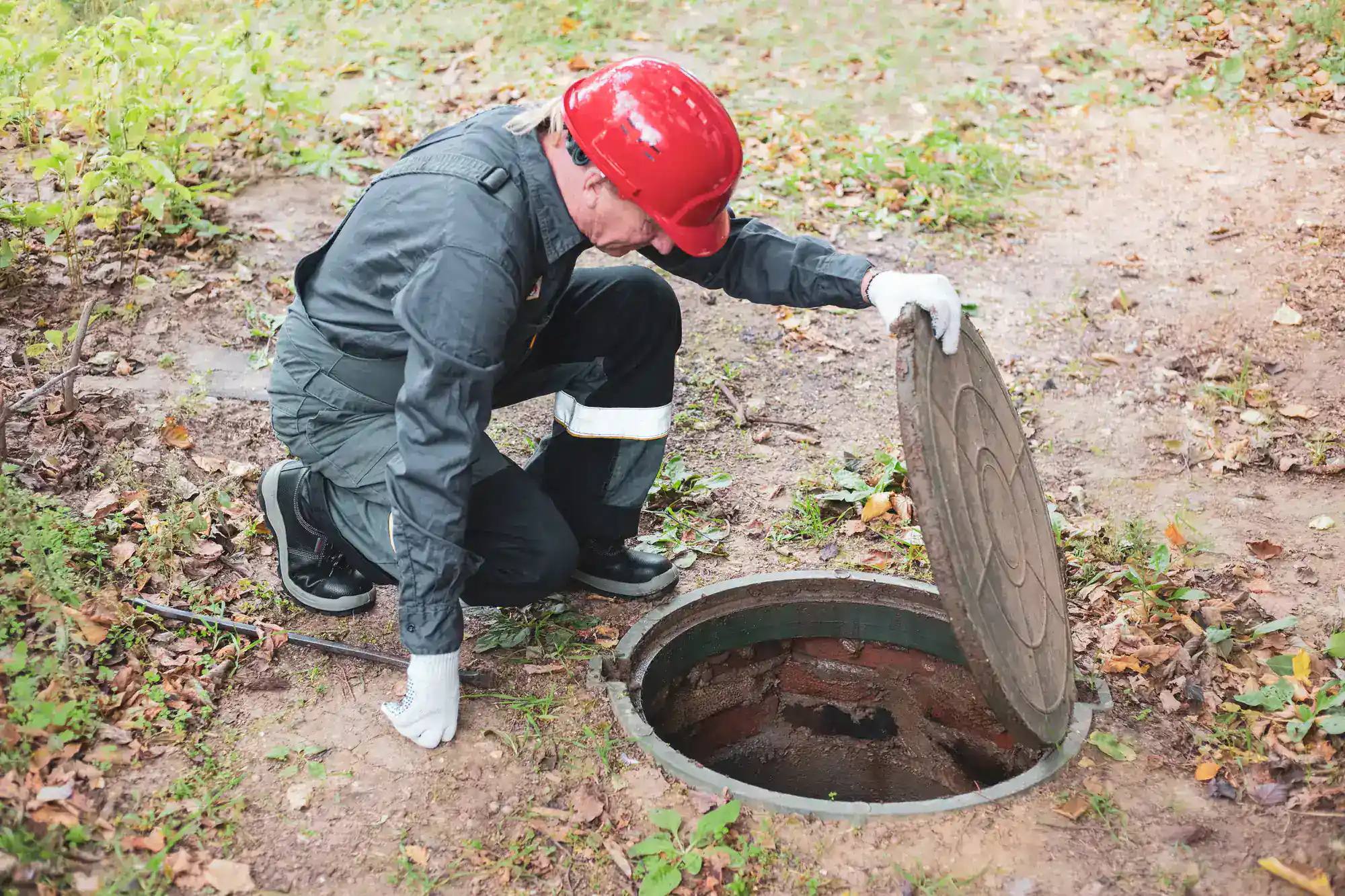
When your main line backs up, every minute counts. Here's exactly what to do right now and what happens when you call for emergency cesspool pumping.
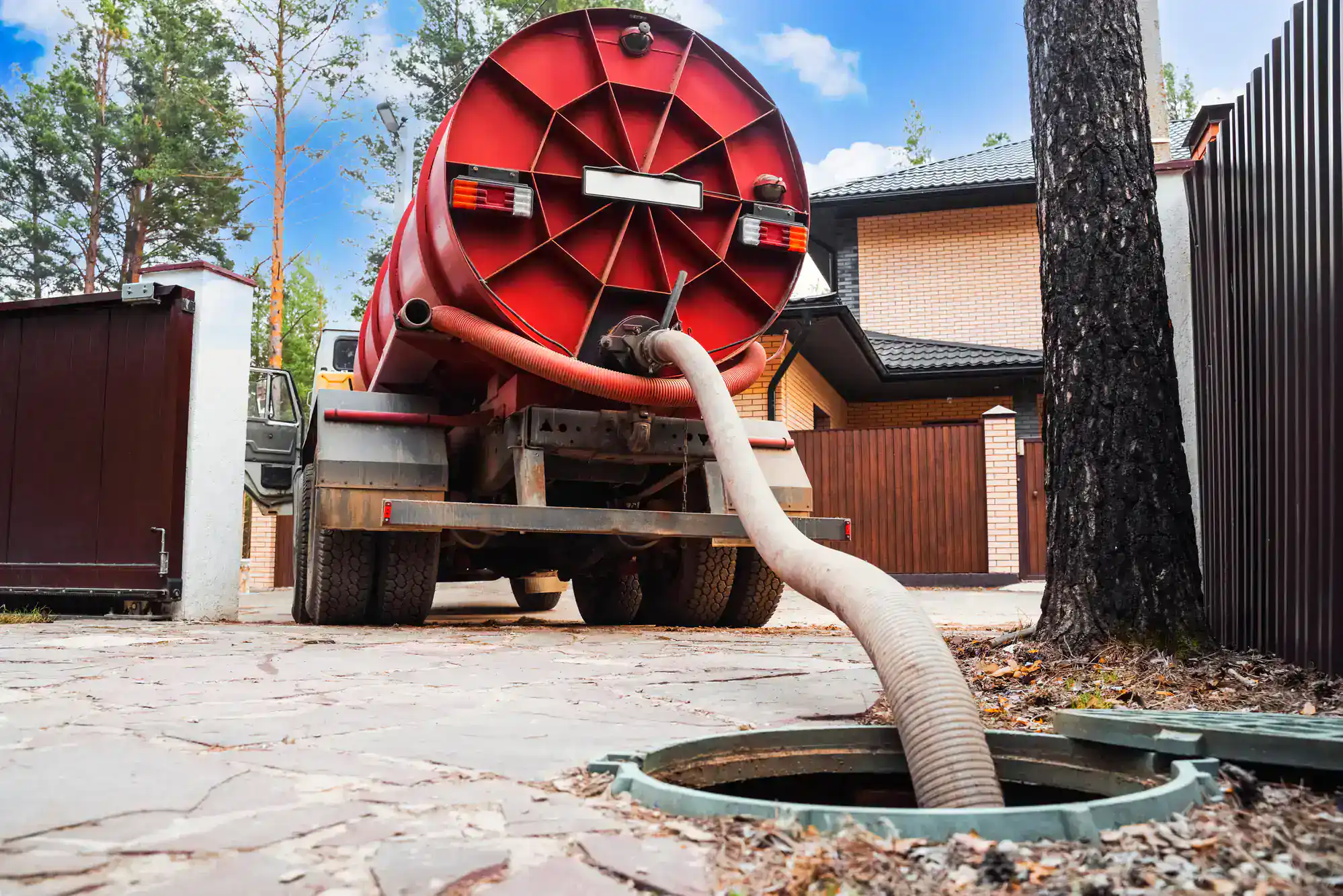
Your main line is the primary drain pipe carrying all wastewater from your home to your cesspool. When it backs up, you’re not dealing with a single clogged sink. You’re looking at a system-wide problem that needs emergency cesspool service.
The backup happens because waste can’t exit your home fast enough. Could be your cesspool is full. Could be the line itself has a blockage. Could be your leaching pool is saturated and can’t accept more liquid. Whatever the cause, the result is the same: sewage has nowhere to go except back toward your house.
In Suffolk County, soil saturation is often the culprit. Our sandy soil usually drains well, but when a cesspool’s side-wall drainage becomes clogged or the surrounding soil is waterlogged, the whole system stops working. That’s when you get backups in your lowest fixtures first, usually basement drains or first-floor toilets.

First thing: stop using water. Not in 10 minutes. Right now. Turn off washing machines mid-cycle if you have to. Tell everyone in the house: no flushing, no showers, no running water. Every gallon you add to the system pushes more sewage back into your living space.
Next, call for emergency cesspool pumping. When you’re on the phone, be ready to describe what you’re seeing. Multiple drains backing up? That tells the crew it’s likely a full cesspool or main line issue. Single drain acting up? Might be a localized clog. The more specific you can be, the better we can prepare.
Ask about response time and what to expect. A legitimate emergency service should give you a realistic timeframe, not vague promises. In Suffolk County, most reputable companies can respond within a few hours, even during off-hours. If someone says they’ll be there “sometime tomorrow,” keep calling. This isn’t a situation that waits.
While you’re waiting, protect your property. If sewage is backing up into your basement, move anything valuable to higher ground. Don’t try to clean up the mess yet. Raw sewage carries bacteria that require proper handling. Focus on containment, not cleanup. If water is pooling near your cesspool’s vent pipe or you see wet spots in your yard, stay clear of those areas. Saturated ground around a failing cesspool can be unstable.
Don’t attempt DIY fixes with drain cleaners or by sticking a garden hose down your cleanout. Chemical drain cleaners won’t help a full cesspool, and adding more water makes the problem worse. You need professional equipment, specifically a pump truck that can remove hundreds of gallons quickly.
Document everything if you can. Take photos of the backup, note the time it started, and keep track of any property damage. Most homeowners insurance doesn’t cover cesspool-related backups, but having documentation helps if you need to file a claim or if there’s a dispute about the extent of damage later.
Most Suffolk County homes built before the 1970s have cesspool systems rather than modern septic tanks. If your house is older, you might have a brick cesspool. Newer installations typically use pre-cast cesspool rings made of concrete. The difference matters because brick cesspools are more vulnerable to structural problems, especially when they’re old.
Your system probably consists of a primary pool where waste first enters, and one or more overflow tanks or leaching pools that handle the liquid once solids settle. The primary pool is where most of the solid waste accumulates. The overflow system is supposed to let liquid percolate into the surrounding soil through side-wall drainage. When that drainage gets clogged or the soil becomes saturated, you get backups.
Cesspool venting is another piece people don’t think about until something goes wrong. Your system needs to vent gases, usually through your home’s plumbing vent stack that goes through the roof. If venting is blocked or inadequate, it can create pressure problems that affect drainage. Sometimes what looks like a full cesspool is actually a venting issue preventing proper flow.
Suffolk County’s regulations changed in 2019. You can’t replace a failed cesspool with another cesspool anymore. If your system completely fails, you’re looking at upgrading to a modern septic system. That doesn’t mean every backup requires replacement, but it’s worth knowing the rules before someone tries to sell you on a $25,000 upgrade when a $600 pump-out might solve the problem.
The age of your system matters too. Pre-cast concrete cesspools installed after the 1950s are generally more stable than older brick construction. Block cesspools built before 1959 develop weak spots over time as mortar deteriorates. That’s why experienced crews are careful about fully pumping out old brick cesspools. The sudden pressure change can cause a collapse.
Water table depth affects how your cesspool performs. During heavy rain or wet seasons, the water table rises. If your cesspool is already struggling with solid accumulation, that rising water table can trigger backups even if the pool isn’t technically full. The soil becomes saturated and can’t absorb the liquid waste your cesspool needs to discharge. This is especially common in low-lying areas of Suffolk County.
Want live answers?
Connect with a AAA Dependable Cesspool expert for fast, friendly support.
The pump truck shows up with equipment designed to handle exactly this situation. We’re not here to judge your maintenance schedule or lecture you about what you should have done. We’re here to get your system working again so you can use your plumbing.
First step is locating and accessing your cesspool. If you know where it is and can point us to it, that saves time. If not, we’ll find it. Experienced crews know how to locate cesspools quickly, even without obvious markers. Once we’ve got access, we’ll assess what we’re dealing with before we start pumping.
The actual pumping removes liquid and solid waste from your primary pool. This isn’t a five-minute job. Depending on your cesspool’s size and how full it is, pumping can take 30 minutes to over an hour. We’re removing hundreds of gallons of waste, and we need to do it carefully to avoid damaging older systems.
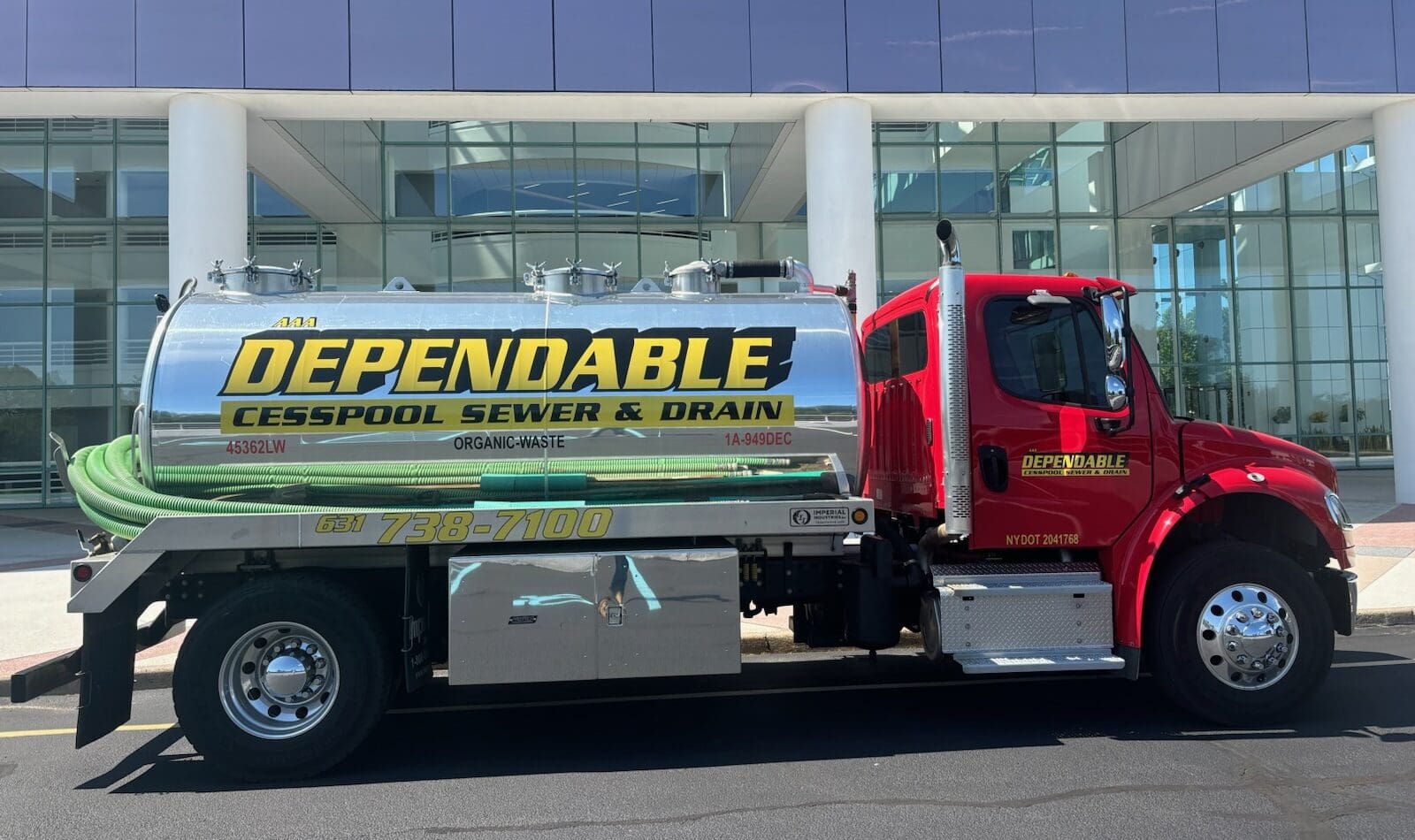
Once pumping starts, you’ll hear the truck’s vacuum system working. It’s loud, but that’s normal. We’re pulling waste through large-diameter hoses into the truck’s tank. We’re not just sucking out liquid. We’re removing the sludge layer at the bottom and the scum layer at the top. Both need to go for your system to work properly.
While we’re pumping, we’re also inspecting. We’re looking at the condition of your cesspool’s walls, checking for cracks or deterioration, and noting how much solid waste had accumulated. This information tells us whether you’re dealing with a maintenance issue or something more serious. If your pre-cast cesspool rings are cracked or your brick cesspool shows structural damage, we’ll tell you.
After pumping, we might flush your system with water. This isn’t always necessary, but it helps clear out remaining solids and gives us a better look at the cesspool’s condition. We’ll also check your overflow tanks or leaching pools to see if those need attention. A full primary pool often means the overflow system isn’t draining properly.
We’ll explain what we found. How full was the cesspool? What condition are the walls in? Did we notice any obvious problems with the inlet or outlet pipes? You’re paying for emergency service, which includes information about your system’s condition, not just waste removal.
Before we leave, ask about what’s next. If your cesspool was completely full, why? Is it just overdue for pumping, or is there a drainage problem? If soil saturation is the issue, pumping provides temporary relief but doesn’t fix the underlying problem. You need to know whether this is a one-time fix or if you’re looking at recurring issues.
Get documentation. A receipt should show what was done, how much waste was removed, and any observations about your system’s condition. In Suffolk County, cesspool service companies are required to report pumping activities to the Department of Health Services, so there’s a record regardless. But having your own documentation helps track your system’s maintenance history.
Your drains should work normally once the cesspool is pumped. If they don’t, or if they’re still slow, that’s a sign the problem isn’t just a full pool. Could be a clog in your main line between the house and cesspool. Could be the overflow system is failing. Could be root intrusion in your pipes. Emergency pumping handles the immediate crisis, but it doesn’t fix every problem.
Test your system carefully over the next few days. Run water gradually and watch how drains respond. If you notice slow drainage, gurgling, or any sewage odors, call back immediately. These symptoms suggest the pumping revealed a bigger issue that needs addressing. Don’t wait for another full backup to investigate.
Pay attention to how quickly the cesspool fills again. If you’re back to slow drains within weeks, you’ve got a drainage problem. Your leaching pool or overflow tanks aren’t percolating liquid into the soil like they should. This could be due to clogged side-wall drainage, soil saturation, or a failed leaching field. It’s not normal to need emergency pumping every month.
Schedule regular maintenance based on what you learned. If your cesspool was completely full and you haven’t had it pumped in five years, you’re overdue. Most Suffolk County cesspools need pumping every one to three years depending on household size and water usage. A family of four using a smaller cesspool might need annual service. A single person with a larger system might stretch it to three years.
Consider whether your system is nearing the end of its life. If your cesspool is 40+ years old, made of brick, and showing signs of deterioration, you’re on borrowed time. Emergency pumping keeps it limping along, but you’re likely looking at cesspool failure and replacement within a few years. Start planning now rather than facing a forced upgrade during the next emergency.
Keep emergency contact information handy. If you had a good experience with your emergency service crew, save that information. You want someone who responded quickly, charged fairly, and gave you straight answers. When the next emergency hits, and eventually it will if you have an aging cesspool, you’ll know who to call.
Main line backups don’t happen on a schedule. They happen when your system reaches its limit, which is usually at the worst possible moment. Knowing what to do in those first critical minutes makes the difference between a manageable emergency and extensive property damage.
Stop water use immediately. Call for emergency service from a company that responds fast and charges fairly. Protect your property while you wait. And once the crisis is handled, use what you learned to prevent the next one. Regular maintenance costs a fraction of emergency calls, and it keeps your system running when you need it most.
We’ve been handling emergency situations like this across Suffolk County since 1998. When you call us, you get someone who understands the urgency and shows up ready to solve the problem, not upsell you on services you don’t need.
Summary:
Article details:
Share: