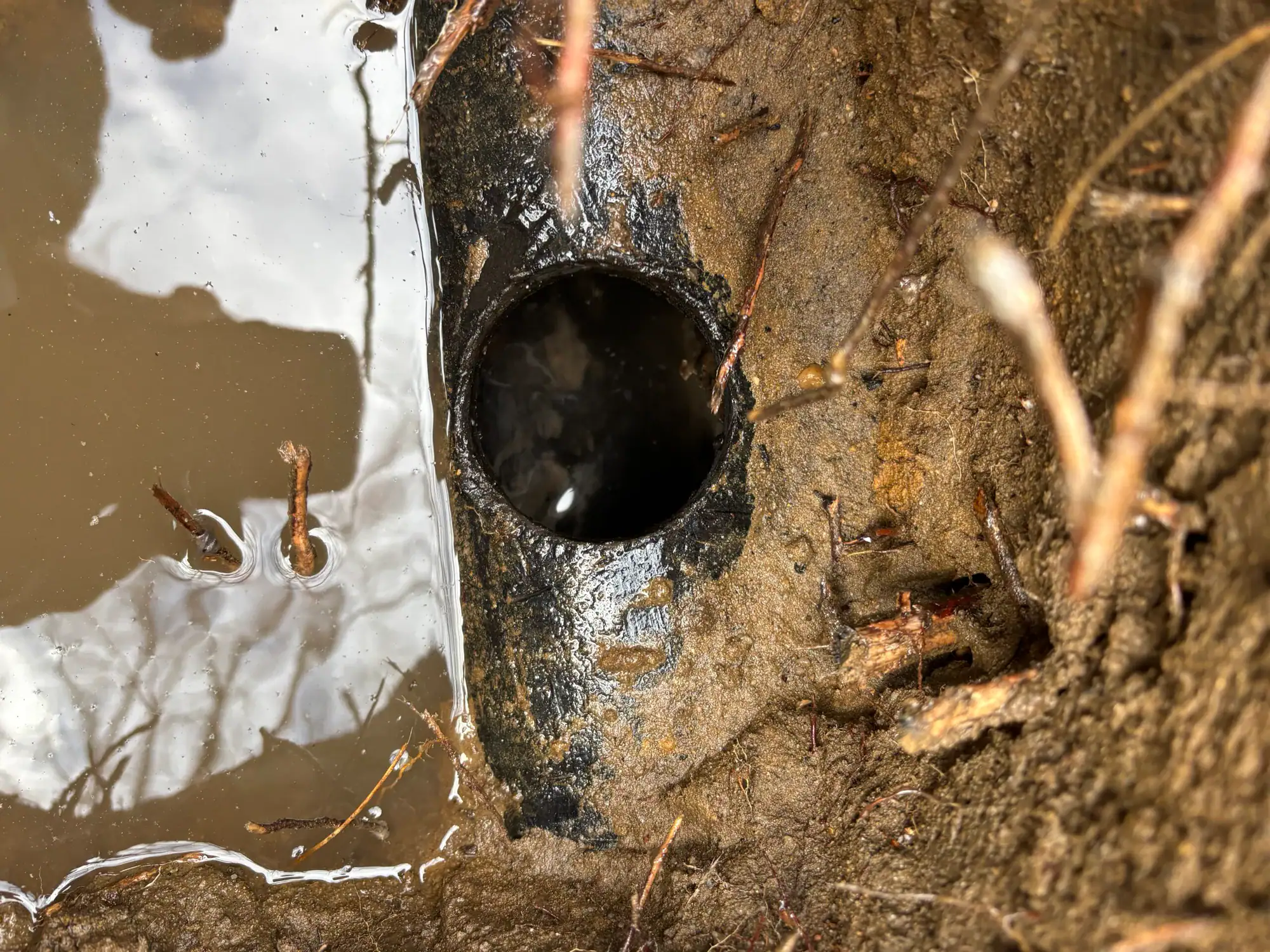
Think of septic pumping as insurance. A $300 service call today protects you from a $20,000 system replacement tomorrow—here's what Suffolk County homeowners need to know.
Septic pumping removes the accumulated sludge and scum layers that build up inside your tank over time. Every time you flush a toilet, run the washing machine, or take a shower, solid waste enters your septic tank. Anaerobic bacteria inside the tank break down some of this material, but not all of it.
The solids that don’t break down settle to the bottom as sludge. Lighter materials float to the top as scum. In between, there’s a layer of relatively clear liquid that flows out to your drain field. This is how your system is supposed to work—but only when those sludge and scum layers stay under control.
When the tank gets too full, there’s not enough space for proper separation. Solids start escaping into your drain field, clogging the pipes and soil. Once that happens, your drain field can’t absorb wastewater properly. You’ll see soggy patches in your yard, smell sewage, or worse—experience backups inside your home. At that point, you’re not looking at a simple pump-out anymore. You’re looking at drain field repair or total replacement, which is a significant undertaking in Suffolk County.

The standard recommendation is every three to five years, but that’s not a one-size-fits-all answer. Your actual pumping schedule depends on several factors: how many people live in your home, the size of your septic tank, and how much water you use daily.
A family of four with a 1,000-gallon tank typically needs pumping every two and a half to three years. If you have a larger tank or fewer people, you might stretch it to four or five years. But here’s the thing—waiting too long is where homeowners get into trouble.
Each person in your household produces roughly 60 gallons of solid waste per year after bacterial breakdown. That adds up faster than you’d think. If you have a garbage disposal, add another 50% to that number. The disposal sends food waste straight into your tank, which means more solids accumulating faster.
Suffolk County regulations require proper maintenance. Some townships have their own pumping ordinances, and you’ll receive notices when service is due. Even without a mandate, ignoring your system doesn’t make the problem go away—it just makes the eventual repairs more extensive.
A failing septic system doesn’t just inconvenience you—it can be a significant financial burden. Minor septic repairs start with simple fixes like a clogged pipe, but homeowners who neglect pumping often face much larger issues, such as baffle repairs, pump replacements, or cracked tanks.
The real danger is drain field failure. When solids clog your drain field, the repair requirements are extensive. If the damage is severe enough, you’re replacing the entire field. And if your tank itself has failed beyond repair, a full system replacement in Suffolk County is a massive project.
Now factor in the hidden impact. A failed septic system lowers your property value. Potential buyers will see it in inspections, and you’ll either need to fix it before selling or accept a significantly lower offer.
There’s also the health risk. When your septic system fails, untreated sewage can contaminate your well water. High levels of nitrates and coliform bacteria pose serious health risks, especially to children and elderly family members.
The math is simple. Regular maintenance is a fraction of the expense of a single drain field replacement. That’s not even accounting for the stress or the disruption to your daily life. Regular pumping isn’t an expense; it’s an investment that pays for itself many times over by preventing catastrophic failure.
Want live answers? Connect with a AAA Dependable Cesspool expert for fast, friendly support.Get A Free Quote Call: 631-738-7100
Want live answers?
Connect with a AAA Dependable Cesspool expert for fast, friendly support.
Your septic system will tell you when it’s in trouble—if you know what to look for. The problem is, most warning signs show up after damage has already started.

When you schedule septic pumping with a licensed professional, you’re getting more than just waste removal. You’re getting an inspection and peace of mind that your system is functioning properly.
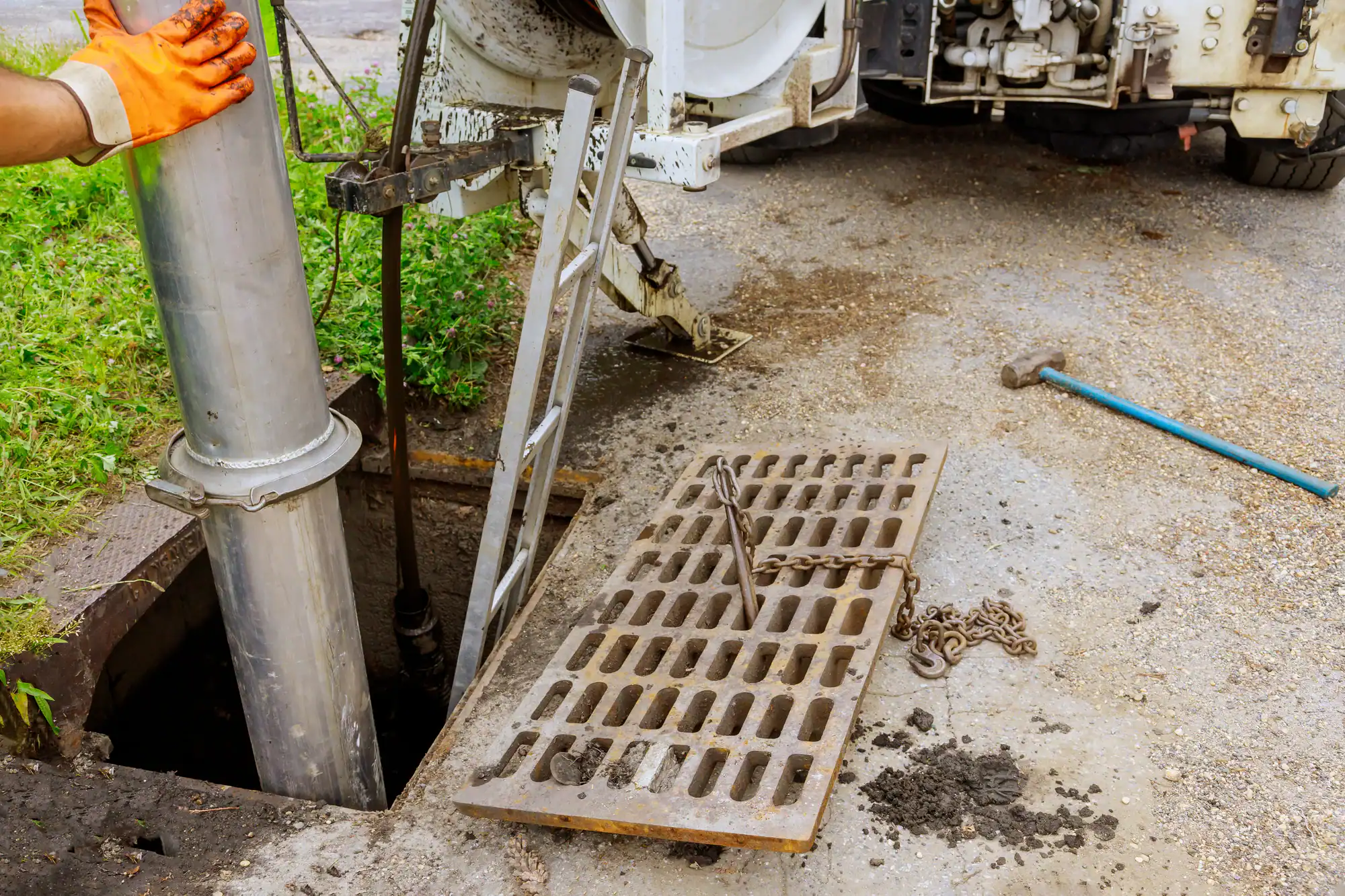
Once the tank is open, the technician will pump out all the contents: sludge, scum, and liquid. Removing everything allows for a thorough inspection. During the visit, they will check for cracks, leaks, or structural damage. They’ll examine the inlet and outlet pipes and ensure the baffles are intact. Baffles are critical—they prevent solids from entering your drain field. If a baffle is deteriorated, it needs to be addressed immediately.
If your system has an effluent filter, it gets cleaned during this visit. A clogged filter can cause backups just like a full tank. After pumping, the technician should provide a service report. This documents the tank’s condition and any recommendations for future maintenance.
Summary:
Article details:
Share: