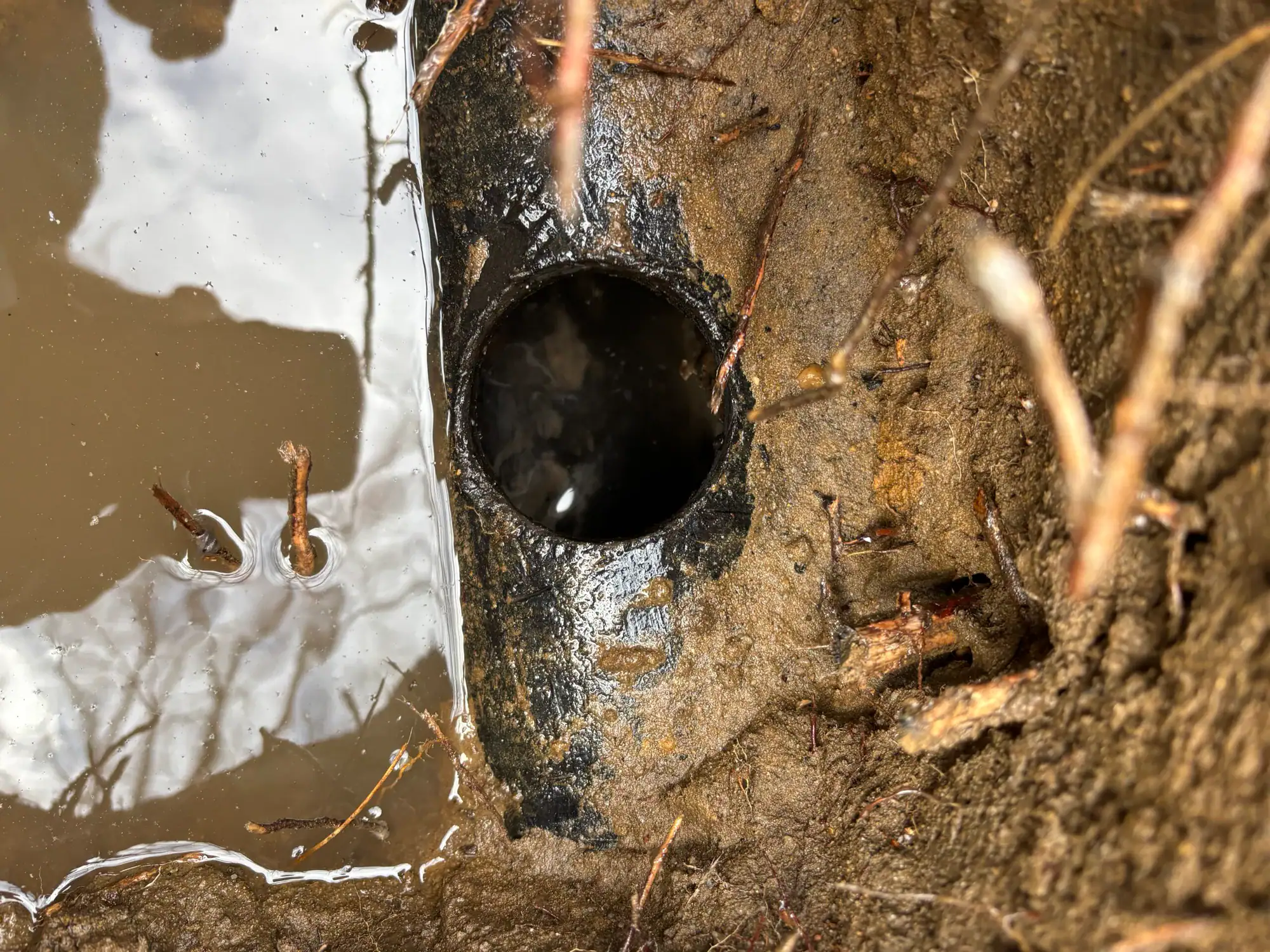
From routine pumping to emergency drain service, here's what Suffolk County homeowners actually need to know about keeping their cesspool system running.

About 90% of Suffolk County homes run on a cesspool or septic system — not a municipal sewer line. That’s a lot of homeowners responsible for infrastructure most people never learned anything about. If your drains are slow, you’re catching a smell you can’t explain, or you genuinely can’t remember the last time your system was serviced, you’re not alone. We’ve handled thousands of these situations across Suffolk County, and this guide covers what cesspool service actually involves, what the warning signs look like, how drain problems connect to the bigger picture, and what Suffolk County requires from you as a homeowner. No fluff — just the information you actually need.
Cesspool service isn’t a single thing — it’s a category. Pumping, cleaning, inspection, repair, and installation are all different services, and they’re not interchangeable. Pumping removes the accumulated waste from your tank to prevent overflow. Cleaning goes further, using high-pressure water jetting to clear biomat buildup from the walls and pipes that pumping alone won’t touch. A system can be pumped and still drain poorly if the underlying buildup hasn’t been addressed.
Most Suffolk County households need pumping every one to three years, depending on how many people live in the home. A family of four is typically looking at every one to two years. Two people might stretch to three. Beyond that, you’re pushing your luck — and the difference between preventive maintenance and an emergency replacement can be $15,000 or more.
When we arrive to empty your cesspit or cesspool, we’re not just hooking up a vacuum truck and leaving. A proper service visit includes a full assessment of the system — the tank structure, inlet and outlet pipes, and how the system is draining. That matters because many Suffolk County homes have cesspool systems that are 40, 50, even 60 years old. The post-war suburban boom built a lot of homes in communities like Lindenhurst, Babylon, and Ronkonkoma all at once, and those systems are aging in parallel.
During the visit, we check for cracks, deterioration, and early signs of structural failure. If something’s developing, you want to know about it before it becomes an emergency — not after sewage backs up into your home or surfaces in your yard. We’ll tell you exactly what we found, give you a realistic timeline for the next service, and document everything for your records.
That documentation piece matters more than most homeowners realize. Suffolk County requires septic systems to be inspected every three years, with reports submitted to the county. Missing that window can result in fines between $250 and $2,000. We handle the reporting — you shouldn’t have to manage that paperwork yourself.
One more thing worth knowing: as of July 2019, you can no longer replace a failed cesspool with another cesspool in Suffolk County. Any replacement must include at minimum a septic tank, and in many cases, more advanced nitrogen-reducing technology. The county has grant programs that can cover up to $30,000 of those upgrade costs for qualifying homeowners, with low-interest financing available for the rest. If your system is aging and you’re starting to think about what comes next, it’s worth asking about your options now rather than under pressure.
Most drain problems don’t announce themselves clearly. A slow drain in one bathroom could be a simple hair clog. It could also be a partially collapsed drain pipe, tree root intrusion in the main line, or a cesspool that’s reached capacity. The symptom looks the same from the inside — the cause can be very different.
Suffolk County’s mature suburban tree canopy is a real factor here. Roots follow moisture, and they’re very good at finding their way into drain pipes over time, especially in older neighborhoods. If you’re in a home surrounded by large trees — which describes most of Smithtown, Huntington, or Islip — and you’re dealing with recurring drain issues, a camera inspection of the main line is the most direct way to find out what’s actually happening inside the pipe.
The other thing to watch for is multiple slow drains at the same time. One slow drain is usually a localized clog. Two or three draining slowly simultaneously, especially combined with gurgling sounds or odors, often points to the main sewer line — and that’s not something a store-bought drain cleaner is going to fix. Chemical drain cleaners can also disrupt the bacterial balance your cesspool relies on for biological decomposition, so they’re generally not a great idea for homes on cesspool systems to begin with.
If you’re dealing with a drain that won’t respond to anything you’ve tried, the fastest path to an answer is a professional camera inspection. It takes the guesswork out of it completely — you can see exactly what’s in the pipe, where it is, and what it’s going to take to clear it.
Want live answers?
Connect with a AAA Dependable Cesspool expert for fast, friendly support.
Drain service covers a wider range of problems than most homeowners expect. Sink drains, shower drains, bathtub drains, main sewer lines, outdoor drains, and catch basins are all part of the same drainage system — and a problem in one area can put stress on the others. Understanding where your issue actually lives saves time and money.
For most everyday clogs — a sink drain backing up, a shower running slow — the fix is straightforward. Hair, soap scum, and mineral deposits are the usual culprits, and professional drain clearing resolves them quickly. The more serious situations involve the main line or the outdoor infrastructure, and those need a different approach.
Your main drain line is the single pipe that carries waste from every fixture in your home out to the cesspool or sewer connection. When it’s partially blocked, everything upstream drains slowly. When it’s fully blocked, nothing drains at all. Main line drain cleaning clears that pipe using professional-grade equipment — typically a high-pressure water jet or a heavy-duty drain snake — through the main drain cleanout access point.
The main drain cleanout is usually a capped pipe located in the basement, crawlspace, or just outside the foundation. It’s the access point that allows a technician to run equipment directly into the main line without having to go through a fixture. Most homeowners don’t know it exists until they need it.
Signs that the main line is the issue include multiple fixtures draining slowly at the same time, water backing up in unexpected places (like water appearing in the tub when you flush the toilet), or a persistent sewage odor inside the home. These aren’t symptoms you want to sit on. A blocked drain puts pressure on the entire system, including the cesspool.
Tree root intrusion is the most common cause of main drain cleaning needs in Suffolk County. Roots can enter through small cracks or joint gaps in older clay or cast iron pipes, and they grow quickly once they’re inside. Regular camera inspection — particularly for homes with large trees nearby — is the most reliable way to catch root growth before it causes a full blockage. Catching it early means clearing it with a jetter. Catching it late sometimes means replacing a section of pipe.
Finding your main drain cleanout can be tricky if you’ve never looked for it. It’s typically a 4-inch capped pipe, and it’s usually located in the basement near the foundation wall, in a crawlspace, or buried in the yard just outside the house. Some homes have multiple cleanouts — one inside and one outside. If you can’t locate it, we can find it for you during a service visit. Knowing where it is matters because it’s the fastest access point for main drain cleaning and camera inspections.
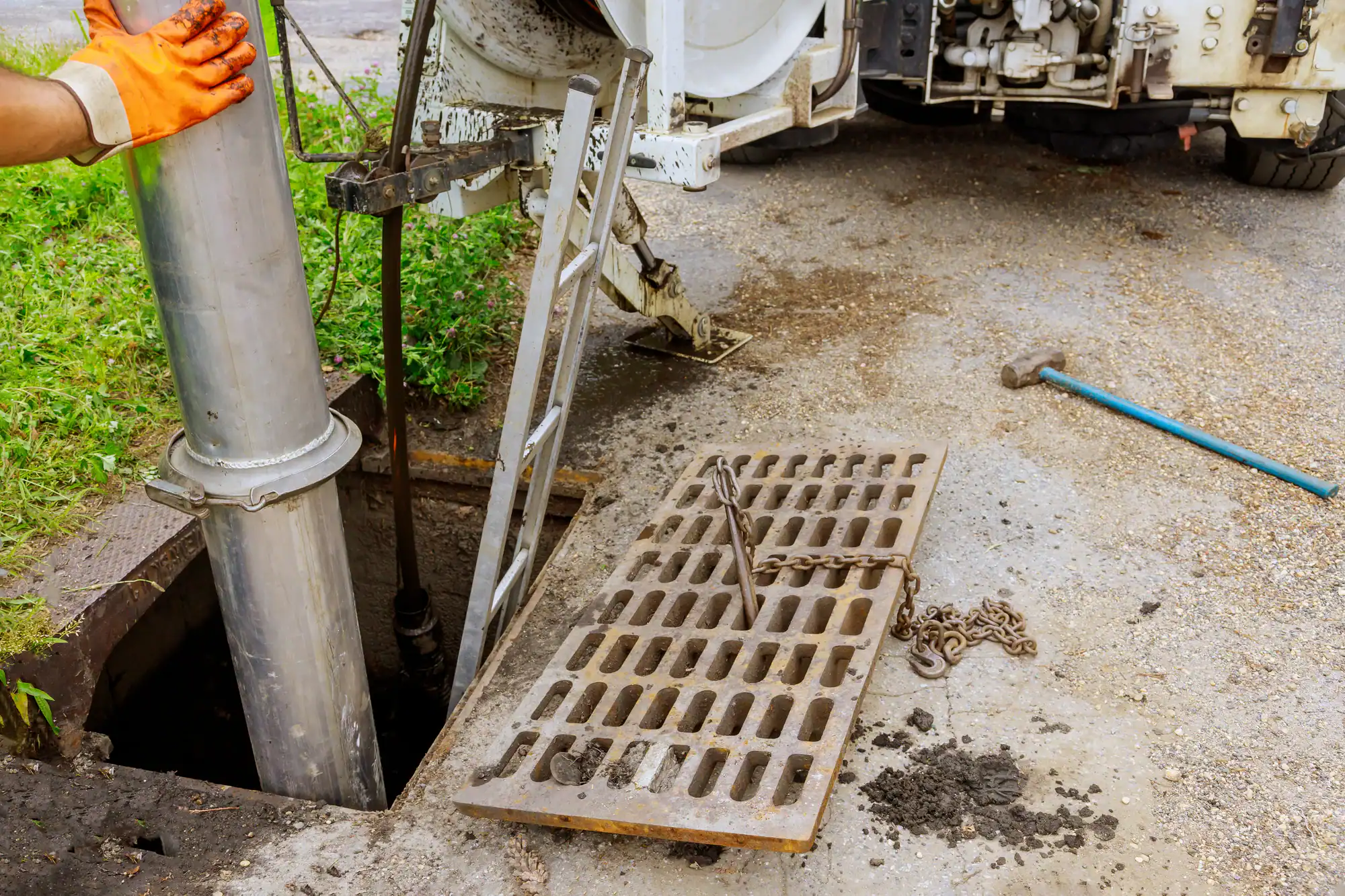
Outdoor drainage is one of the most overlooked parts of a home’s water management system. Catch basins — the grated inlets you see in driveways and yards — collect surface water and direct it away from the home and foundation. When they fill up with debris, sediment, and organic material, they stop functioning. Water backs up, pools near the foundation, and in some cases, saturates the soil around the cesspool area — which puts direct stress on the system’s ability to drain.
Outdoor drain cleaning and catch basin cleaning are straightforward services, but they make a real difference during heavy rain events. Suffolk County’s flat terrain and high water table in coastal areas mean surface drainage matters more here than in many other parts of the state. A clogged catch basin during a nor’easter isn’t just an inconvenience — it can cause flooding and property damage that a simple annual cleaning would have prevented.
Blocked drains outside can also be caused by root intrusion, collapsed pipe sections, or years of accumulated sediment that no amount of rain will flush out on its own. High-pressure water jetting is the most effective method for restoring full flow in outdoor drain lines — it clears the pipe completely rather than just punching a hole through the blockage.
If you’ve noticed standing water in your yard after rain, a driveway that floods before the street does, or a catch basin that’s visibly full of debris, it’s worth getting it looked at before the next major storm. These aren’t emergency situations yet — but they become one fast when a heavy rain hits a system that’s already compromised.
Summary:
Article details:
Share: