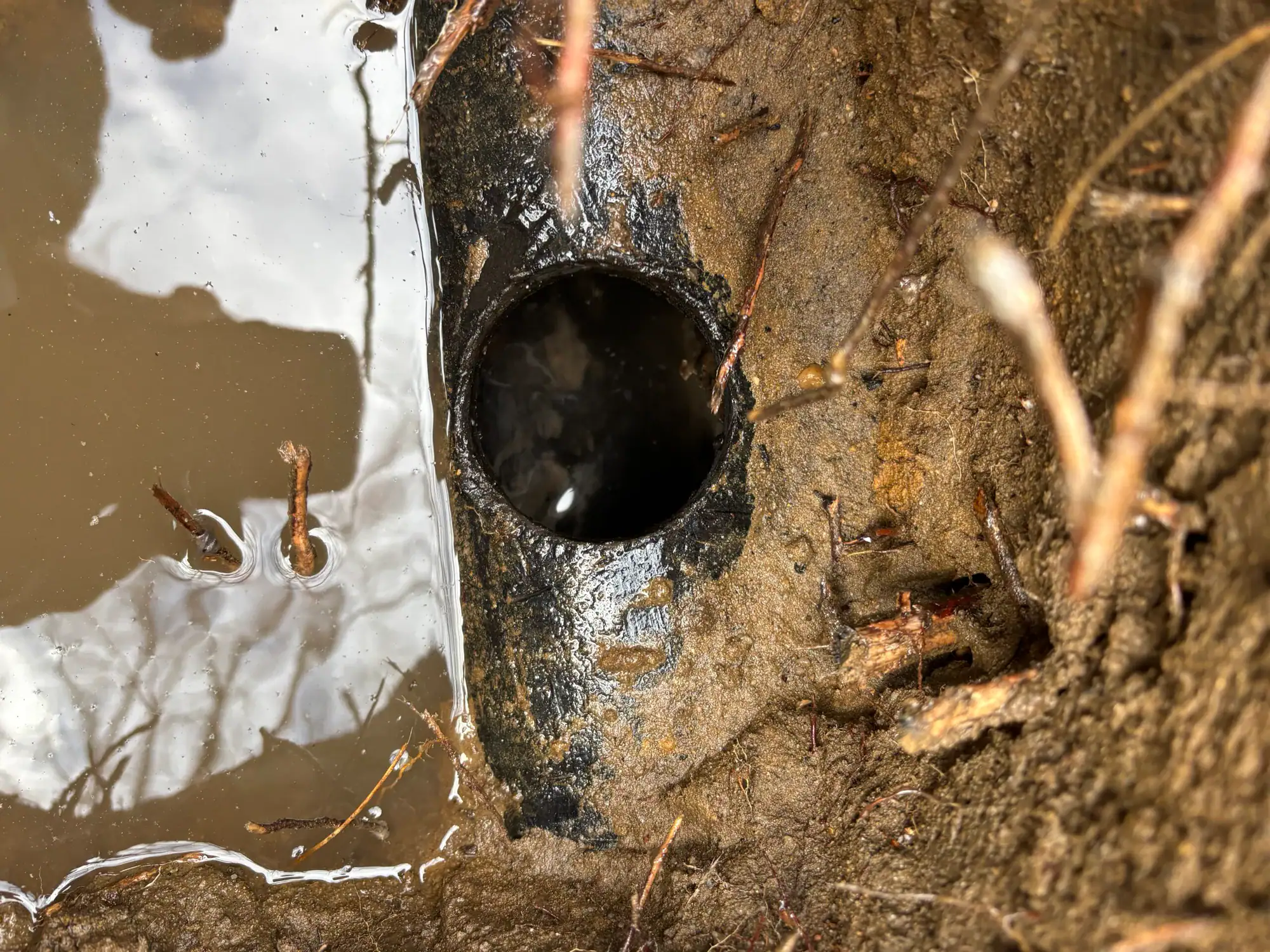
Lost your cesspool cover under years of grass and fill dirt? Learn how modern electronic locating technology pinpoints buried tanks in older Suffolk County homes—no digging required.
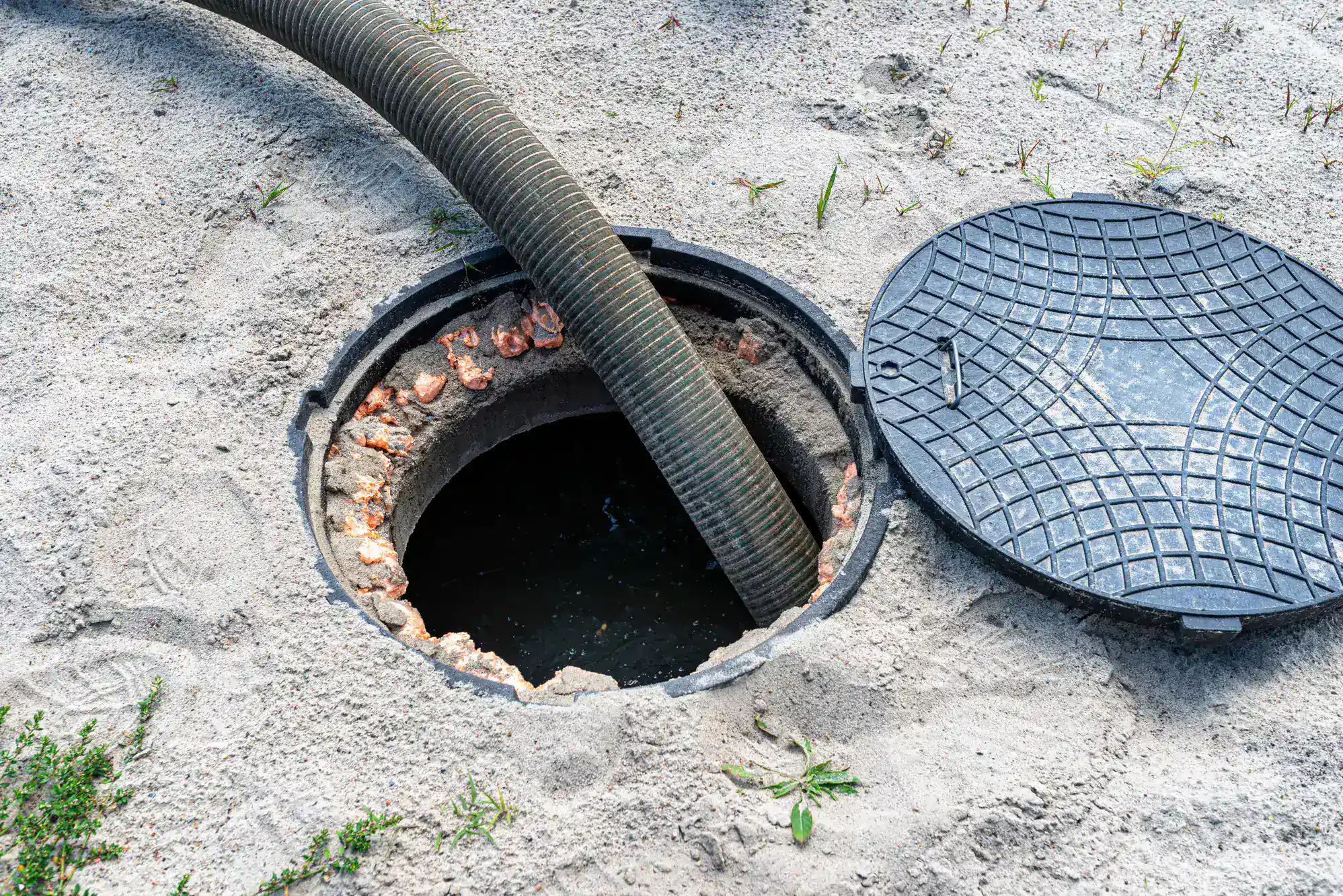
Suffolk County has a unique cesspool situation that most other areas don’t deal with. Roughly 75% of properties here rely on private cesspool or septic systems, many installed before 1970 when construction standards were different. Back then, contractors didn’t always think about future access.
Over the decades, homeowners added fill dirt, installed new landscaping, or simply let grass and vegetation grow over the covers. What was once visible became completely hidden. In some older Suffolk neighborhoods, cesspools are buried 8 to 10 feet below ground level—especially in homes with basements. The cover that should be easy to locate is now invisible, buried under layers of soil that accumulated over 40 or 50 years.
This isn’t anyone’s fault. It’s just what happens when a home ages and the property changes hands multiple times without proper documentation.

Electronic cesspool locating uses technology that would have seemed like science fiction when most Suffolk County cesspools were installed. The process is straightforward but remarkably effective.
We flush a small transmitter—about the size of a golf ball—down your toilet or into your plumbing system. This transmitter travels through your pipes and settles into your cesspool or septic tank. Once it’s in position, it sends out electromagnetic signals.
From above ground, we use a handheld receiver that picks up these signals. By walking your property with this detection equipment, we can follow the exact path your plumbing takes underground. The signal gets stronger as we get closer to the tank. Within minutes, we’ve pinpointed the exact location of your buried cesspool without disturbing a single blade of grass.
This technology works through soil, concrete, and even up to 15 feet of depth. It doesn’t matter if your cesspool is under your driveway, beneath landscaping, or hidden under years of fill dirt. The electromagnetic signals pass through all of it, giving you an accurate location every time.
The whole process typically takes 30 minutes to an hour, depending on your property size and how far the tank is from your house. You get a marked location that can be documented for future reference, so you’ll never lose track of it again.
Compare that to the old method: probing your yard with a metal rod every few feet, hoping to hit something solid. Or worse, hiring someone to dig exploratory holes across your property until they stumble onto the tank. Electronic locating eliminates all that guesswork, saving you time, money, and your landscaping.
Once you know where your cesspool is located, camera inspection takes the diagnosis even further. This technology answers the question that’s probably on your mind: “Now that we found it, what condition is it in?”
A waterproof camera attached to a flexible cable gets inserted through your existing plumbing access points. As it travels through your pipes toward the cesspool, it sends back real-time video footage. You can actually watch on a screen as the camera moves through your system, revealing everything inside.
This matters because older Suffolk County cesspools weren’t built to the same standards we have today. Many were constructed with concrete blocks or rings that have been underground for 50+ years. They crack. They deteriorate. Tree roots find their way in. Sections can collapse or separate without you knowing—until you have a major backup.
Camera inspection shows you all of this before it becomes an emergency. You’ll see if there are cracks in the tank walls. You’ll spot tree root intrusion that’s starting to cause problems. You’ll identify blockages, broken baffles, or sections where the cesspool structure is failing. All of this information comes from a camera feed, not from digging up your entire system.
The video documentation also gives you proof of your system’s condition. This becomes valuable if you’re buying or selling a home, dealing with insurance claims, or just want records of what’s actually happening underground. Many Suffolk County homeowners keep these inspection videos as part of their property maintenance files.
And here’s the best part: camera inspection is completely non-invasive. Your driveway stays intact. Your landscaping doesn’t get touched. Your flower beds remain undisturbed. The camera goes in through cleanouts or existing access points, does its job, and comes back out without leaving any trace it was ever there.
For older homes where you’re not sure what you’re dealing with underground, this technology eliminates the anxiety. You’re not gambling on expensive repairs based on someone’s best guess. You’re making decisions based on actual visual evidence of what’s happening inside your cesspool system.
Want live answers?
Connect with a AAA Dependable Cesspool expert for fast, friendly support.
When your cesspool backs up at 2 AM and sewage starts coming up through your drains, every minute counts. But if you don’t know where your cesspool is, you’re stuck. The service company arrives and has to spend time—sometimes hours—searching for a buried cover while your home floods with wastewater.
That search time gets billed to you. More importantly, every minute that passes means more damage to your home, more health hazards for your family, and more stress for everyone involved. What should be a quick emergency pump-out turns into an all-day excavation project because nobody knows where to dig.
Even for routine maintenance, not knowing your cesspool location creates problems. You can’t schedule regular pumping if you can’t access the tank. You end up putting it off, which leads to system failures that cost thousands to repair. The average sewage backup cleanup runs between $3,000 and $7,000, not including structural repairs or the cost of replacing a failed cesspool system.
Suffolk County homeowners in older homes face another issue: property value. When you go to sell, buyers want to know about your cesspool system. If you can’t even show them where it is, that raises red flags. Home inspectors flag unknown cesspool locations as potential problems, which can kill deals or force you to drop your asking price.

Suffolk County’s housing stock includes thousands of homes built in the 1950s, 60s, and 70s. These properties were constructed during a different era, when cesspool installation was less regulated and documentation was minimal. Contractors would dig a hole, drop in a concrete ring cesspool, connect the pipes, and move on. No detailed site plans. No permanent markers. Just a buried tank that would “be fine.”
Fifty years later, those installations present unique challenges. The original homeowners who knew exactly where everything was located have long since moved on. Property records from that era often don’t include detailed cesspool locations. Even when they do, the measurements might reference landmarks that no longer exist—a tree that was cut down, a fence line that moved, or a driveway that was repaved in a different location.
Long Island’s soil conditions add another layer of complexity. Suffolk County has sandy soil in many areas, which shifts and settles over time. What was once 3 feet below grade might now be 5 or 6 feet down after decades of natural settling and additional fill dirt. Nassau County’s clay soil behaves completely differently, creating drainage patterns that affect how cesspools function and where water accumulates on the surface.
North Shore homes often have different cesspool configurations than South Shore properties. Levittown houses have typical layouts from their mass-production era. Huntington properties might have custom installations. Each decade of construction brought different standards, different materials, and different installation practices.
This means that finding a buried cesspool in Suffolk County isn’t just about having the right equipment. It’s about understanding local construction history, knowing how homes in different neighborhoods were built, and recognizing the patterns that help locate systems faster. We’ve worked in this area for years and can often make educated guesses about where to start looking based on the home’s age, location, and architectural style. But even with that experience, electronic locating technology provides the accuracy that guesswork can’t match.
You’ve probably seen the online advice about finding your own cesspool. Follow the sewer pipe from your basement. Look for depressions or unusually green patches in your lawn. Probe the ground with a metal rod. Check your property records at the county office.
All of that advice is technically correct. And none of it works reliably for older Suffolk County homes.
Following the sewer pipe sounds simple until you realize that pipe might run 50 feet underground before reaching the cesspool. You can’t see it. You can’t trace it without digging. And if your home has been renovated, the current plumbing configuration might not match the original installation.
Looking for green patches or depressions in your lawn works when cesspools are close to the surface and actively leaking. But a properly functioning cesspool that’s buried 6 feet down won’t create any visible surface signs. You could walk over it every day and never know it’s there.
Probing with a metal rod is the method contractors used decades ago, and it’s still common advice. The problem? You need to probe every few feet in a grid pattern across a large area. Miss the tank by two feet and you’ll never hit it. Hit the tank but mistake it for a large rock or other buried object. Accidentally puncture a pipe or damage the tank cover. It’s slow, labor-intensive, and easy to get wrong.
Property records help when they exist and when they’re accurate. Many older Suffolk County homes don’t have detailed site plans on file. Even when records exist, they might show approximate locations based on measurements that are difficult to replicate today. “Twenty feet from the northwest corner of the house” doesn’t help much when you don’t know if they measured from the foundation, the siding, or the roof overhang.
The DIY approach usually ends one of two ways. Either you spend hours or days searching without success, eventually calling a professional anyway. Or you start digging based on your best guess, damage your landscaping, and still don’t find the tank. At that point, you’re paying for both the excavation repair and the professional locating service you should have called in the first place.
Electronic locating costs a few hundred dollars and takes less than an hour. Compare that to days of your time, potential property damage, and the frustration of still not having answers. The math isn’t even close.
Your cesspool is somewhere under your property. That’s certain. But “somewhere” isn’t good enough when you need access for maintenance, repairs, or emergency service. Electronic locating and camera inspection technology give you the exact location without the guesswork, the digging, or the damage to your yard.
For older Suffolk County homes where cesspools have been buried under decades of landscaping and fill dirt, this technology is the difference between a quick solution and a multi-day excavation project. You get accurate results that can be documented and marked for future reference. Your lawn stays intact. Your driveway doesn’t get torn up. And you finally know exactly where your cesspool is located.
If you’re dealing with a buried cesspool that you can’t locate, or if you want to document your system’s location before you need emergency access, we can help. We’ve been serving Suffolk County since 1998 with electronic locating and camera inspection services designed specifically for older Long Island homes. You get honest answers, transparent pricing, and technology that actually works—without the mess.
Summary:
Article details:
Share: